Lactobacillus acidophilus चित्र
6 सहकर्मी-समीक्षित शोध से आंकड़े
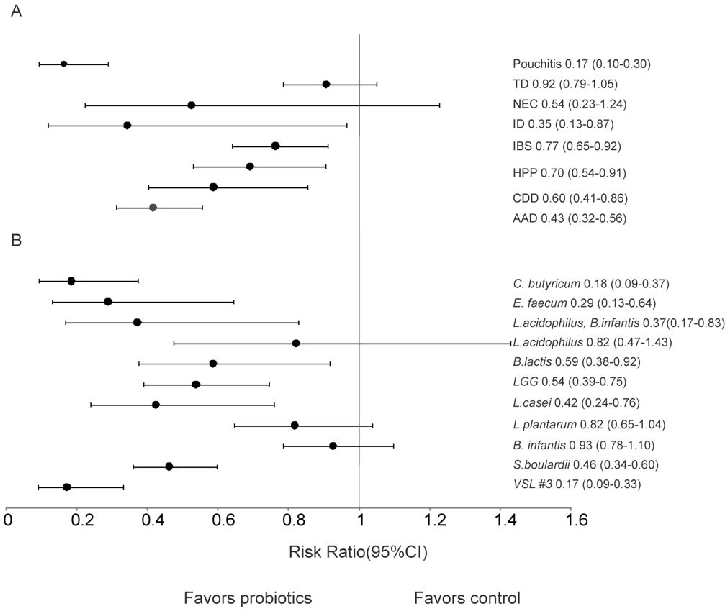
Funnel plot assessment for publication bias in the probiotic meta-analysis indicates generally symmetric distribution of effect sizes around the pooled estimate.
A meta-analysis of probiotic efficacy for gastrointestinal diseases.
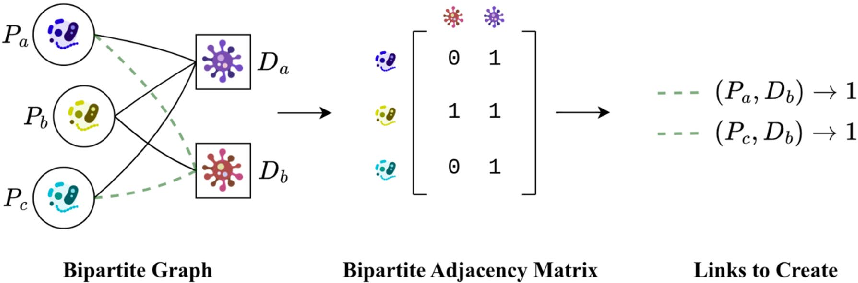
Experimental results examining computational prediction of new therapeutic effects of probiotics, with data points illustrating key findings related to probiotics are living microorganisms that provide health benefits to their hosts, potentially aiding in the treatment.
Computational prediction of new therapeutic effects of probiotics.
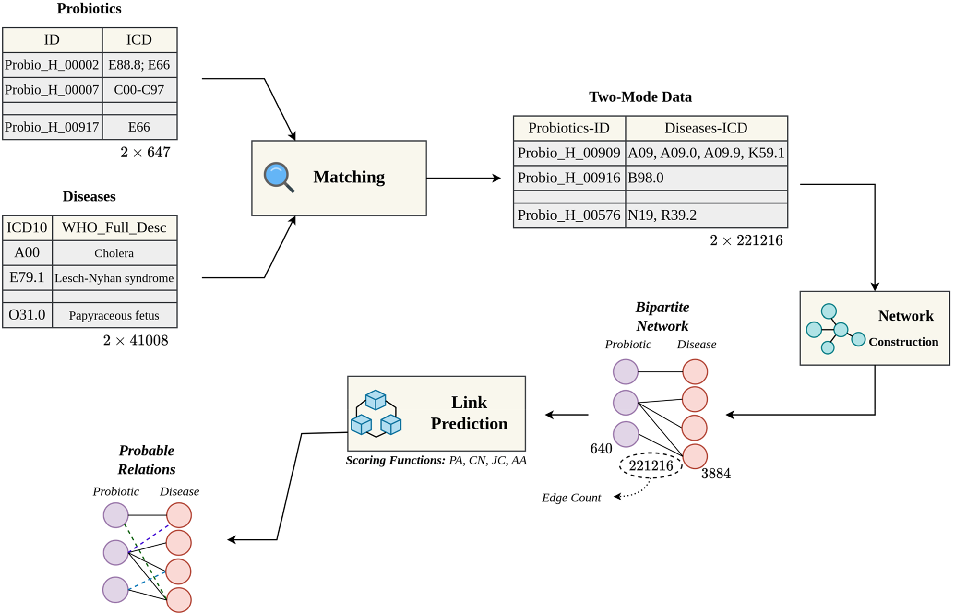
Statistical analysis from research investigating computational prediction of new therapeutic effects of probiotics, comparing treatment groups and control conditions.
Computational prediction of new therapeutic effects of probiotics.
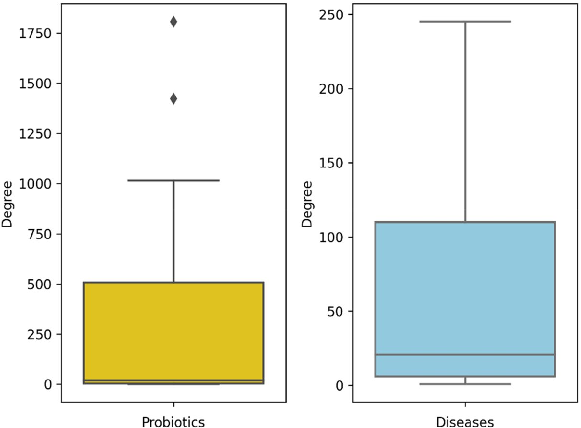
Measured parameters from a study evaluating computational prediction of new therapeutic effects of probiotics, contributing to the overall assessment of probiotics are living microorganisms that provide health benefits to their hosts, potentially aiding in the treatment.
Computational prediction of new therapeutic effects of probiotics.
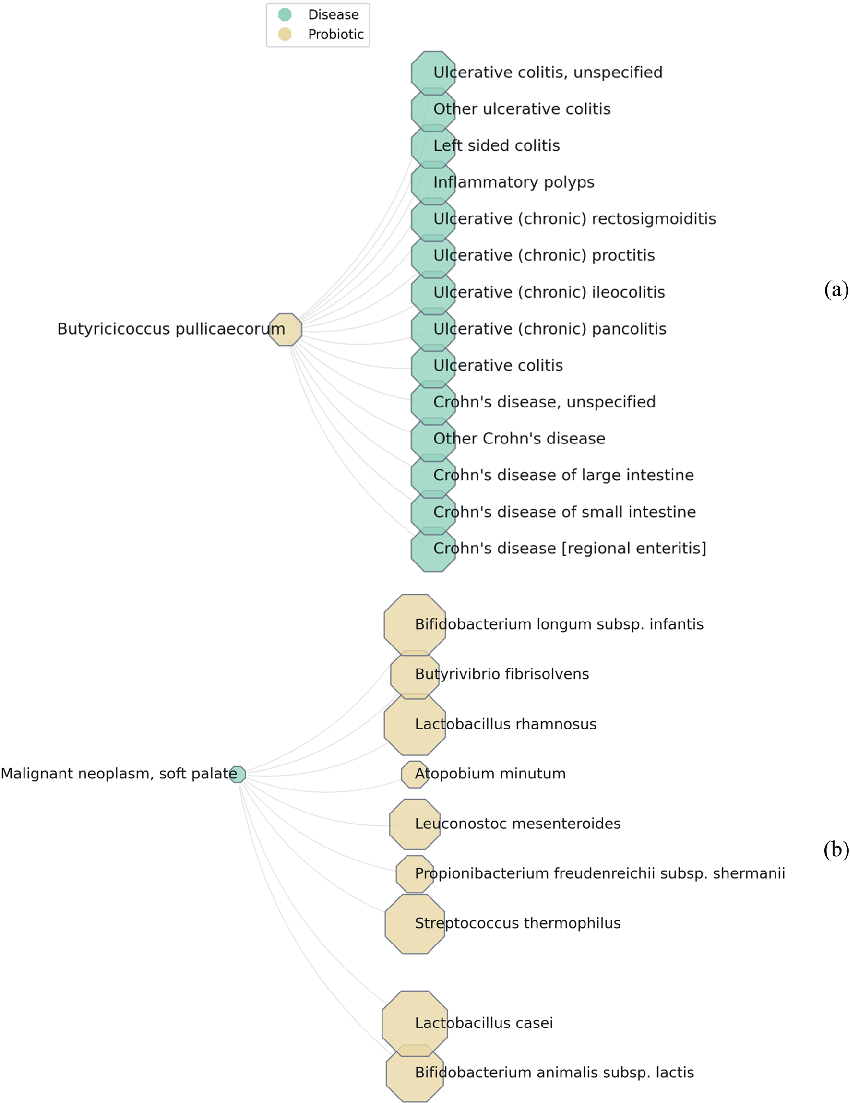
Graphical representation of outcomes in a study of computational prediction of new therapeutic effects of probiotics, highlighting trends observed across experimental conditions.
Computational prediction of new therapeutic effects of probiotics.
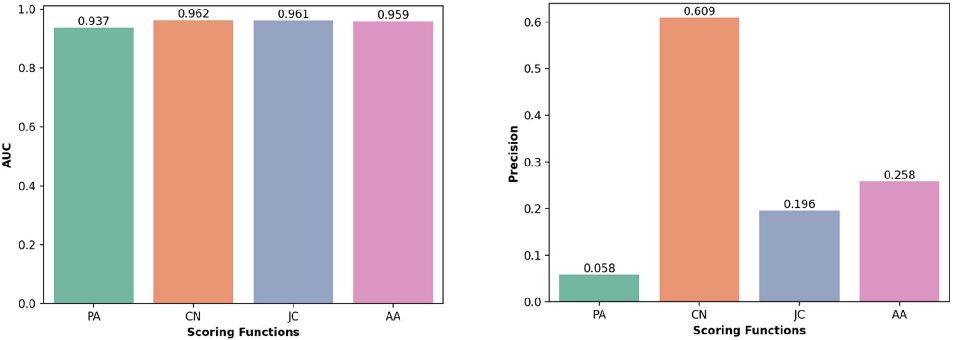
Quantitative data from a study on computational prediction of new therapeutic effects of probiotics, presenting measured outcomes relevant to the investigation of probiotics are living microorganisms that provide health benefits to their hosts, potentially aiding in the treatment.
Computational prediction of new therapeutic effects of probiotics.