N-Acetyl Cysteine (NAC) 图表
13 来自同行评审研究的图表
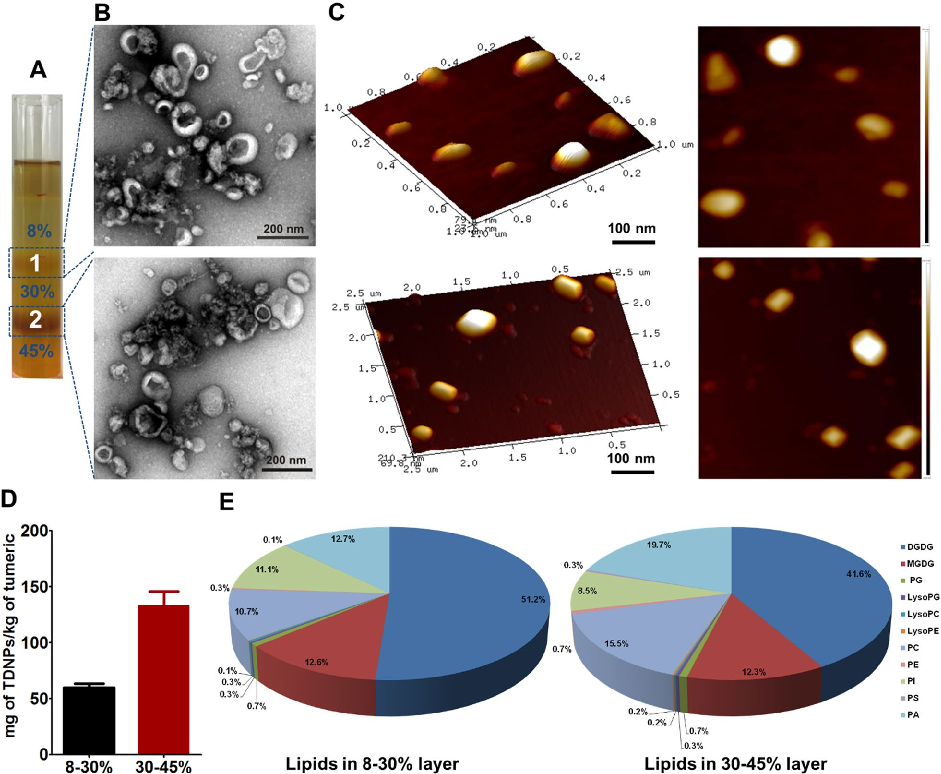
Characterization of turmeric-derived nanoparticles reveals two distinct bands (TDNPs 1 and TDNPs 2) at the 8%/30% and 30%/45% sucrose gradient interfaces, respectively. TDNPs 2 demonstrate appropriate size distribution and surface charge for oral drug delivery applications.
Oral administration of turmeric-derived exosome-like nanovesicles with anti-inflammatory and pro-resolving bioactions for …
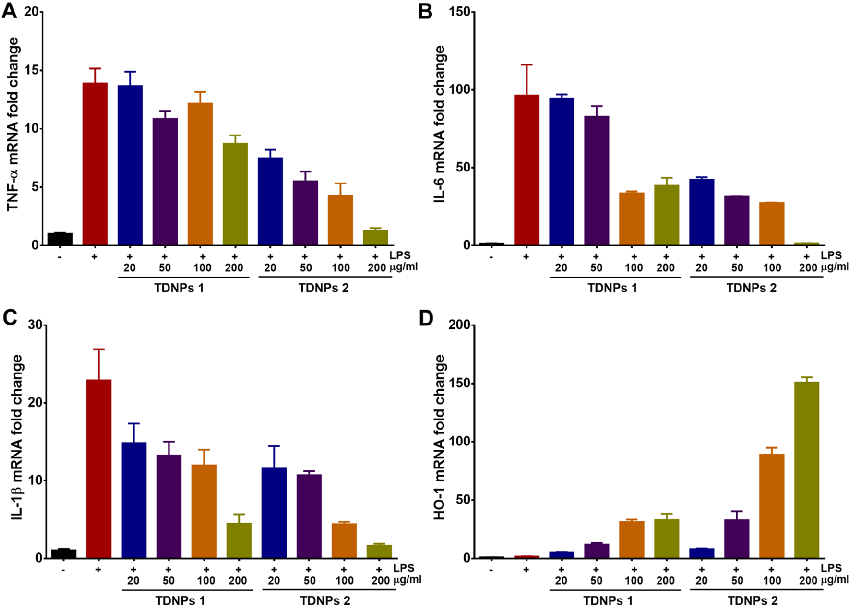
In vitro assessment of turmeric-derived nanovesicles demonstrates anti-inflammatory activity, including suppression of pro-inflammatory cytokine production in activated macrophages. Dose-dependent reductions in TNF-alpha and IL-6 secretion are observed.
Oral administration of turmeric-derived exosome-like nanovesicles with anti-inflammatory and pro-resolving bioactions for …
Oral TDNPs 2 administration significantly attenuates disease activity index scores and colon shortening in DSS-induced colitis mice. Body weight recovery is also improved compared to untreated colitis controls.
Oral administration of turmeric-derived exosome-like nanovesicles with anti-inflammatory and pro-resolving bioactions for …
Intestinal permeability assessment indicates that TDNPs 2 treatment preserves gut barrier integrity in colitis mice. Tight junction protein expression, including ZO-1 and occludin, is maintained at near-normal levels.
Oral administration of turmeric-derived exosome-like nanovesicles with anti-inflammatory and pro-resolving bioactions for …
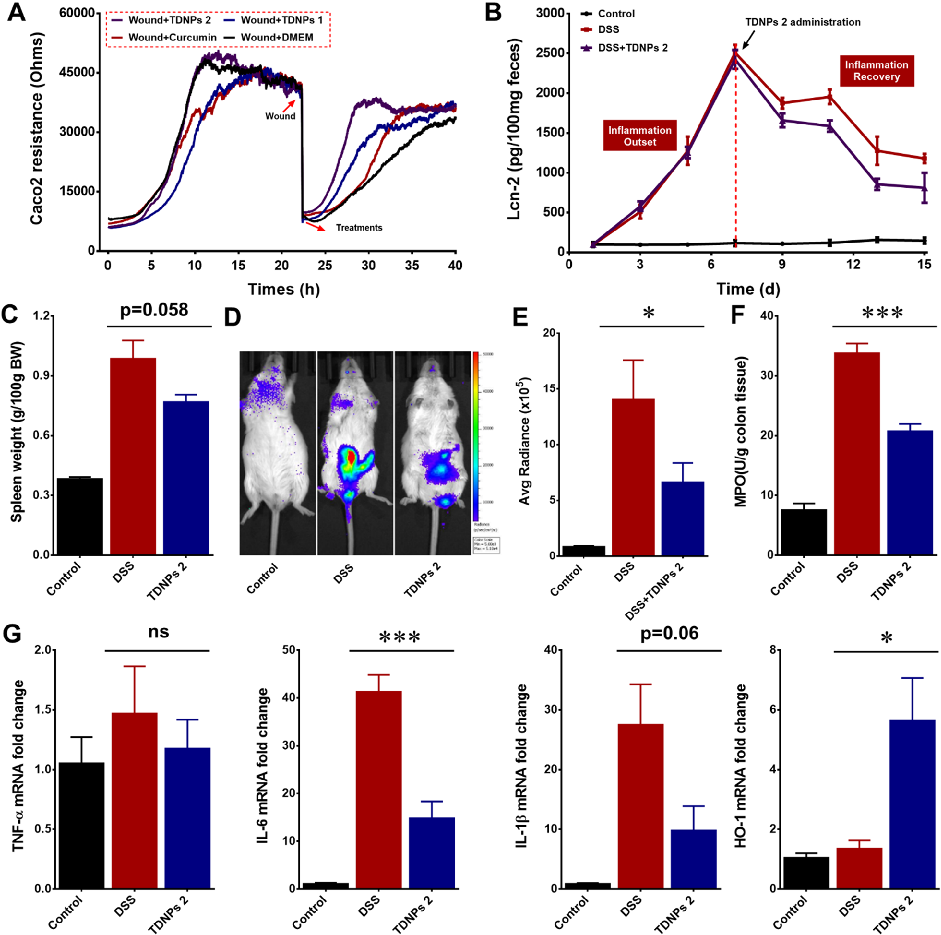
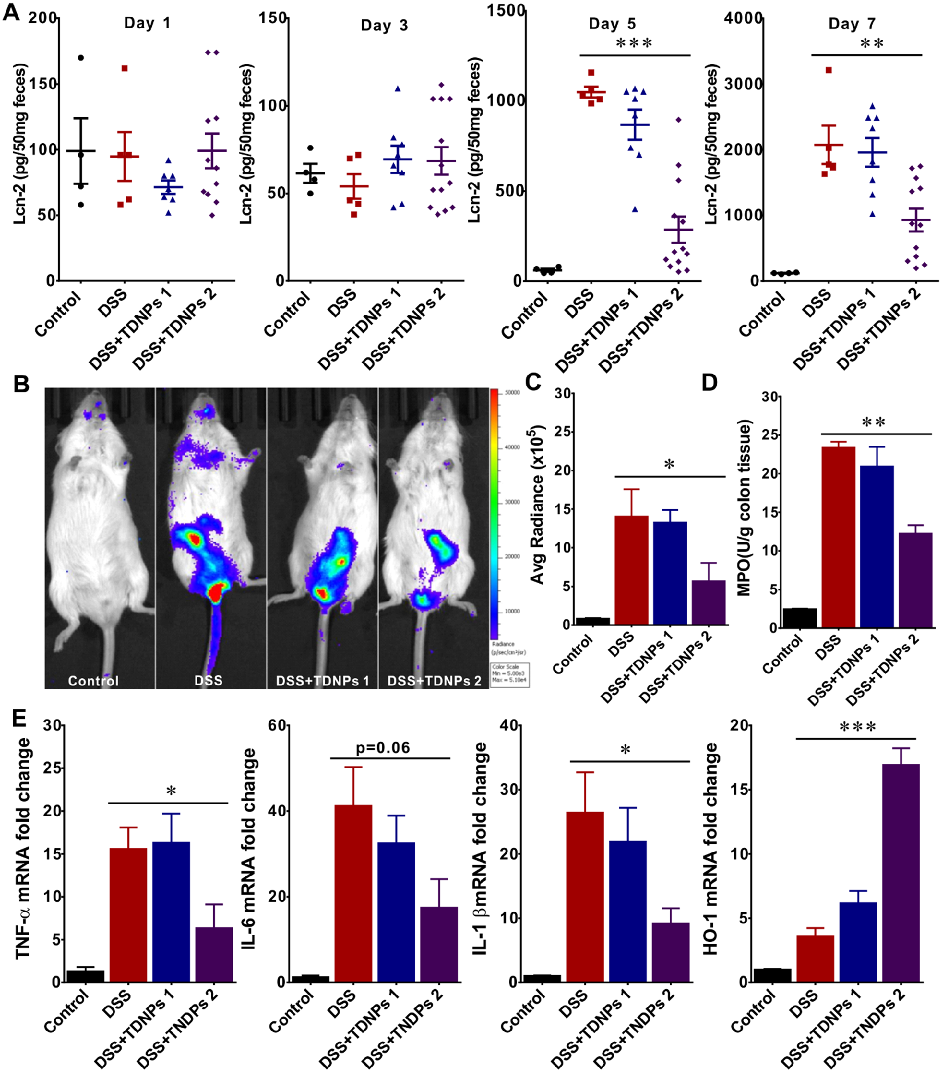
Wound healing assays and fecal lipocalin-2 quantification demonstrate that TDNPs 2 accelerate resolution of intestinal inflammation. Lcn-2 levels, a sensitive marker of intestinal inflammation, decrease significantly with treatment.
Oral administration of turmeric-derived exosome-like nanovesicles with anti-inflammatory and pro-resolving bioactions for …
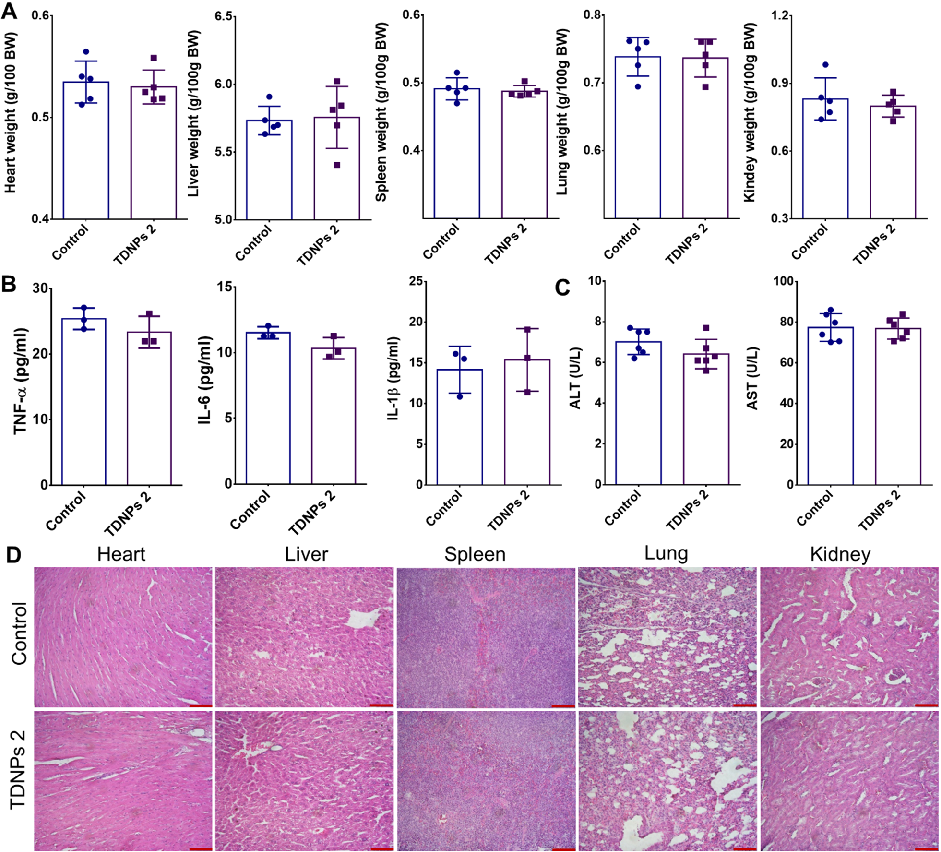
Biocompatibility evaluation shows no significant changes in vital organ weights, pro-inflammatory cytokines, or liver function indicators in TDNPs 2-treated mice. H&E staining of major organs confirms absence of toxicity.
Oral administration of turmeric-derived exosome-like nanovesicles with anti-inflammatory and pro-resolving bioactions for …
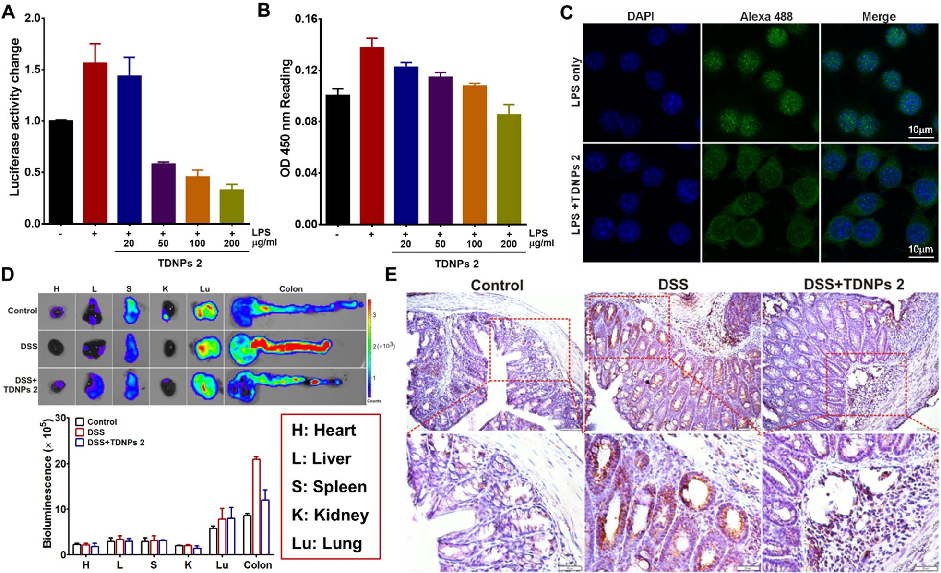
TDNPs 2 exert their protective effect at least partly through inactivation of the NF-kB signaling pathway. Reduced phospho-NF-kB p65 expression and decreased nuclear translocation indicate suppression of this key inflammatory cascade.
Oral administration of turmeric-derived exosome-like nanovesicles with anti-inflammatory and pro-resolving bioactions for …
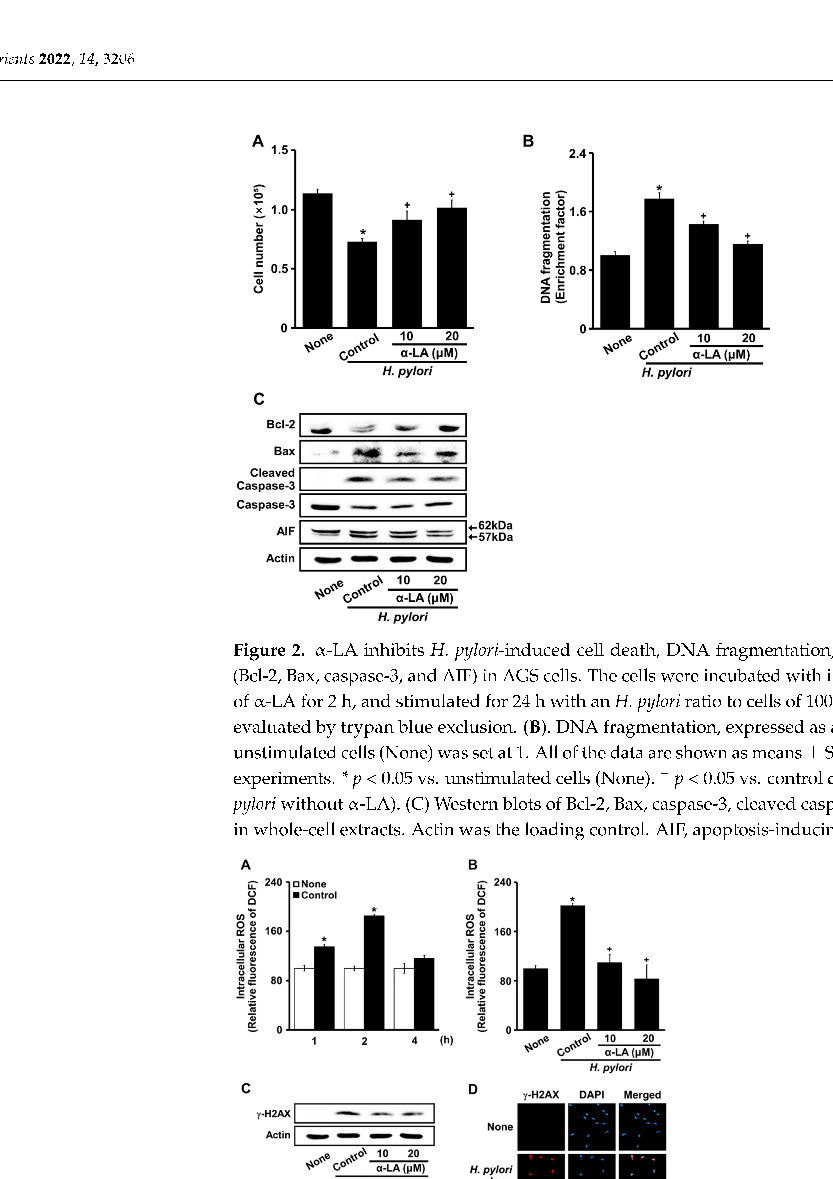
Quantification of DNA double-strand break repair efficiency in H. pylori-infected gastric cells, indicating that alpha-lipoic acid supports the Ku-dependent non-homologous end joining pathway.
α-Lipoic Acid Inhibits Apoptosis by Suppressing the Loss of Ku Proteins in …
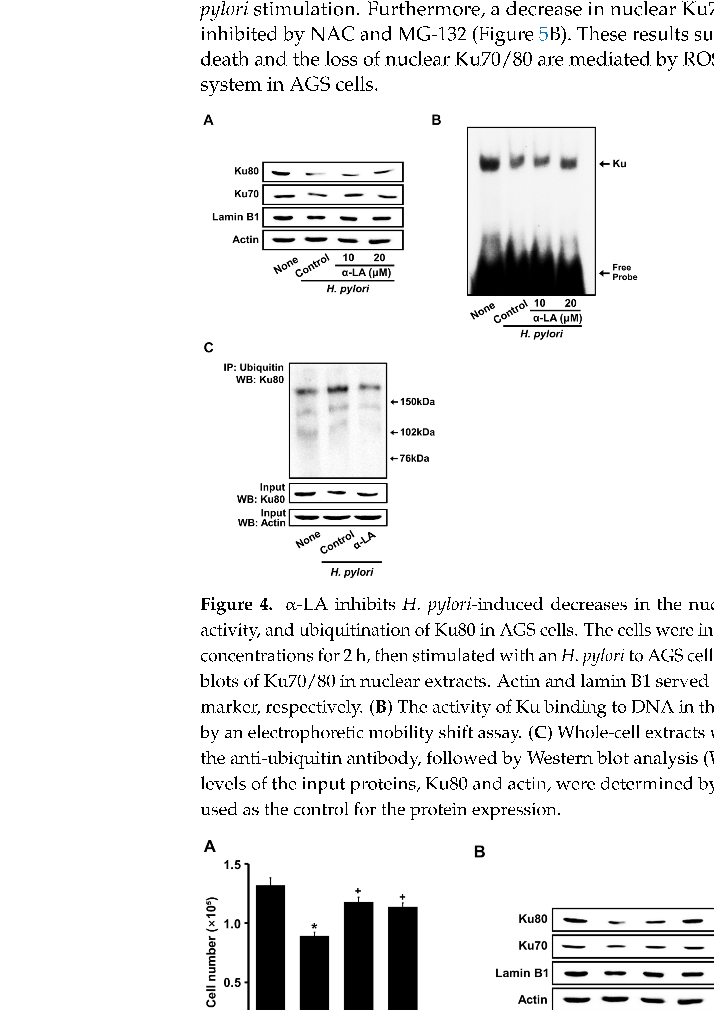
Cell viability analysis across different alpha-lipoic acid concentrations in H. pylori-infected gastric epithelial cells, establishing the effective dose range for cytoprotection.
α-Lipoic Acid Inhibits Apoptosis by Suppressing the Loss of Ku Proteins in …
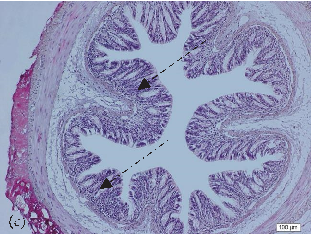
Oxidative stress biomarkers measured in colon, liver, and kidney tissues, comparing malondialdehyde (MDA) and glutathione (GSH) levels across treatment groups.
Extraintestinal Manifestations in Induced Colitis: Controversial Effects of N-Acetylcysteine on Colon, Liver, …
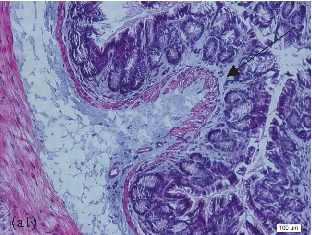
Inflammatory cytokine levels (such as TNF-alpha, IL-6, or IL-1beta) in colonic and extraintestinal tissues, assessing whether NAC modulates systemic inflammation originating from the gut.
Extraintestinal Manifestations in Induced Colitis: Controversial Effects of N-Acetylcysteine on Colon, Liver, …
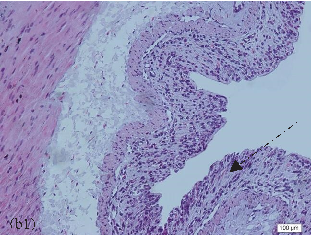
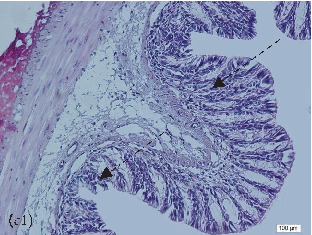
Colon length measurements and macroscopic damage scoring in the colitis model, providing gross anatomical evidence of disease severity and NAC treatment response.
Extraintestinal Manifestations in Induced Colitis: Controversial Effects of N-Acetylcysteine on Colon, Liver, …
Summary of controversial findings regarding NAC's differential effects across organs, with protective trends observed in some tissues but potential adverse signals in others.
Extraintestinal Manifestations in Induced Colitis: Controversial Effects of N-Acetylcysteine on Colon, Liver, …