페퍼민트 오일 그림
13 동료 심사 연구의 그림
The Canadian Association of Gastroenterology clinical practice guideline provides an evidence-based framework for managing irritable bowel syndrome, covering diagnosis, dietary modifications, pharmacological treatments, and psychological interventions.
Canadian Association of Gastroenterology Clinical Practice Guideline for the Management of Irritable …
Diagnostic criteria for IBS rely on symptom-based assessment using Rome IV criteria, with limited use of diagnostic tests. Serological screening for celiac disease is recommended as part of the initial evaluation.
Canadian Association of Gastroenterology Clinical Practice Guideline for the Management of Irritable …
Evidence evaluation for probiotic therapies in IBS suggests overall benefit, particularly with combination probiotic preparations. Strain-specific recommendations remain difficult due to heterogeneity in study designs and products evaluated.
Canadian Association of Gastroenterology Clinical Practice Guideline for the Management of Irritable …
Dietary interventions for IBS include the low-FODMAP diet, which has demonstrated efficacy in reducing bloating, abdominal pain, and altered bowel habits. A dietitian-guided three-phase approach (restriction, reintroduction, personalization) is recommended.
Canadian Association of Gastroenterology Clinical Practice Guideline for the Management of Irritable …

Polyethylene glycol 3350 is evaluated for IBS with constipation based on two RCTs totaling 181 patients. Evidence supports its use for improving stool consistency, though effects on abdominal pain are less consistent.
Canadian Association of Gastroenterology Clinical Practice Guideline for the Management of Irritable …
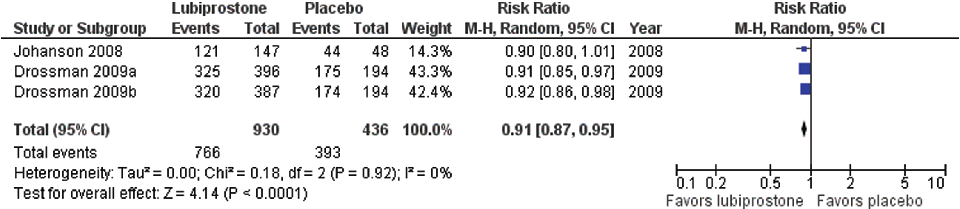
Antispasmodic agents including peppermint oil, pinaverium, and trimebutine receive conditional recommendations for IBS symptom management. Evidence quality varies across specific agents.
Canadian Association of Gastroenterology Clinical Practice Guideline for the Management of Irritable …
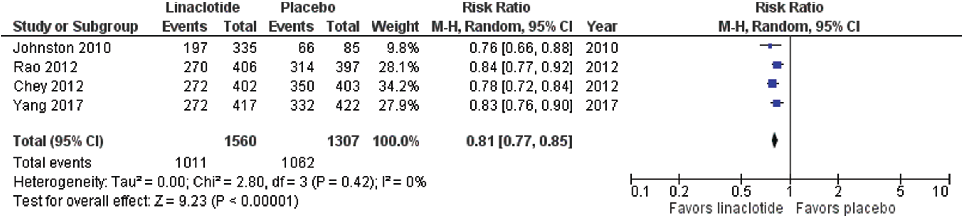
An algorithmic approach to IBS management stratifies treatment by predominant bowel habit (IBS-C, IBS-D, IBS-M) and symptom severity. First-line interventions include dietary modification and fiber supplementation.
Canadian Association of Gastroenterology Clinical Practice Guideline for the Management of Irritable …
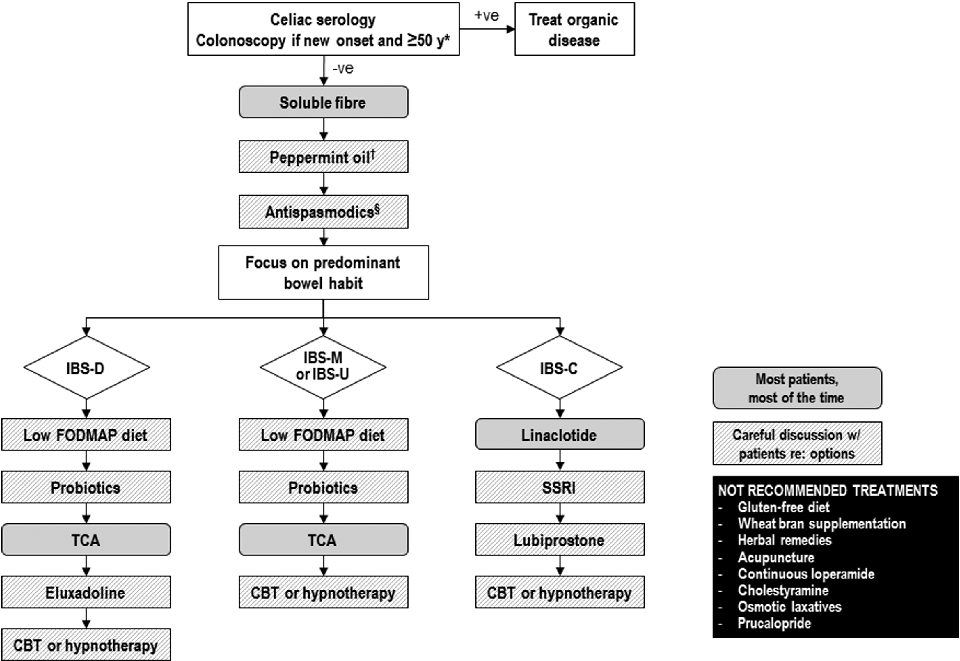
Summary recommendations across all therapeutic categories for IBS are presented with corresponding evidence quality ratings and strength of recommendation. The guideline emphasizes shared decision-making with patients.
Canadian Association of Gastroenterology Clinical Practice Guideline for the Management of Irritable …
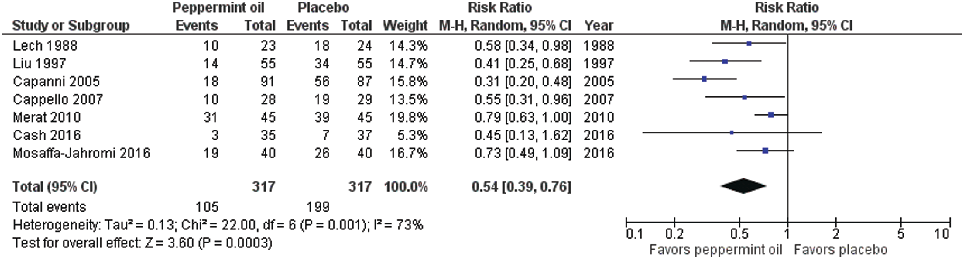
Subgroup analyses by peppermint oil formulation (enteric-coated versus non-enteric-coated) reveal that enteric coating may enhance efficacy by delivering the active compound directly to the lower gastrointestinal tract.
The impact of peppermint oil on the irritable bowel syndrome: a meta-analysis …
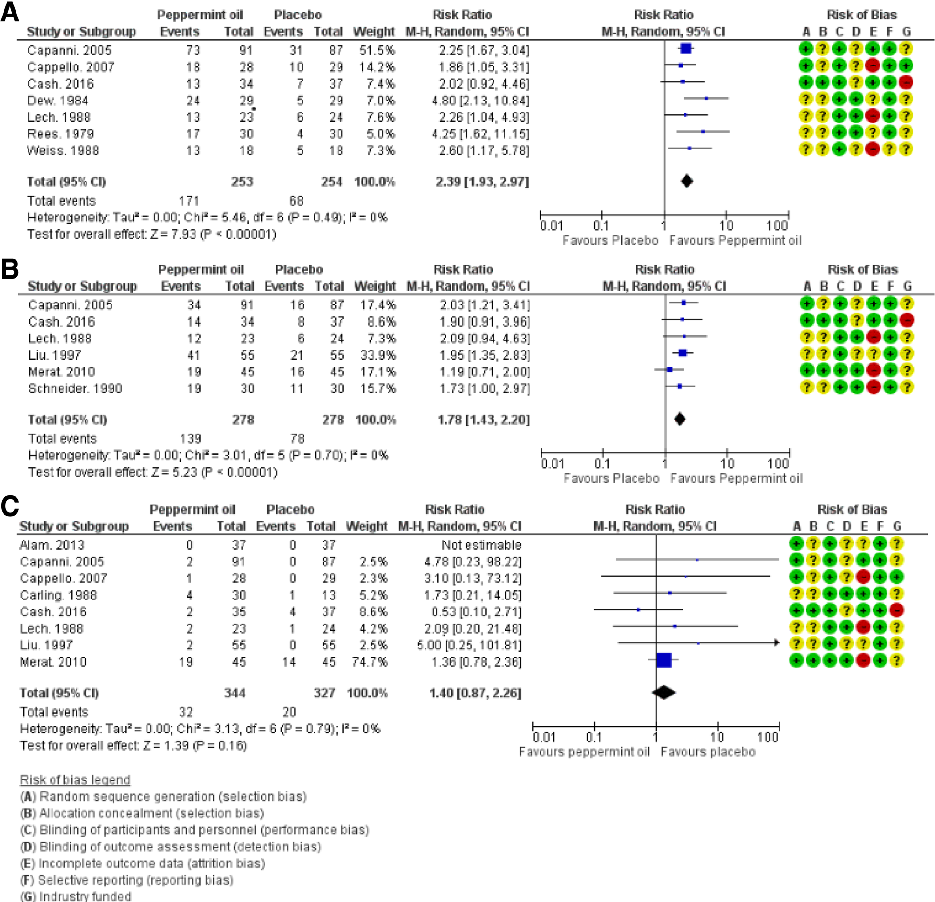
Sensitivity analyses excluding high-risk-of-bias studies confirm the robustness of the treatment effect. The benefit of peppermint oil persists regardless of IBS subtype or study quality.
The impact of peppermint oil on the irritable bowel syndrome: a meta-analysis …
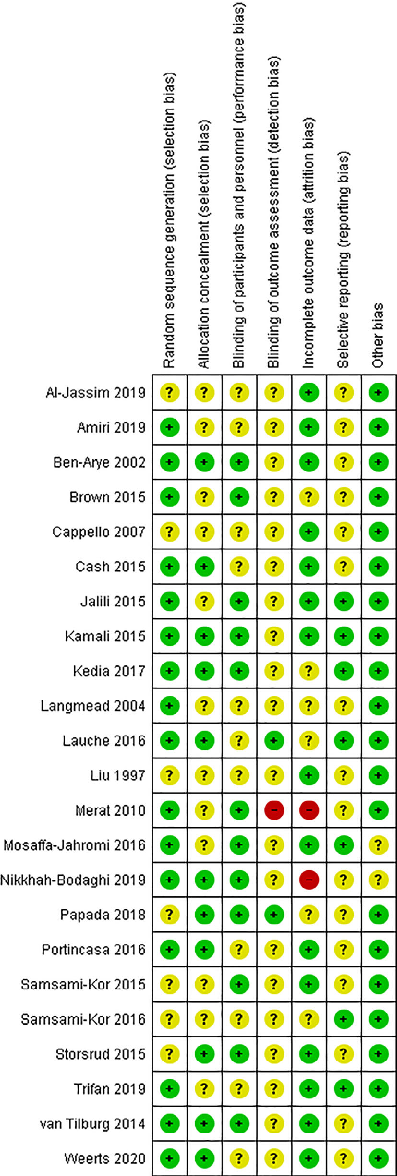
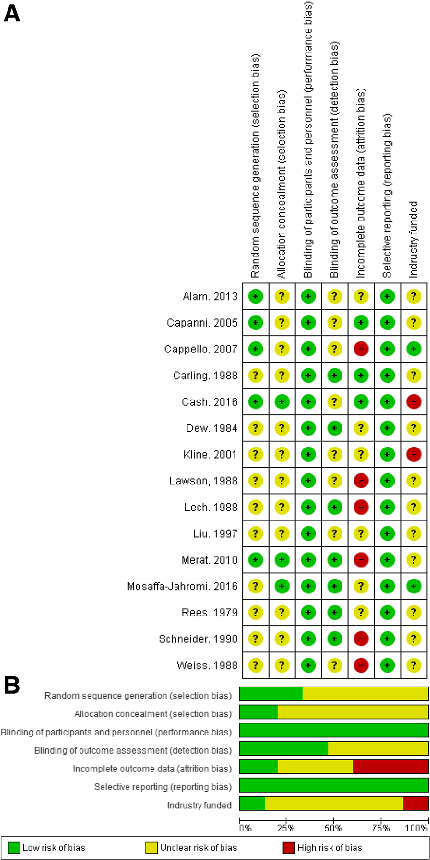
FIGURE 1 Risk of bias summary of randomised controlled trials examining the effect of biophenol-rich nutraceuticals on gastrointestinal symptoms and related outcomes in adults with inflammatory related gastrointestinal conditions
Efficacy and safety of biophenol-rich nutraceuticals in adults with inflammatory gastrointestinal diseases …
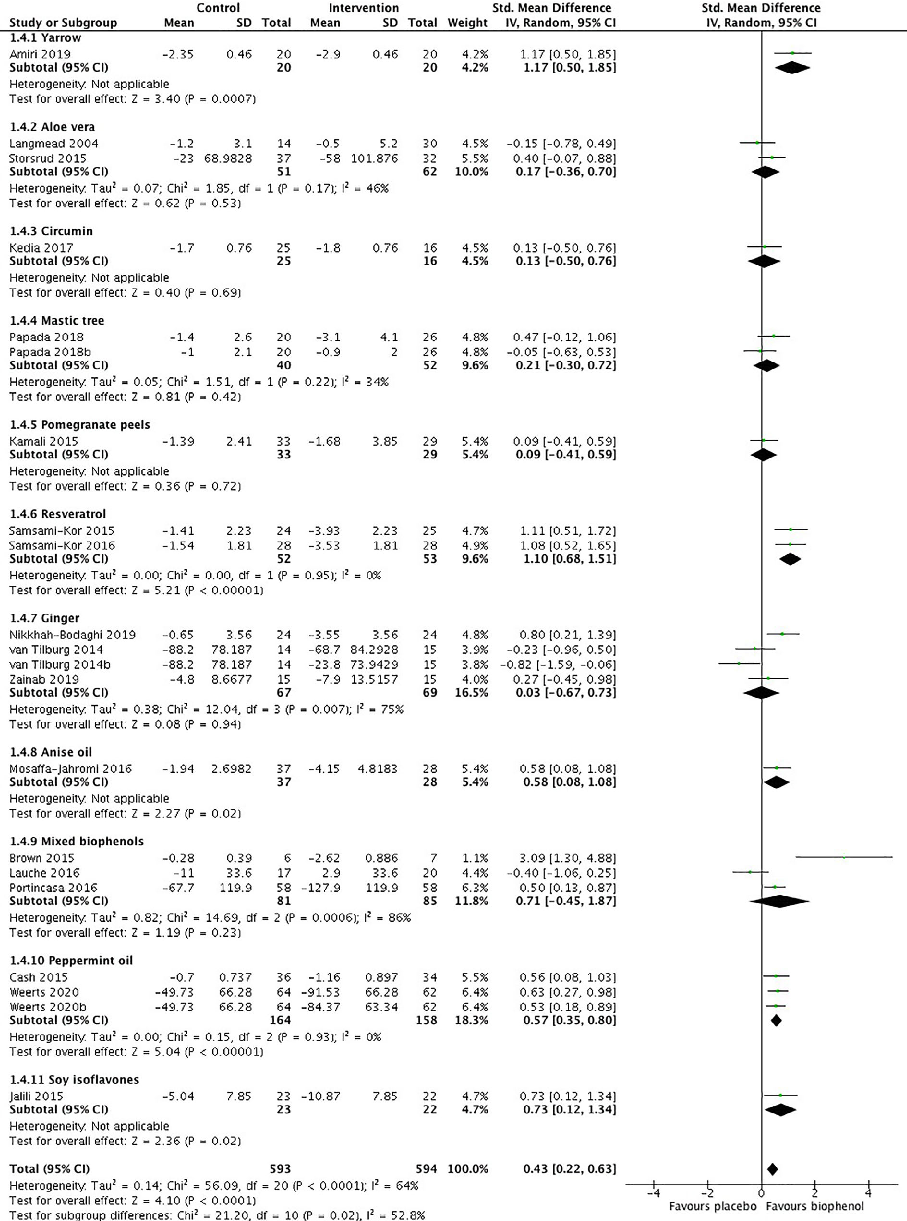
Efficacy and safety of biophenol-rich nutraceuticals in adults with inflammatory gastrointestinal diseases …
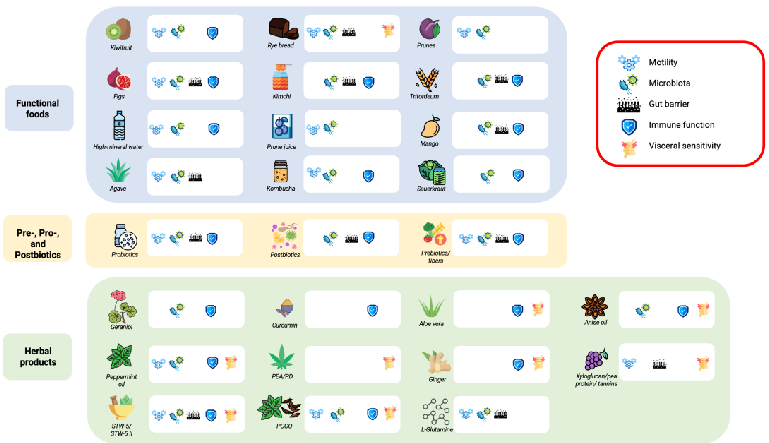
Figure 1. Main mechanisms of action of functional foods, herbal medicine, and other nutraceuticals in IBS. Each icon next to the medicinal products indicates which of the five main pathophysiological …
Functional Foods and Nutraceuticals in Irritable Bowel Syndrome.