락토바실루스 애시도필루스 그림
10 동료 심사 연구의 그림
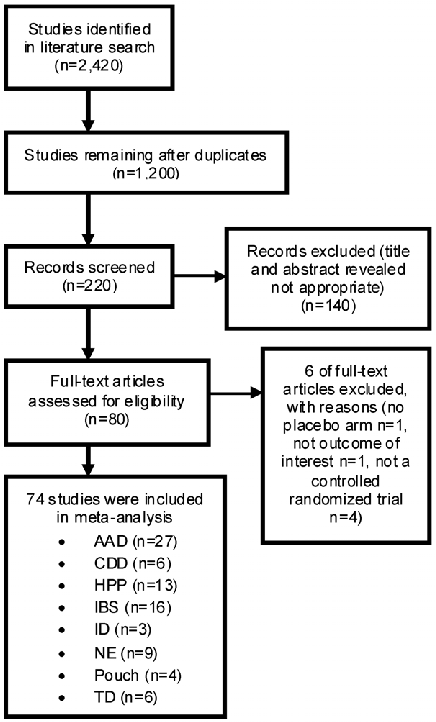
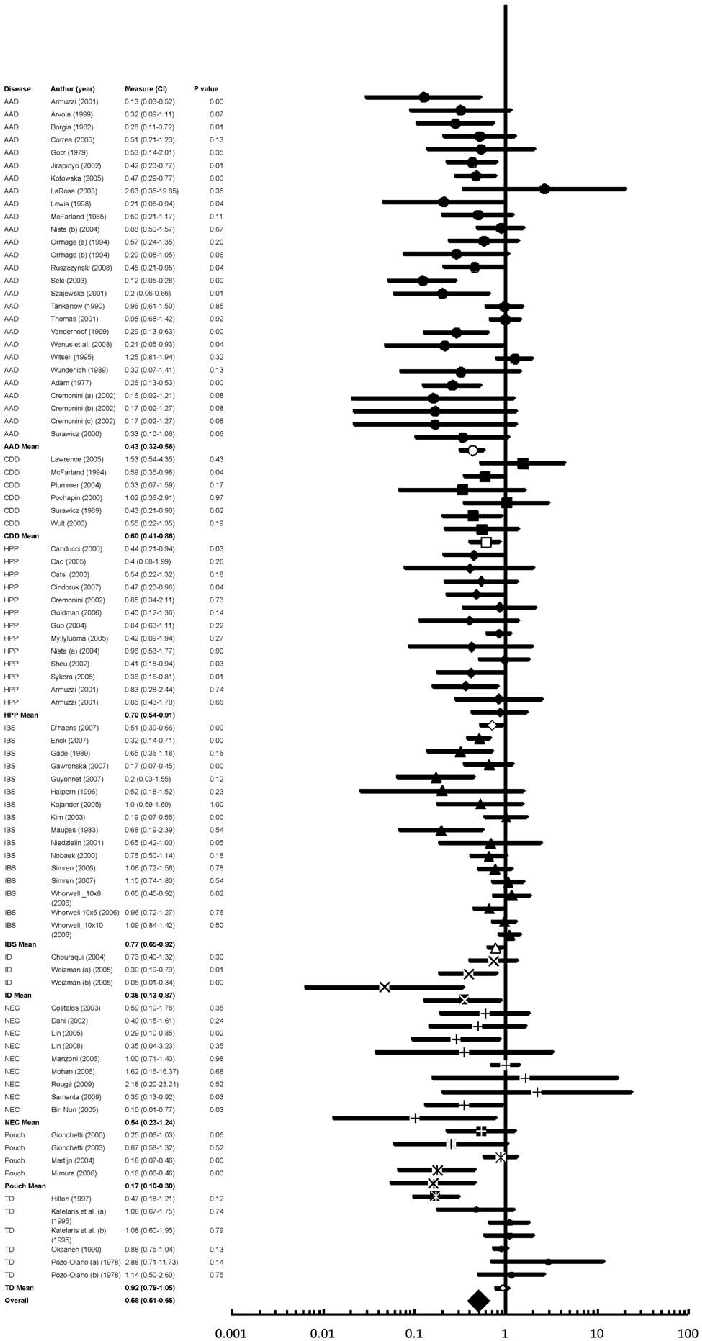
Forest plot summarizing the pooled efficacy of probiotic interventions across multiple gastrointestinal conditions, with odds ratios and confidence intervals for each included trial.
A meta-analysis of probiotic efficacy for gastrointestinal diseases.
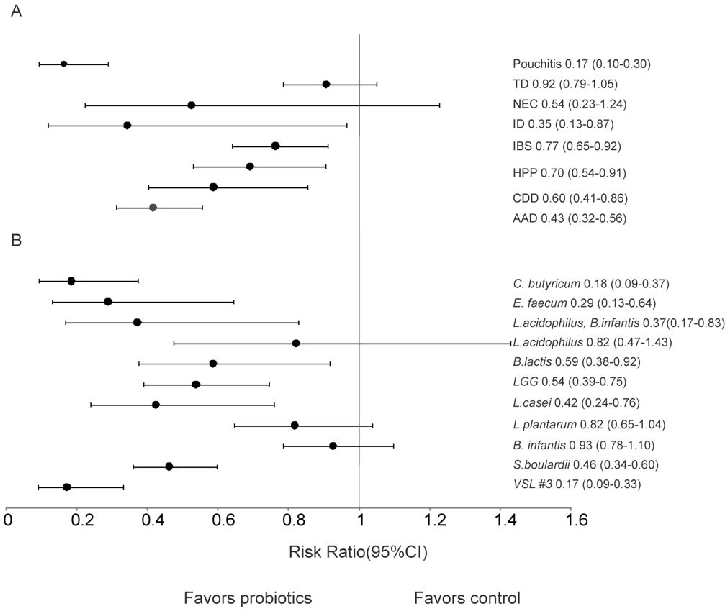
Subgroup analysis by probiotic strain type reveals differential efficacy, with Lactobacillus and Saccharomyces species showing the strongest associations with symptom improvement.
A meta-analysis of probiotic efficacy for gastrointestinal diseases.
Funnel plot assessment for publication bias in the probiotic meta-analysis indicates generally symmetric distribution of effect sizes around the pooled estimate.
A meta-analysis of probiotic efficacy for gastrointestinal diseases.
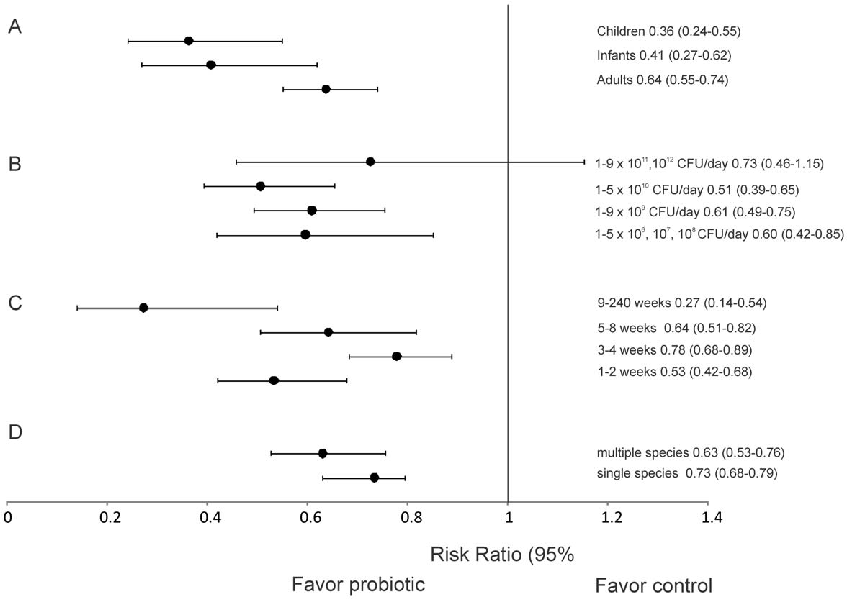
Stratified forest plot examining probiotic efficacy specifically in antibiotic-associated diarrhea trials shows a significant protective effect compared to placebo.
A meta-analysis of probiotic efficacy for gastrointestinal diseases.
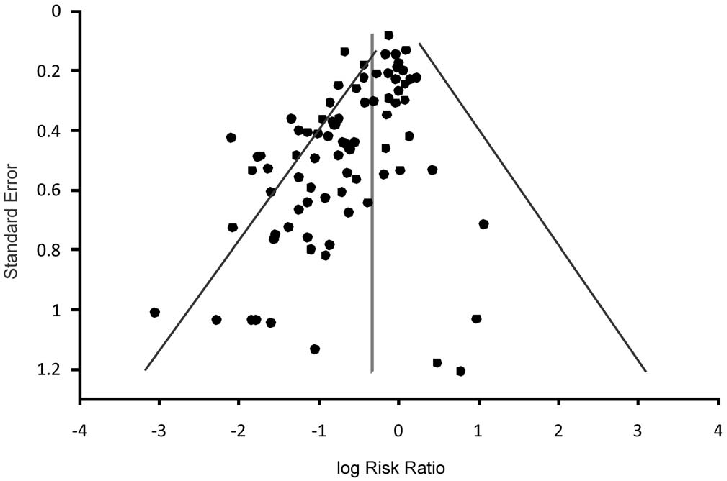
Sensitivity analysis removing individual studies demonstrates that the overall positive association between probiotic supplementation and gastrointestinal symptom relief remains robust.
A meta-analysis of probiotic efficacy for gastrointestinal diseases.
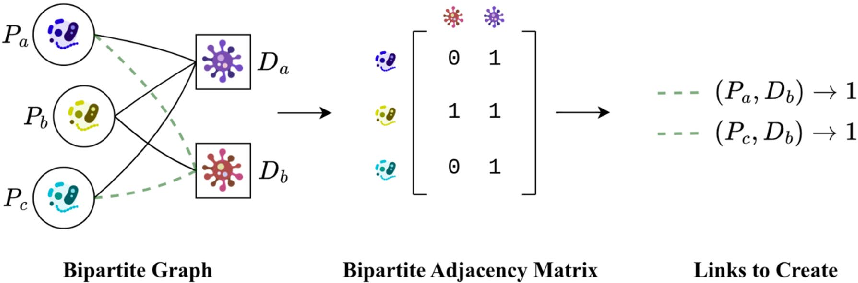
Experimental results examining computational prediction of new therapeutic effects of probiotics, with data points illustrating key findings related to probiotics are living microorganisms that provide health benefits to their hosts, potentially aiding in the treatment.
Computational prediction of new therapeutic effects of probiotics.
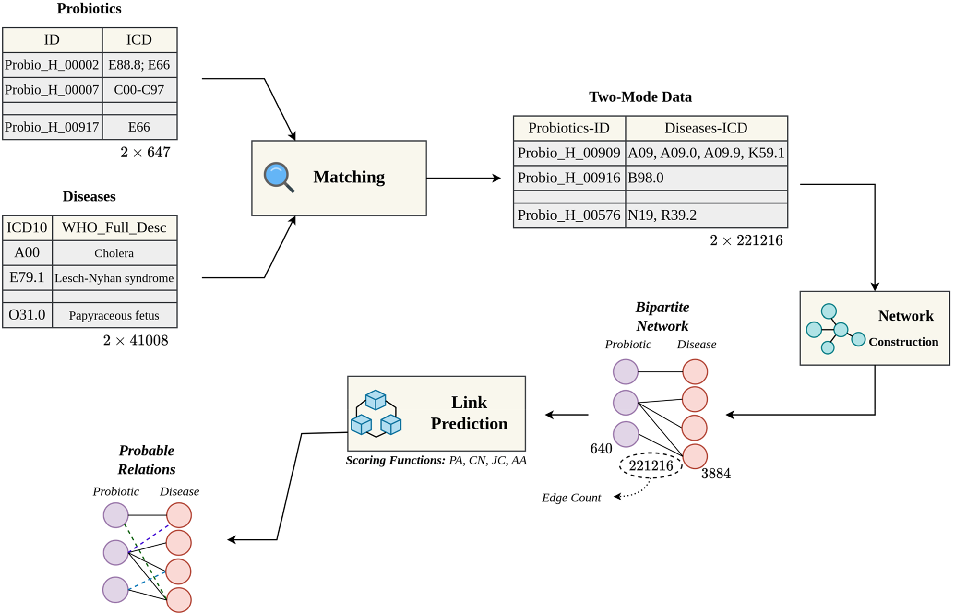
Statistical analysis from research investigating computational prediction of new therapeutic effects of probiotics, comparing treatment groups and control conditions.
Computational prediction of new therapeutic effects of probiotics.
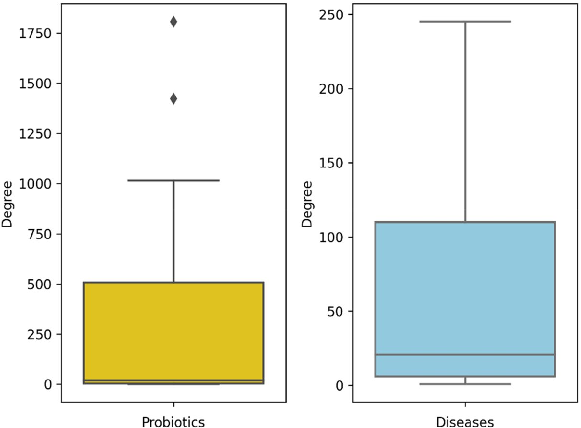
Measured parameters from a study evaluating computational prediction of new therapeutic effects of probiotics, contributing to the overall assessment of probiotics are living microorganisms that provide health benefits to their hosts, potentially aiding in the treatment.
Computational prediction of new therapeutic effects of probiotics.
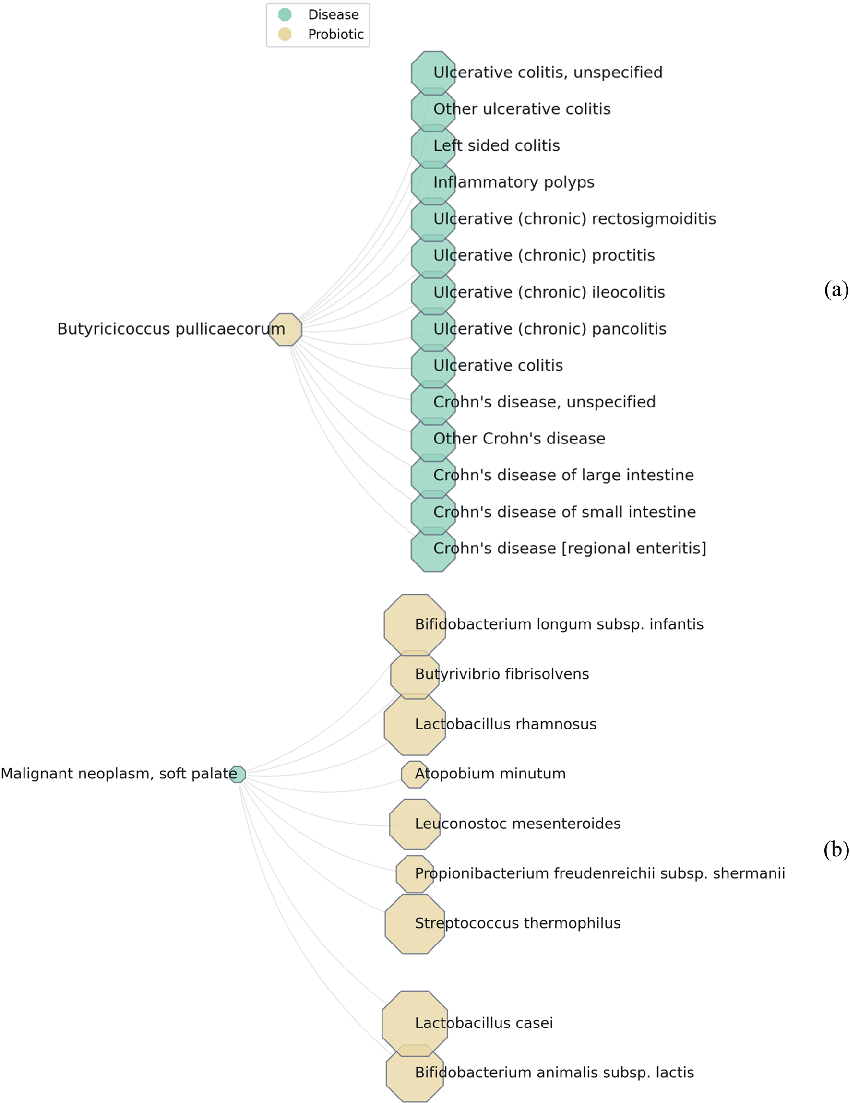
Graphical representation of outcomes in a study of computational prediction of new therapeutic effects of probiotics, highlighting trends observed across experimental conditions.
Computational prediction of new therapeutic effects of probiotics.
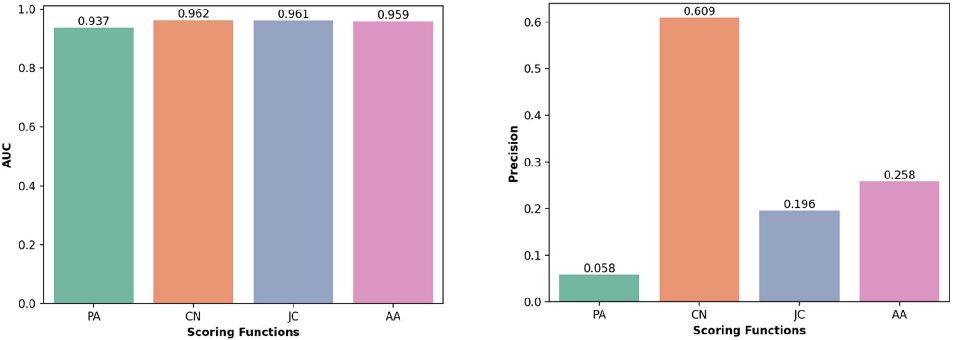
Quantitative data from a study on computational prediction of new therapeutic effects of probiotics, presenting measured outcomes relevant to the investigation of probiotics are living microorganisms that provide health benefits to their hosts, potentially aiding in the treatment.
Computational prediction of new therapeutic effects of probiotics.