Processo di ricerca
477 figure da ricerca revisionata da esperti
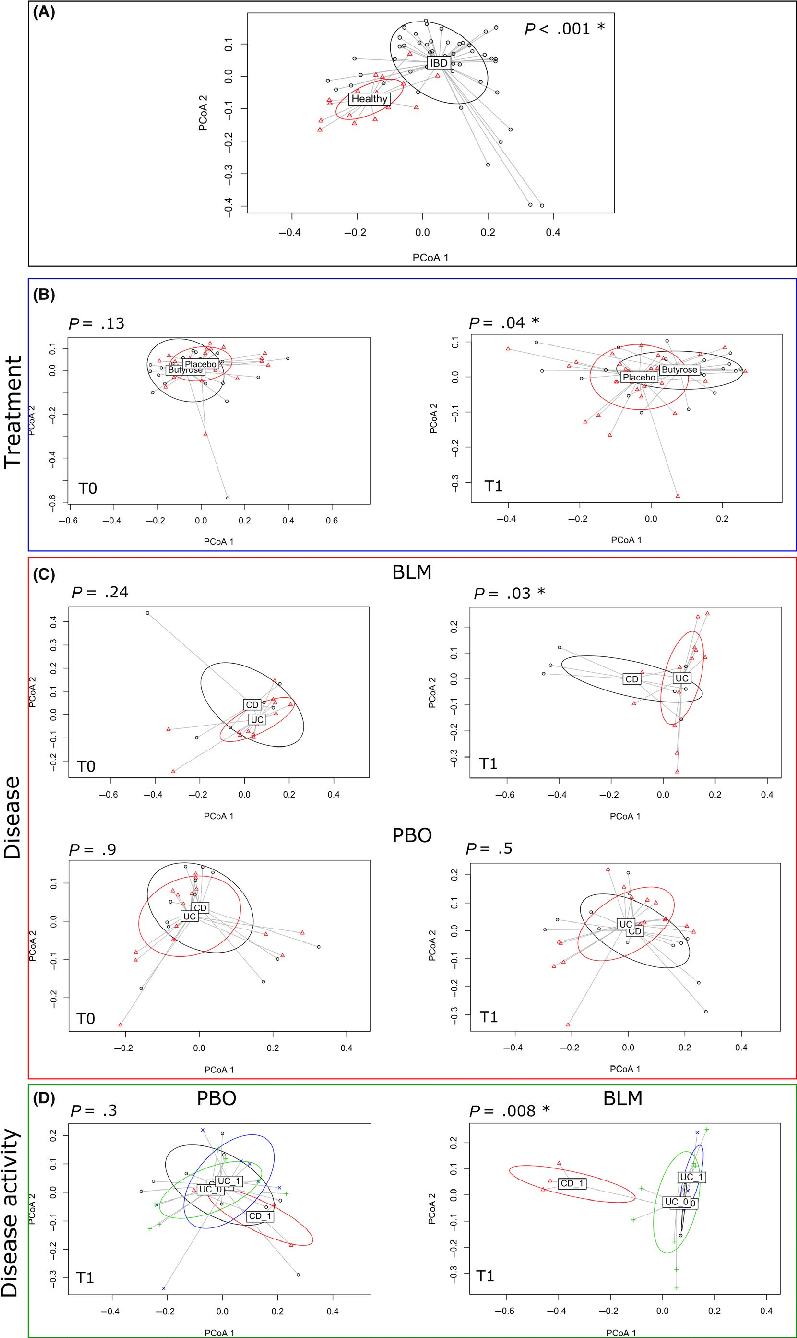
Beta diversity analysis using principal coordinates reveals shifts in overall microbiota community structure following butyrate supplementation. Separation between pre- and post-treatment samples suggests reproducible compositional changes.
Microbiota changes induced by microencapsulated sodium butyrate in patients with inflammatory bowel …
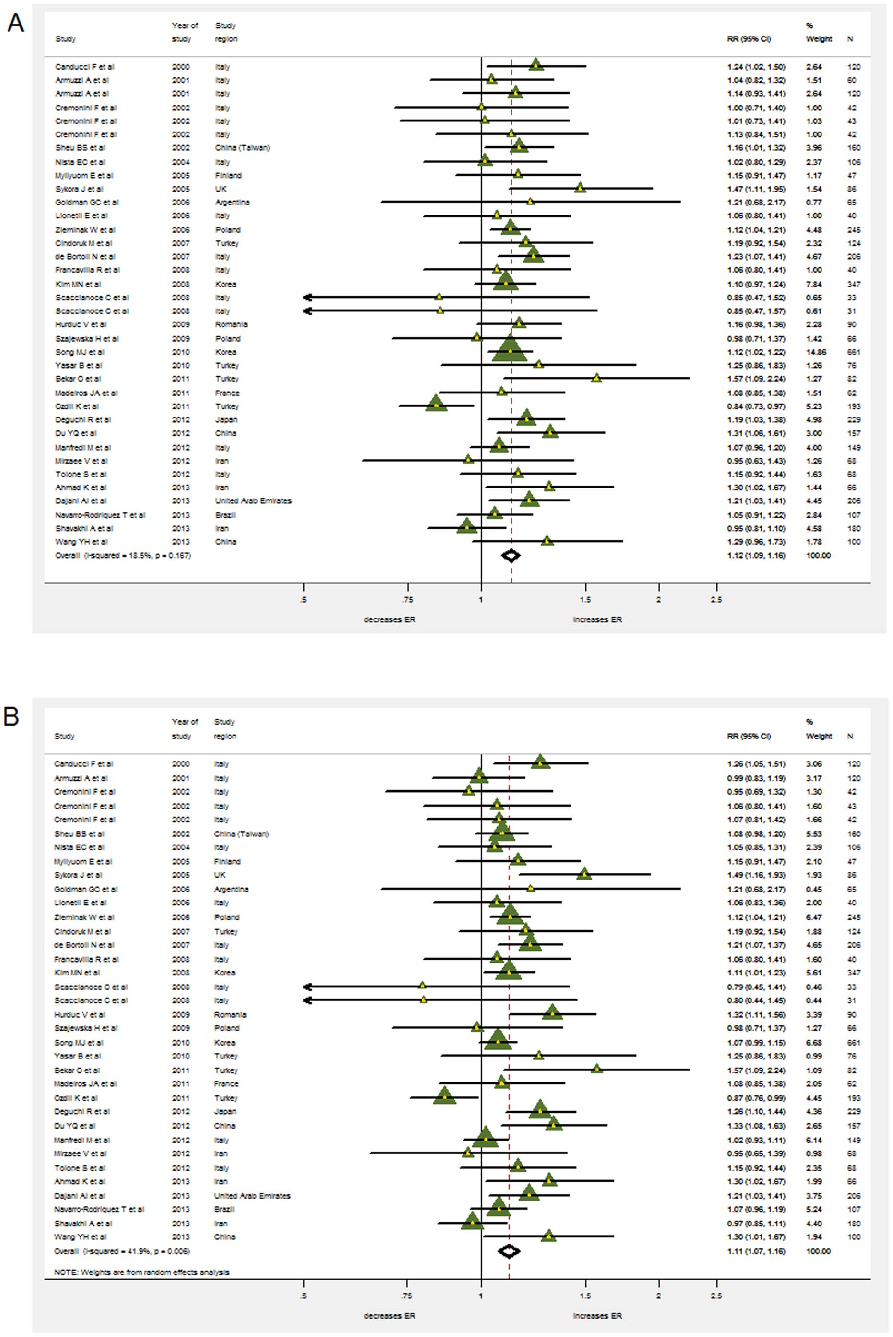
Forest plot of pooled H. pylori eradication rates demonstrates a modest but statistically significant improvement when probiotics are added to standard antibiotic therapy. Effect sizes vary across individual studies depending on probiotic strains used.
The effect of probiotics supplementation on Helicobacter pylori eradication rates and side …
Subgroup analysis by probiotic species reveals that Lactobacillus-based preparations and multi-strain combinations show the most consistent benefit for improving eradication rates. Single-strain Saccharomyces boulardii also demonstrates efficacy.
The effect of probiotics supplementation on Helicobacter pylori eradication rates and side …
Overall side effect incidence is significantly reduced in patients receiving adjunctive probiotic supplementation during H. pylori eradication therapy. Diarrhea, nausea, and abdominal pain are the adverse events most consistently ameliorated.
The effect of probiotics supplementation on Helicobacter pylori eradication rates and side …
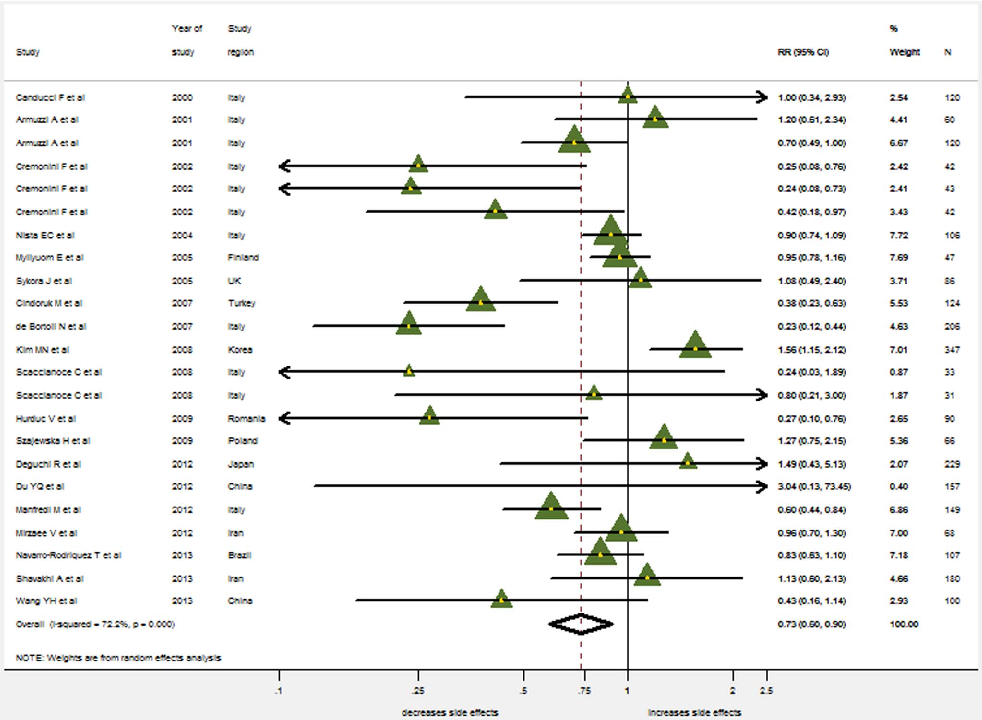
Funnel plot assessment for publication bias in the meta-analysis shows relatively symmetric distribution of studies, suggesting minimal publication bias in the included eradication rate trials.
The effect of probiotics supplementation on Helicobacter pylori eradication rates and side …
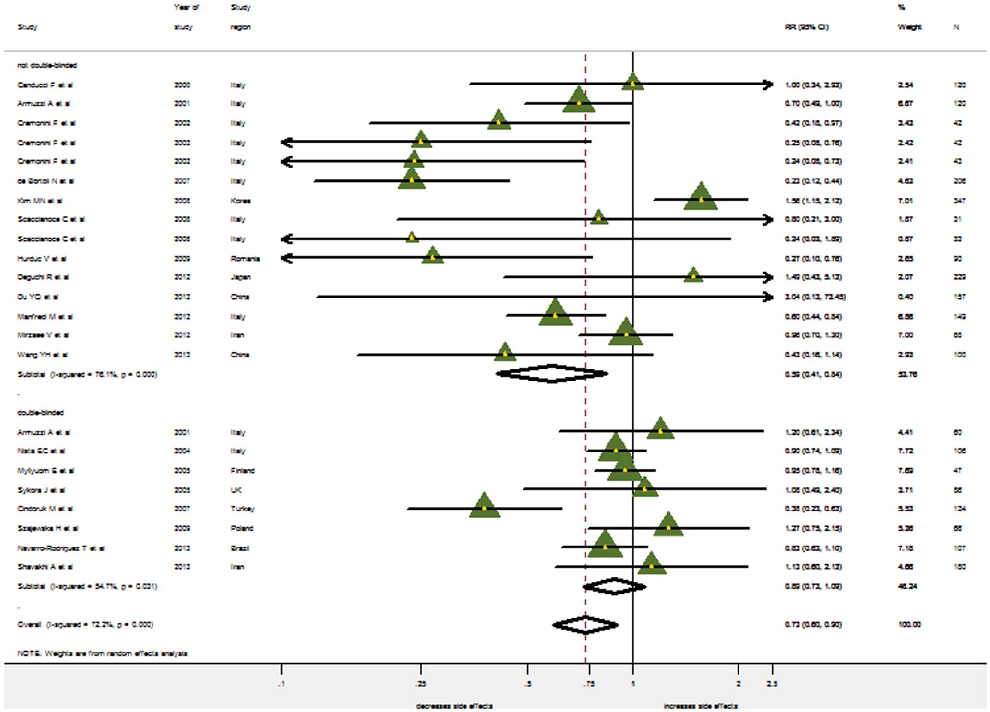
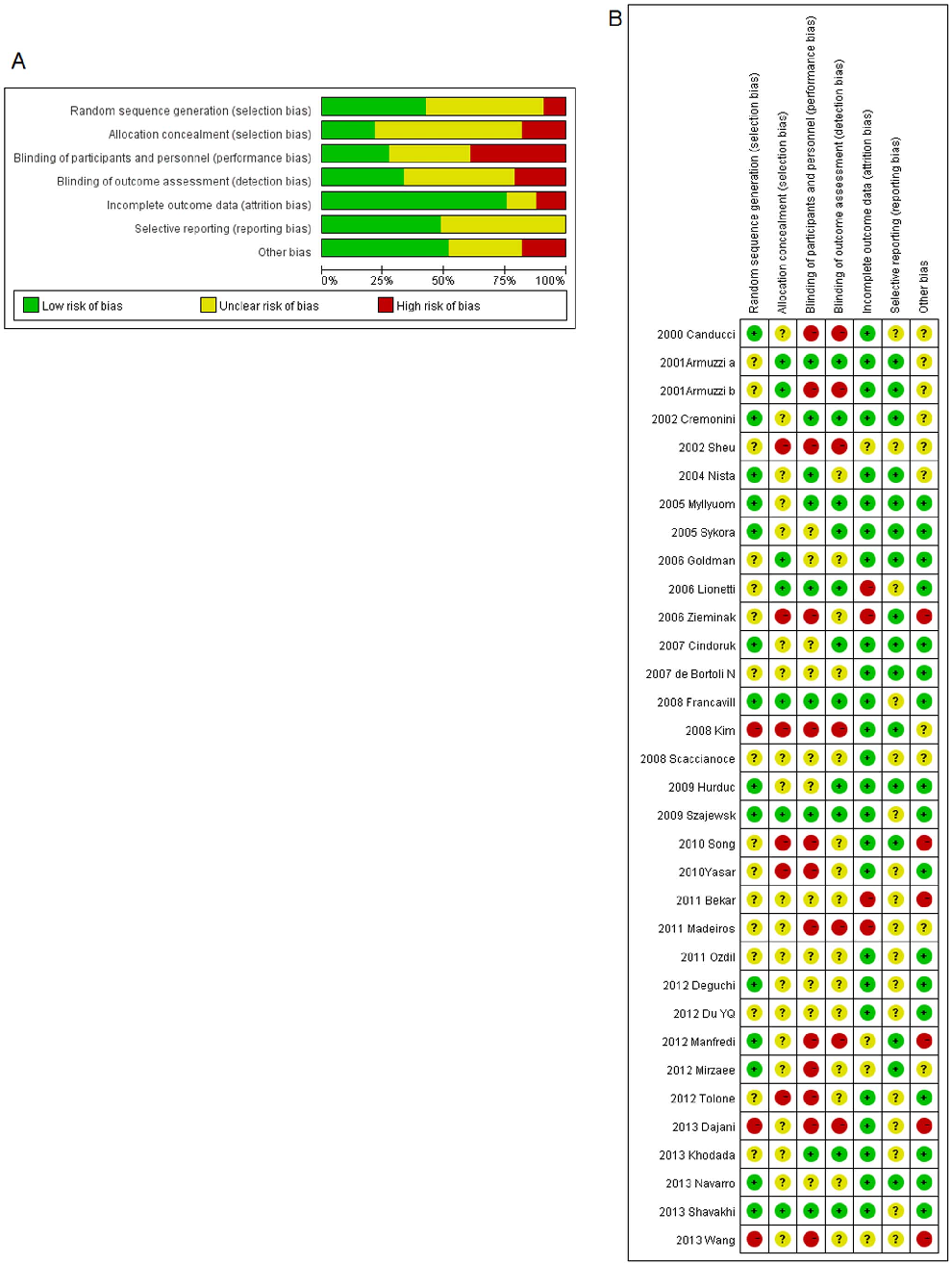
Sensitivity analyses confirm the robustness of the pooled treatment effect, with no single study disproportionately influencing the overall result. Risk of bias assessment across included trials indicates moderate quality evidence.
The effect of probiotics supplementation on Helicobacter pylori eradication rates and side …
The Canadian Association of Gastroenterology clinical practice guideline provides an evidence-based framework for managing irritable bowel syndrome, covering diagnosis, dietary modifications, pharmacological treatments, and psychological interventions.
Canadian Association of Gastroenterology Clinical Practice Guideline for the Management of Irritable …
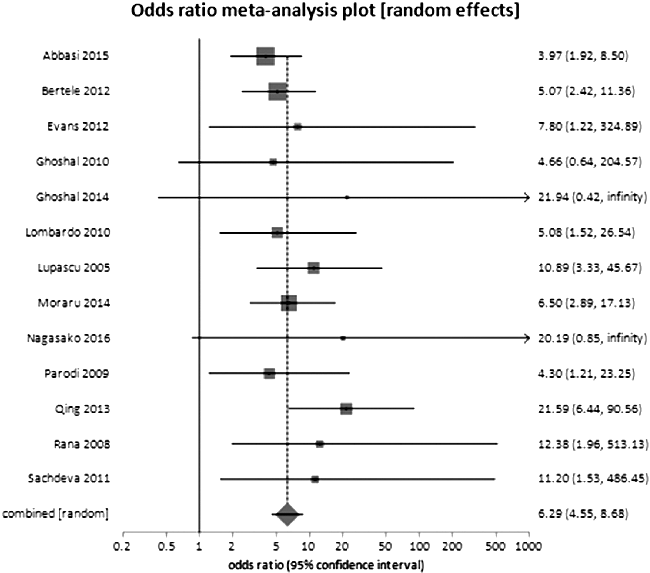
Diagnostic criteria for IBS rely on symptom-based assessment using Rome IV criteria, with limited use of diagnostic tests. Serological screening for celiac disease is recommended as part of the initial evaluation.
Canadian Association of Gastroenterology Clinical Practice Guideline for the Management of Irritable …
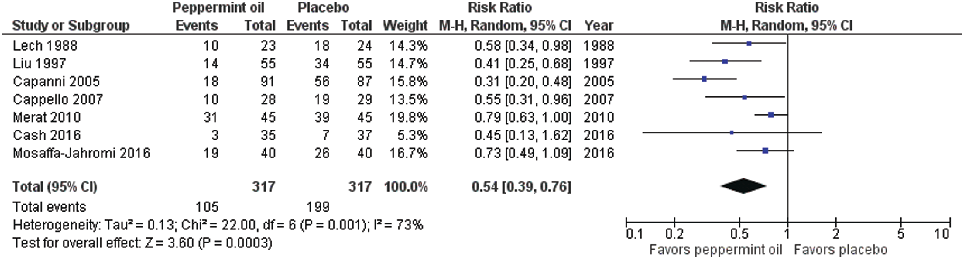
Evidence evaluation for probiotic therapies in IBS suggests overall benefit, particularly with combination probiotic preparations. Strain-specific recommendations remain difficult due to heterogeneity in study designs and products evaluated.
Canadian Association of Gastroenterology Clinical Practice Guideline for the Management of Irritable …
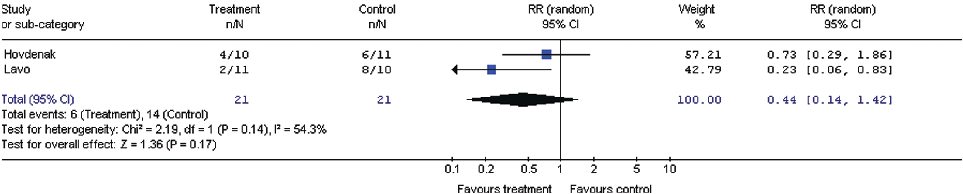
Dietary interventions for IBS include the low-FODMAP diet, which has demonstrated efficacy in reducing bloating, abdominal pain, and altered bowel habits. A dietitian-guided three-phase approach (restriction, reintroduction, personalization) is recommended.
Canadian Association of Gastroenterology Clinical Practice Guideline for the Management of Irritable …

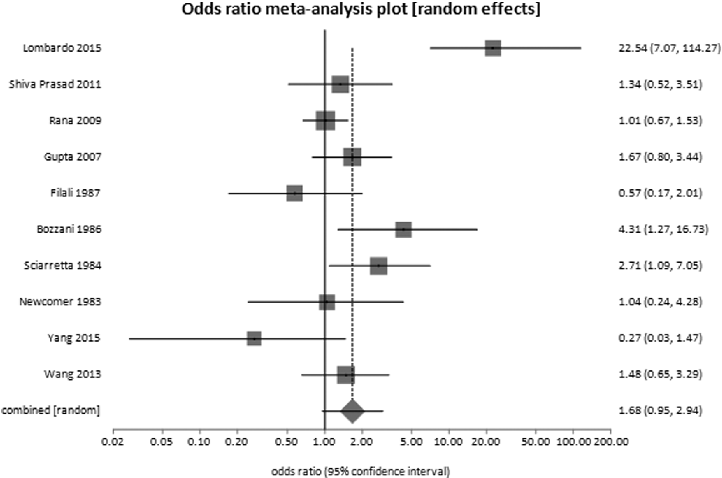
Polyethylene glycol 3350 is evaluated for IBS with constipation based on two RCTs totaling 181 patients. Evidence supports its use for improving stool consistency, though effects on abdominal pain are less consistent.
Canadian Association of Gastroenterology Clinical Practice Guideline for the Management of Irritable …
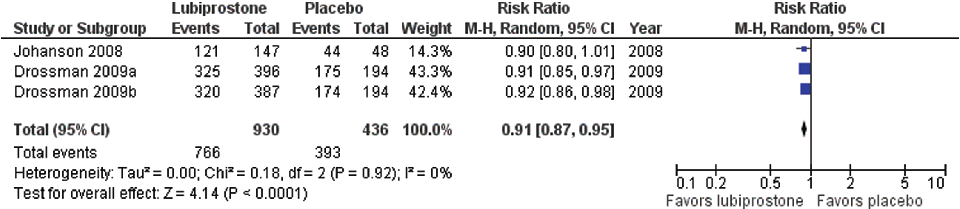
Antispasmodic agents including peppermint oil, pinaverium, and trimebutine receive conditional recommendations for IBS symptom management. Evidence quality varies across specific agents.
Canadian Association of Gastroenterology Clinical Practice Guideline for the Management of Irritable …
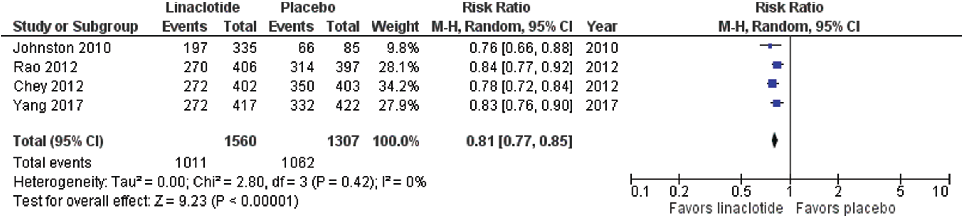
An algorithmic approach to IBS management stratifies treatment by predominant bowel habit (IBS-C, IBS-D, IBS-M) and symptom severity. First-line interventions include dietary modification and fiber supplementation.
Canadian Association of Gastroenterology Clinical Practice Guideline for the Management of Irritable …
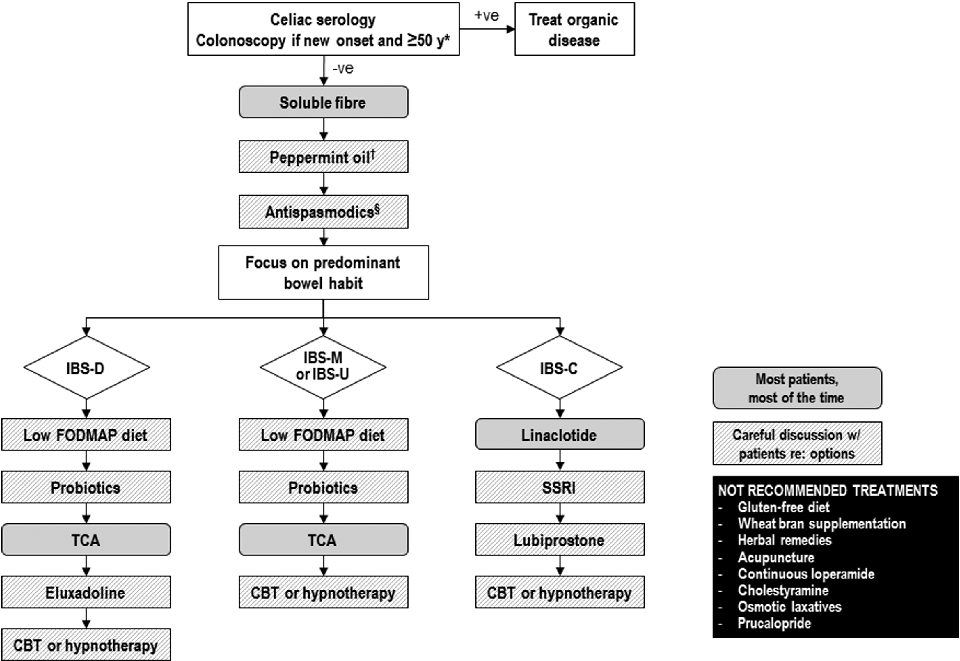
Summary recommendations across all therapeutic categories for IBS are presented with corresponding evidence quality ratings and strength of recommendation. The guideline emphasizes shared decision-making with patients.
Canadian Association of Gastroenterology Clinical Practice Guideline for the Management of Irritable …
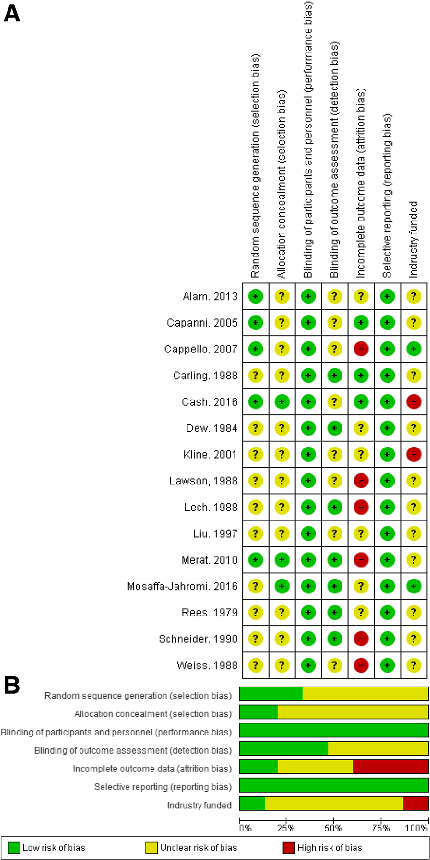
Subgroup analyses by peppermint oil formulation (enteric-coated versus non-enteric-coated) reveal that enteric coating may enhance efficacy by delivering the active compound directly to the lower gastrointestinal tract.
The impact of peppermint oil on the irritable bowel syndrome: a meta-analysis …
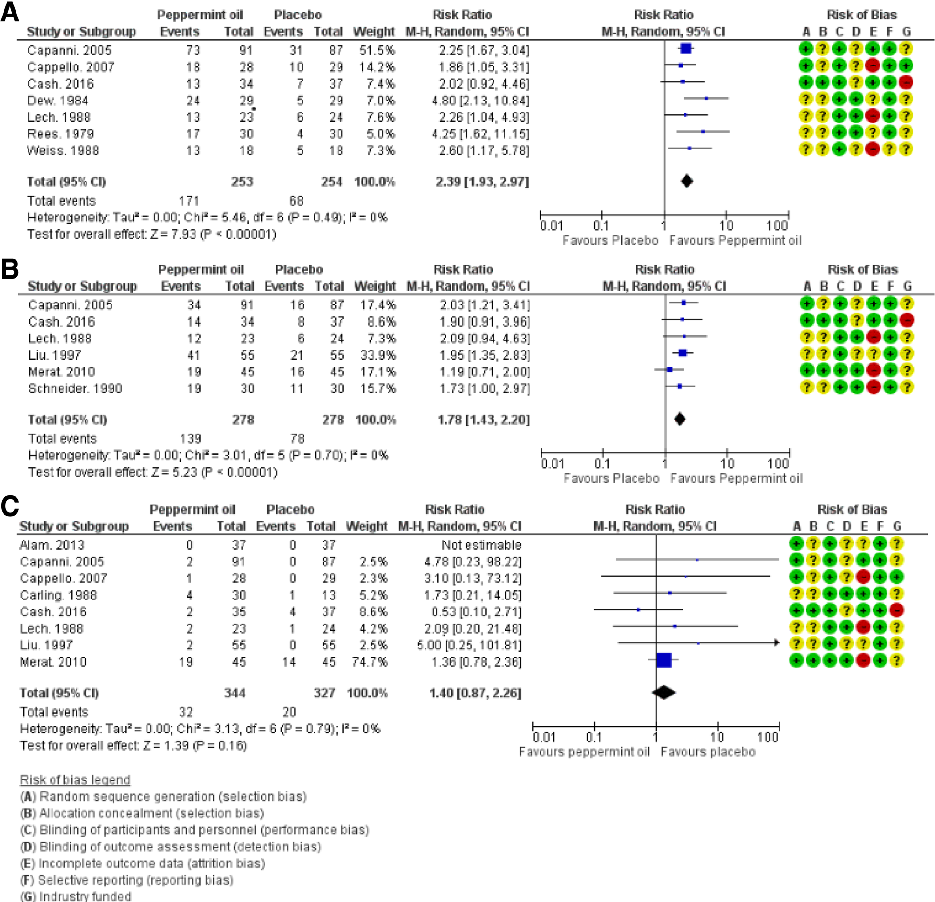
Sensitivity analyses excluding high-risk-of-bias studies confirm the robustness of the treatment effect. The benefit of peppermint oil persists regardless of IBS subtype or study quality.
The impact of peppermint oil on the irritable bowel syndrome: a meta-analysis …
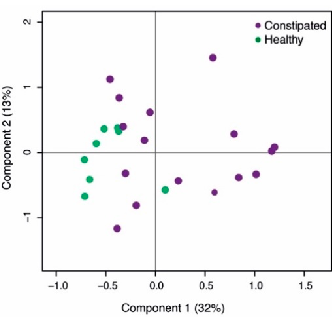
Principal coordinate analysis of baseline microbial communities reveals separation between constipated patients and healthy controls, indicating distinct microbiome configurations associated with chronic constipation.
The Effect of Psyllium Husk on Intestinal Microbiota in Constipated Patients and …
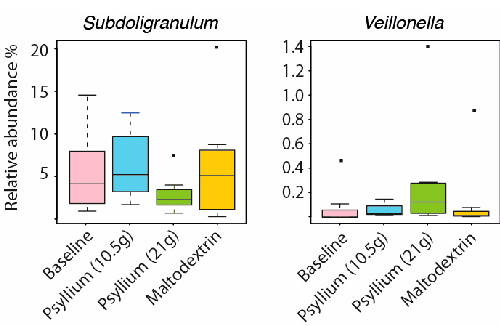
Psyllium supplementation alters the intestinal microbiota of healthy adults, with specific increases in Faecalibacterium and other fiber-fermenting taxa. These changes are consistent with enhanced saccharolytic fermentation.
The Effect of Psyllium Husk on Intestinal Microbiota in Constipated Patients and …
Microbial taxa changes in constipated patients following psyllium supplementation show distinct patterns compared to healthy volunteers. Certain Lachnospiraceae and Ruminococcaceae members increase selectively.
The Effect of Psyllium Husk on Intestinal Microbiota in Constipated Patients and …
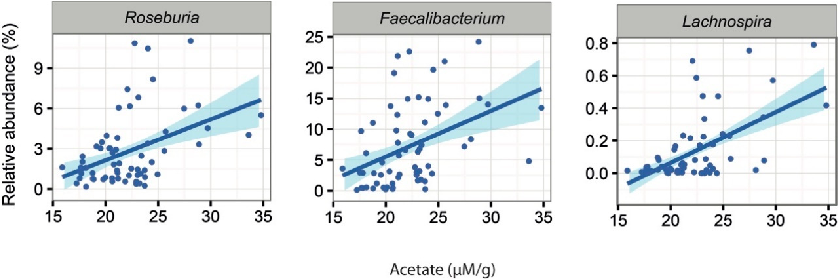
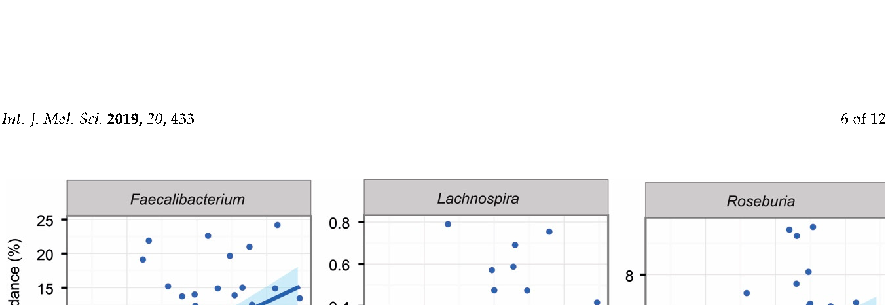
Significant associations between fecal acetate concentrations and specific microbial taxa are identified in constipated patients. Higher Lachnospira and Roseburia abundance correlates with increased acetate production.
The Effect of Psyllium Husk on Intestinal Microbiota in Constipated Patients and …
Butyrate modulates immune cell function in the gut mucosa, suppressing pro-inflammatory macrophage and dendritic cell activation while promoting regulatory T-cell differentiation. These immunomodulatory effects contribute to intestinal homeostasis.
Gut Microbial Metabolite Butyrate and Its Therapeutic Role in Inflammatory Bowel Disease: …
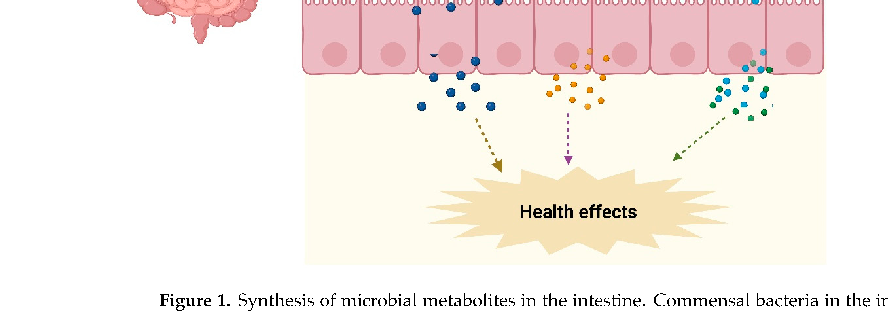
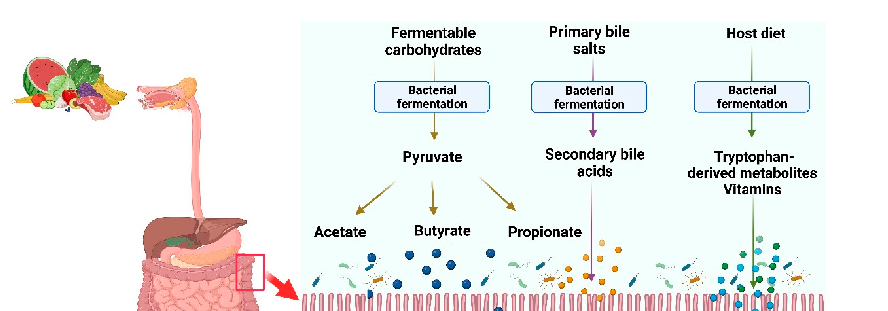
Dietary fiber fermentation pathways in the colon illustrate how complex carbohydrates are sequentially broken down by microbial consortia, ultimately yielding butyrate, propionate, and acetate as primary end products.
Gut Microbial Metabolite Butyrate and Its Therapeutic Role in Inflammatory Bowel Disease: …
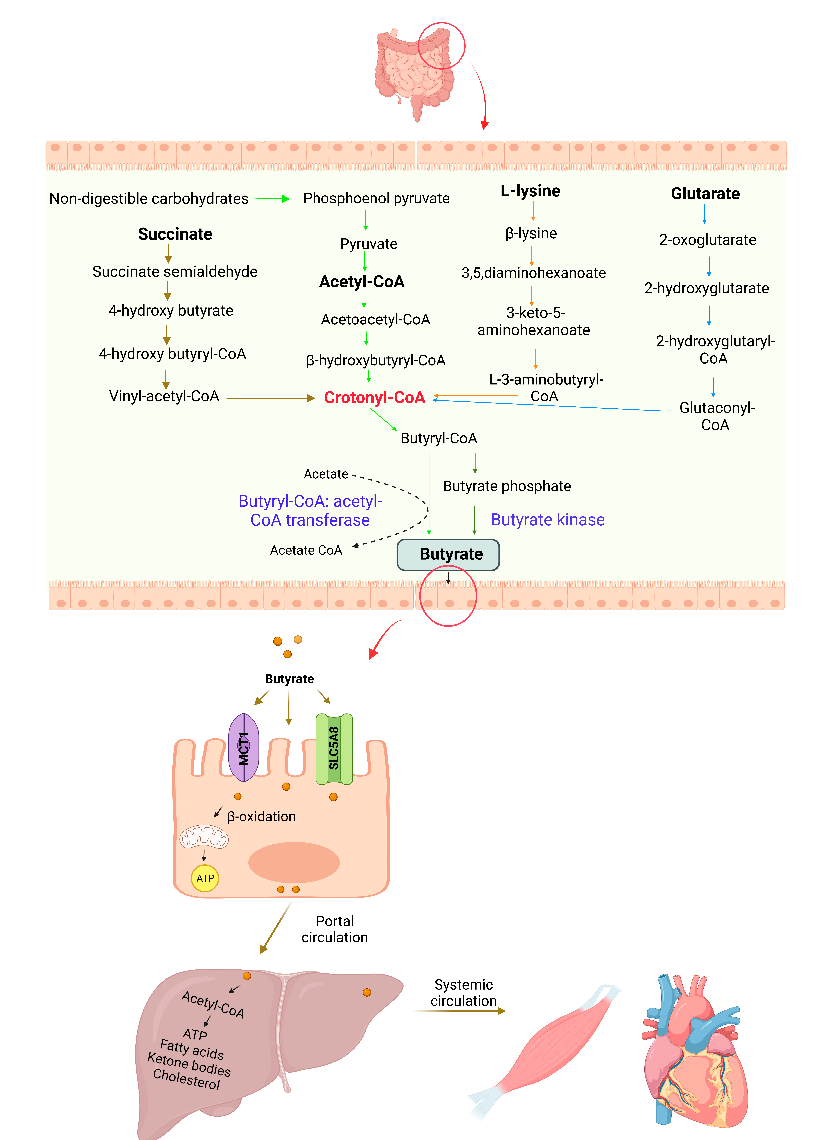
Clinical evidence from intervention studies suggests that butyrate supplementation, either orally or via enema, may reduce disease activity scores in ulcerative colitis patients. Response rates vary across delivery methods and formulations.
Gut Microbial Metabolite Butyrate and Its Therapeutic Role in Inflammatory Bowel Disease: …
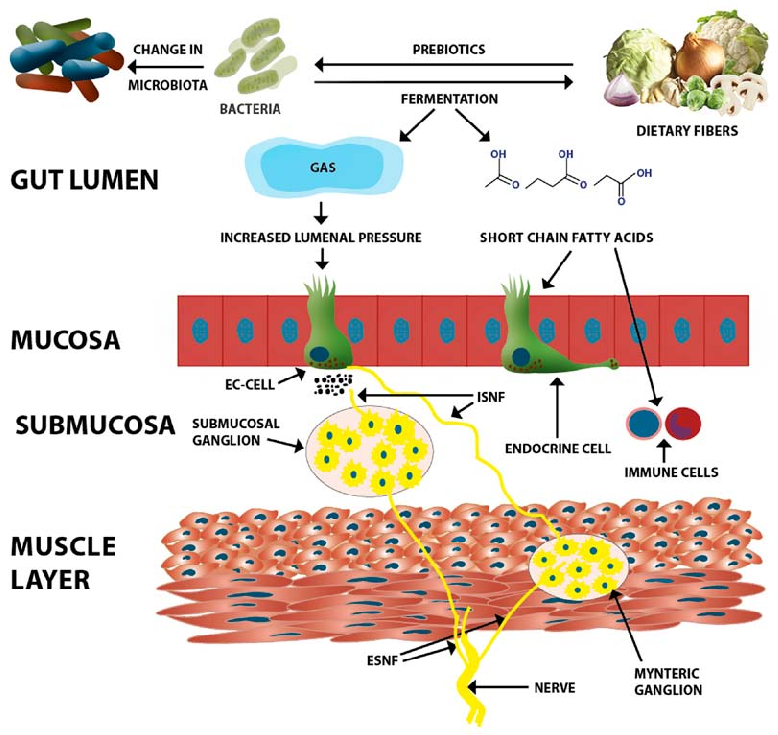
Dietary fiber acts as a prebiotic for intestinal microbiota, promoting growth of beneficial bacteria and production of short-chain fatty acids. This diagram illustrates multiple mechanisms through which fiber affects gastrointestinal function, including modulation of gut microbiome composition and intestinal barrier integrity.
Dietary fiber in irritable bowel syndrome (Review).
Pagina 3 di 20