
Beschreibung
Polyethylene glycol 3350 is evaluated for IBS with constipation based on two RCTs totaling 181 patients. Evidence supports its use for improving stool consistency, though effects on abdominal pain are less consistent.
More Figures from This Paper
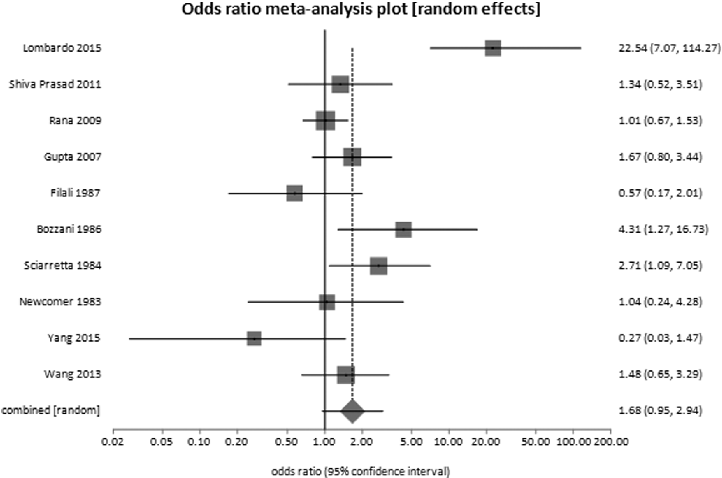
Figure 1
The Canadian Association of Gastroenterology clinical practice guideline provides an evidence-based framework for managing irritable bowel syndrome, covering diagnosis, dietary modifications, pharmacological treatments, and psychological interventions.
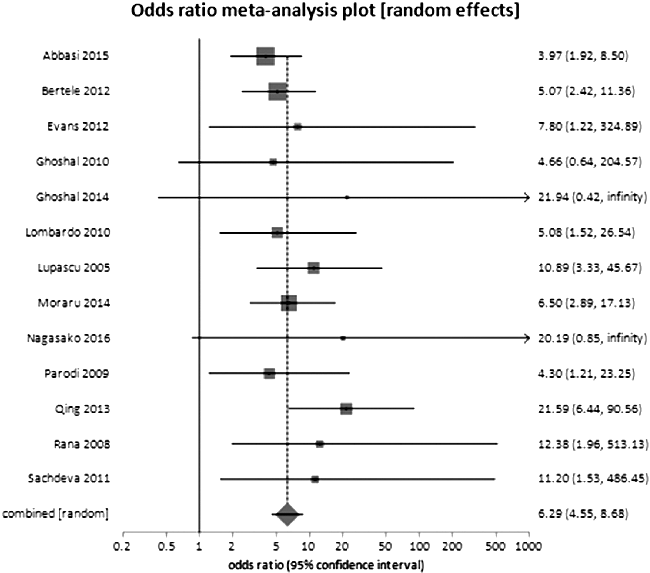
Figure 2
Diagnostic criteria for IBS rely on symptom-based assessment using Rome IV criteria, with limited use of diagnostic tests. Serological screening for celiac disease is recommended as part of the initial evaluation.
flowchart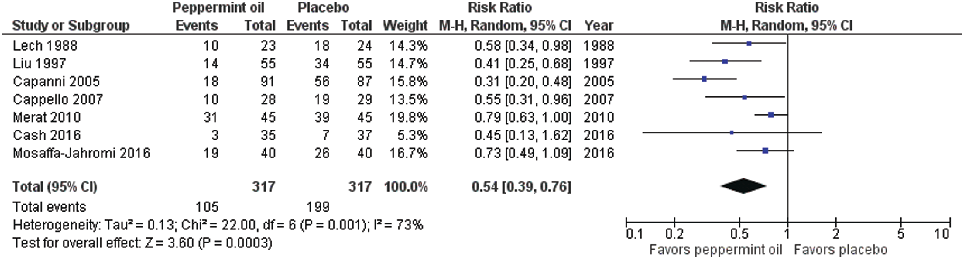
Figure 3
Evidence evaluation for probiotic therapies in IBS suggests overall benefit, particularly with combination probiotic preparations. Strain-specific recommendations remain difficult due to heterogeneity in study designs and products evaluated.
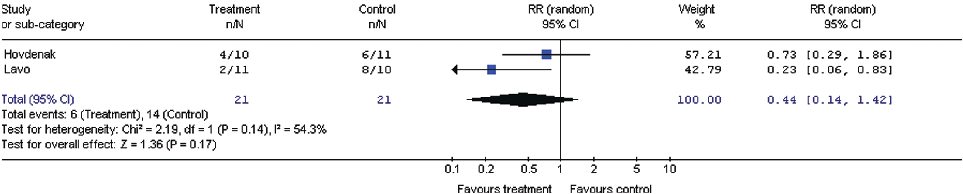
Figure 4
Dietary interventions for IBS include the low-FODMAP diet, which has demonstrated efficacy in reducing bloating, abdominal pain, and altered bowel habits. A dietitian-guided three-phase approach (restriction, reintroduction, personalization) is recommended.
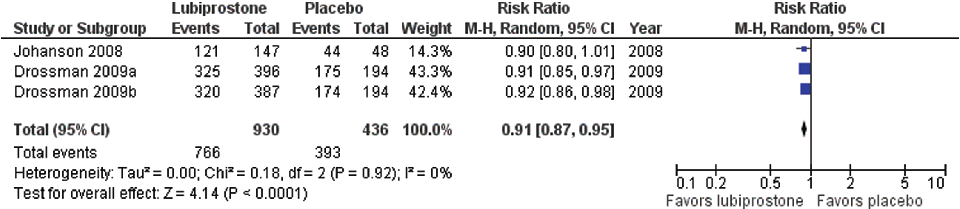
Figure 6
Antispasmodic agents including peppermint oil, pinaverium, and trimebutine receive conditional recommendations for IBS symptom management. Evidence quality varies across specific agents.
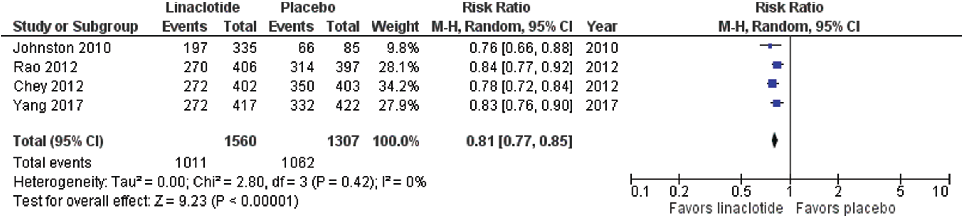
Figure 7
An algorithmic approach to IBS management stratifies treatment by predominant bowel habit (IBS-C, IBS-D, IBS-M) and symptom severity. First-line interventions include dietary modification and fiber supplementation.
flowchartFigure 5
ChartSource Paper
Canadian Association of Gastroenterology Clinical Practice Guideline for the Management of Irritable Bowel Syndrome (IBS).Journal of the Canadian Association of Gastroenterology (2019)
PMID: 31294724
DOI: 10.1093/jcag/gwy071
Cite This Figure
 > Source: Paul Moayyedi et al. "Canadian Association of Gastroenterology Clinical Practice Guideline for the Man." *Journal of the Canadian Association of Gastroenterology*, 2019. PMID: [31294724](https://pubmed.ncbi.nlm.nih.gov/31294724/)
<figure>
  <img src="https://pdfs.citedhealth.com/figures/31294724/368.png" alt="Polyethylene glycol 3350 is evaluated for IBS with constipation based on two RCTs totaling 181 patients. Evidence supports its use for improving stool consistency, though effects on abdominal pain are less consistent." />
  <figcaption>Figure 5. Polyethylene glycol 3350 is evaluated for IBS with constipation based on two RCTs totaling 181 patients. Evidence supports its use for improving stool consistency, though effects on abdominal pain are less consistent.<br>  Source: Paul Moayyedi et al. "Canadian Association of Gastroenterology Clinical Practice Guideline for the Man." <em>Journal of the Canadian Association of Gastroenterology</em>, 2019. PMID: <a href="https://pubmed.ncbi.nlm.nih.gov/31294724/">31294724</a></figcaption>
</figure>
Verwandte Evidenz
Bewertung A · 18 Studien
Bewertung A · 19 Studien
Bewertung B · 8 Studien
Bewertung B · 3 Studien