Vitamin D Hình ảnh
24 hình ảnh từ nghiên cứu có bình duyệt
Animal models of colitis demonstrate that vitamin D deficiency exacerbates intestinal inflammation, while supplementation or VDR activation attenuates disease severity. These findings support a mechanistic link between vitamin D status and IBD pathophysiology.
The Role of Vitamin D in Inflammatory Bowel Disease: Mechanism to Management.

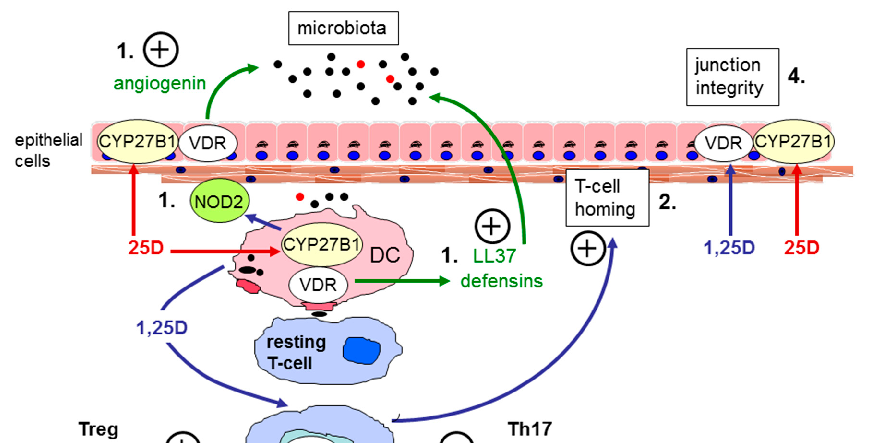
Vitamin D receptor expression and vitamin D-activating enzyme CYP27B1 are present in human colonic epithelial cells, enabling local production of active calcitriol. This paracrine signaling enhances tight junction integrity and antimicrobial defense at the mucosal surface.
The Role of Vitamin D in Inflammatory Bowel Disease: Mechanism to Management.
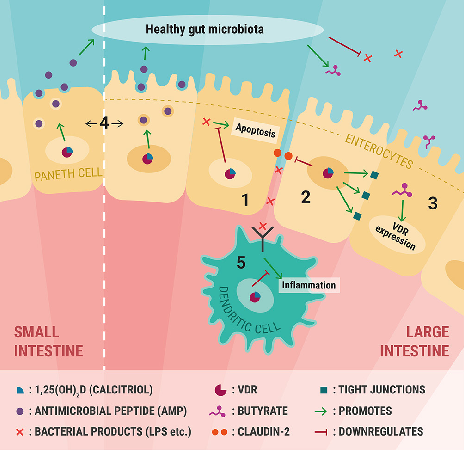
Epithelial mechanisms of vitamin D in IBD, illustrating VDR-mediated NF-kB suppression, claudin-2 regulation at the paracellular barrier, and other pathways through which vitamin D influences intestinal inflammation.
Managing vitamin D deficiency in inflammatory bowel disease.
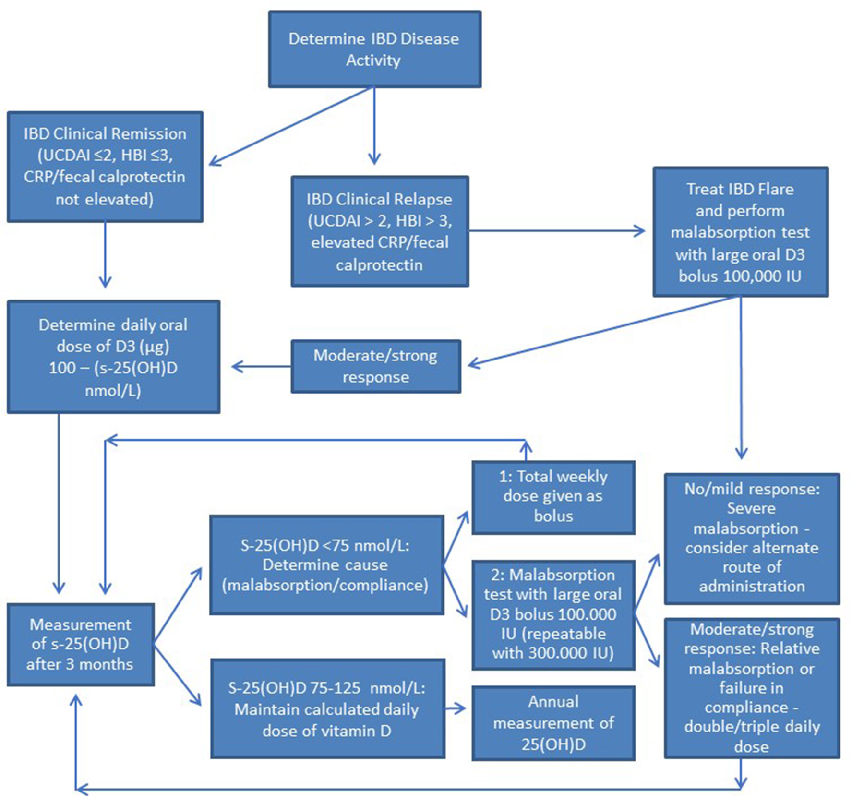
Clinical algorithm for vitamin D supplementation in IBD patients, showing dose calculation based on target 25(OH)D levels, escalation to weekly bolus if targets are unmet, and malabsorption workup considerations.
Managing vitamin D deficiency in inflammatory bowel disease.
Vitamin D's multifaceted role as an immune modulator is discussed, noting that nearly all immune cells express the vitamin D receptor and that deficiency is closely correlated with increased susceptibility to immune-mediated diseases.
The Role of Vitamin D in Immune System and Inflammatory Bowel Disease.
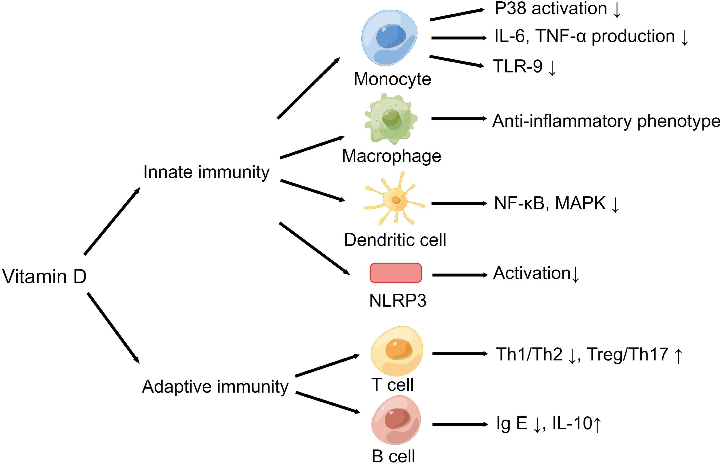
Vitamin D impacts on innate and adaptive immunity are illustrated, showing inhibition of LPS-induced p38 activation, suppression of IL-6 and TNF-alpha by monocytes, and downregulation of TLR-9 expression in immune cells.
The Role of Vitamin D in Immune System and Inflammatory Bowel Disease.
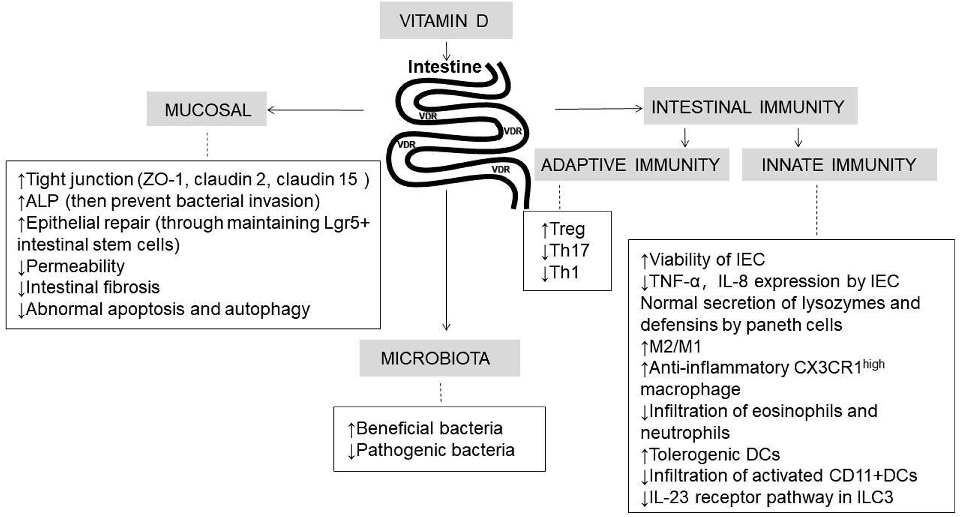
Vitamin D's influence on inflammatory bowel disease development is depicted through three interconnected pathways: intestinal immune regulation, microbiota composition, and mucosal barrier integrity.
The Role of Vitamin D in Immune System and Inflammatory Bowel Disease.
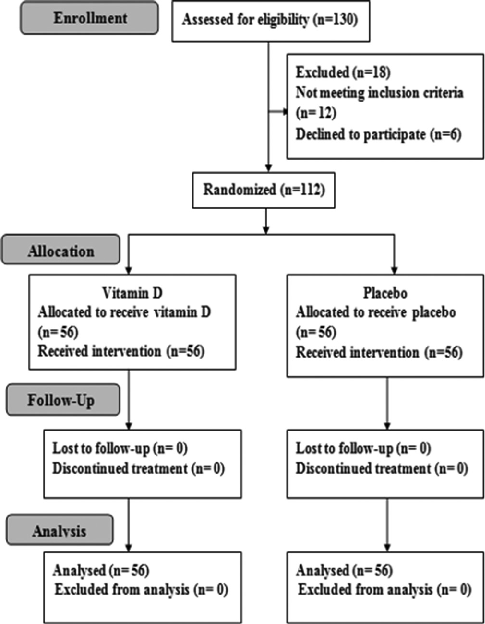
Flow chart of the randomized controlled trial evaluating vitamin D supplementation in adolescents with IBS, detailing patient screening, randomization, intervention, and outcome assessment stages.
Vitamin D supplementation in adolescents with irritable bowel syndrome: Is it useful? …
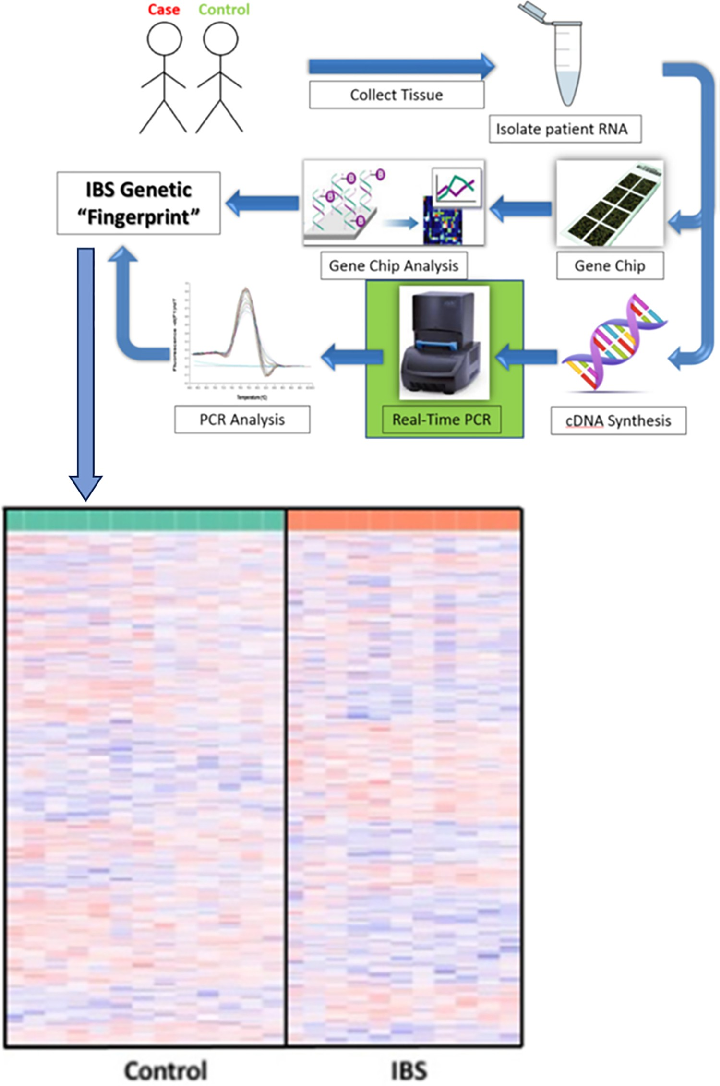
Workflow and DNA microarray analysis. Workflow in the acquisition of an IBS genetic “fingerprint” from patient sample to transcriptomic analysis.
Identification of putative transcriptomic biomarkers in irritable bowel syndrome (IBS): Differential gene …
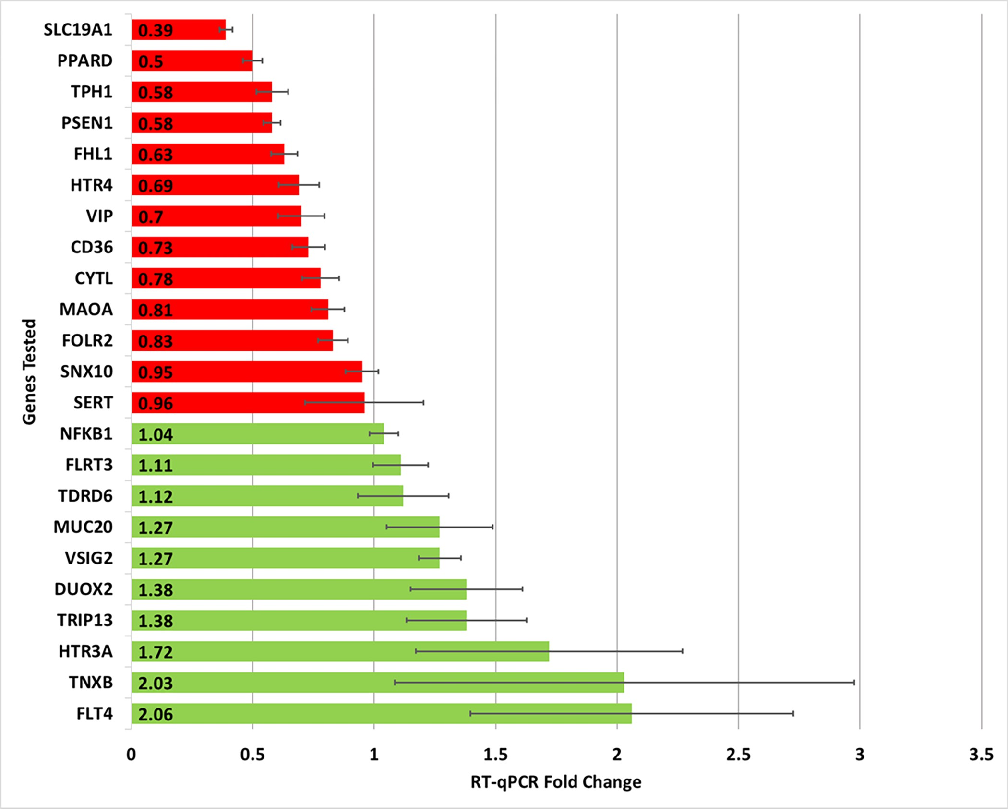
Gene expression fold change in IBS patients relative to control patients using RT-qPCR testing. In total, 29 genes of interest were evaluated with only 23 being reported here (only those genes with at least two independent RT-qPCR plate replicates are included).
Identification of putative transcriptomic biomarkers in irritable bowel syndrome (IBS): Differential gene …
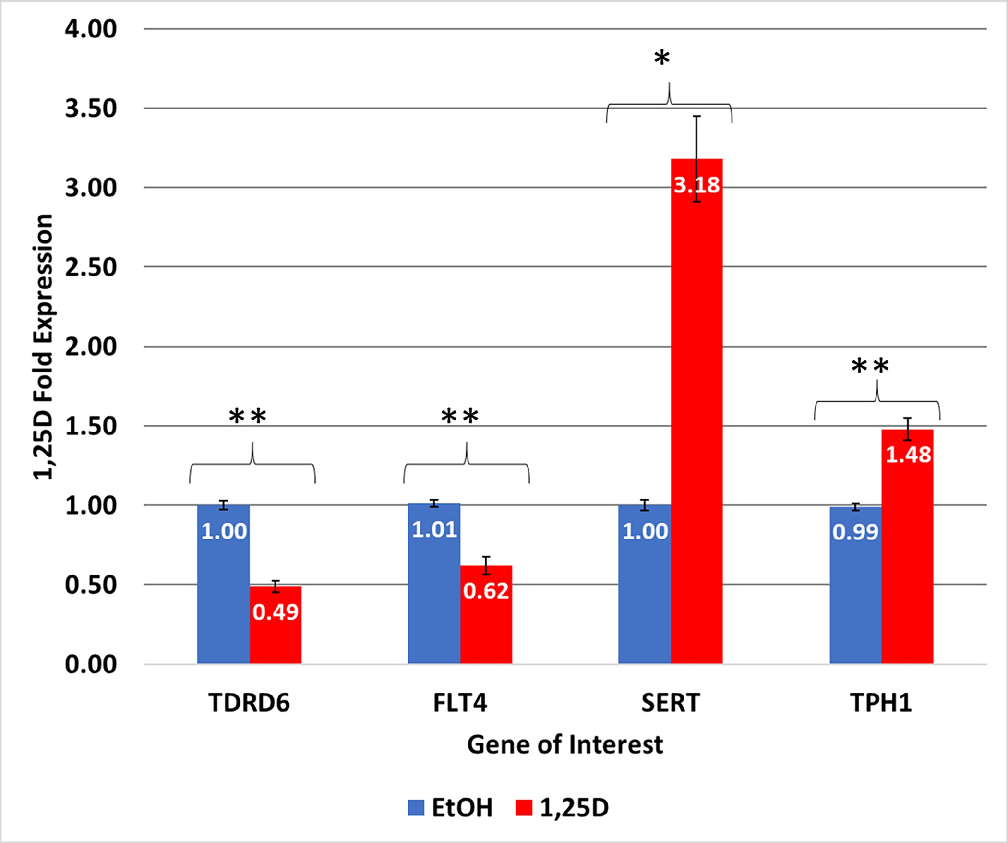
IBS-Associated gene regulation by 1,25D. The mRNA levels of each gene were determined using quantitative real-time polymerase chain reaction (RTqPCR) for a total of three to six replicates.
Identification of putative transcriptomic biomarkers in irritable bowel syndrome (IBS): Differential gene …
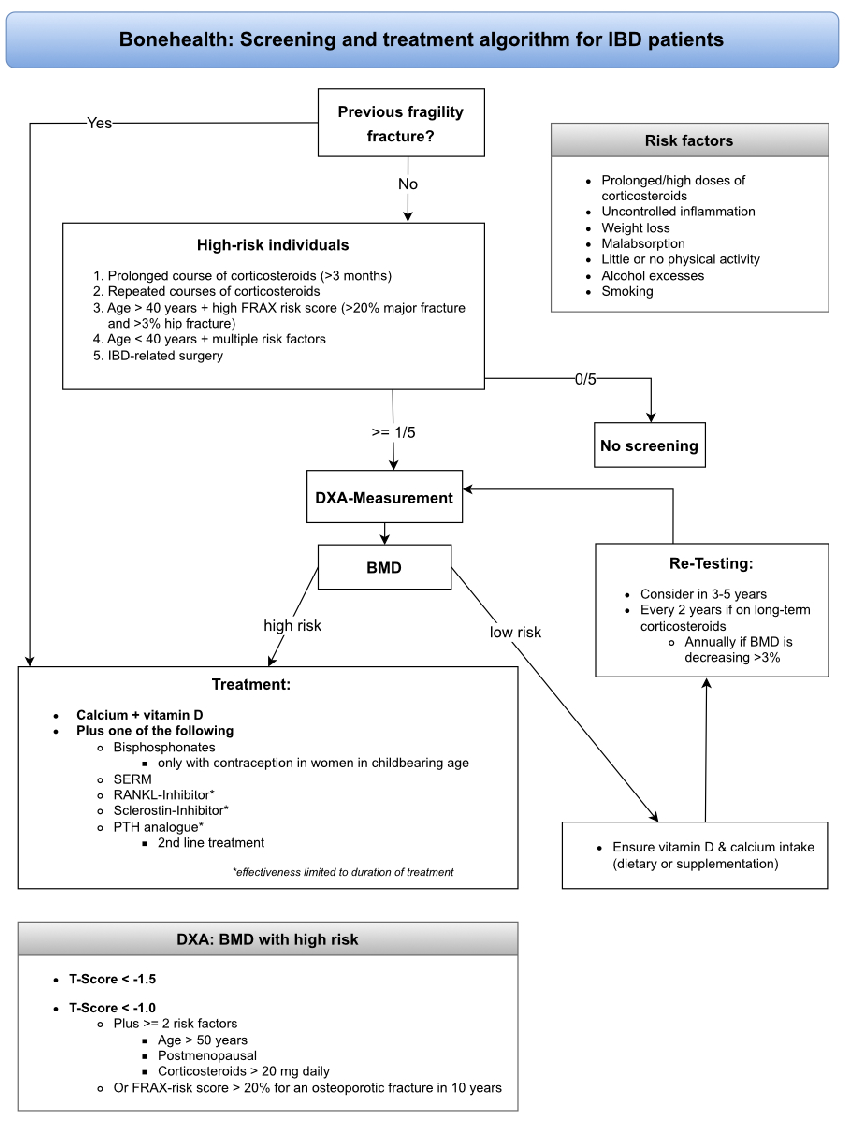
Figure 1 : The screening and treatment algorithm for patients with IBD regarding bone health. This algorithm summarises and simplifies the above screening recommendations and is intended as a practical …
Bone health in patients with inflammatory bowel disease.
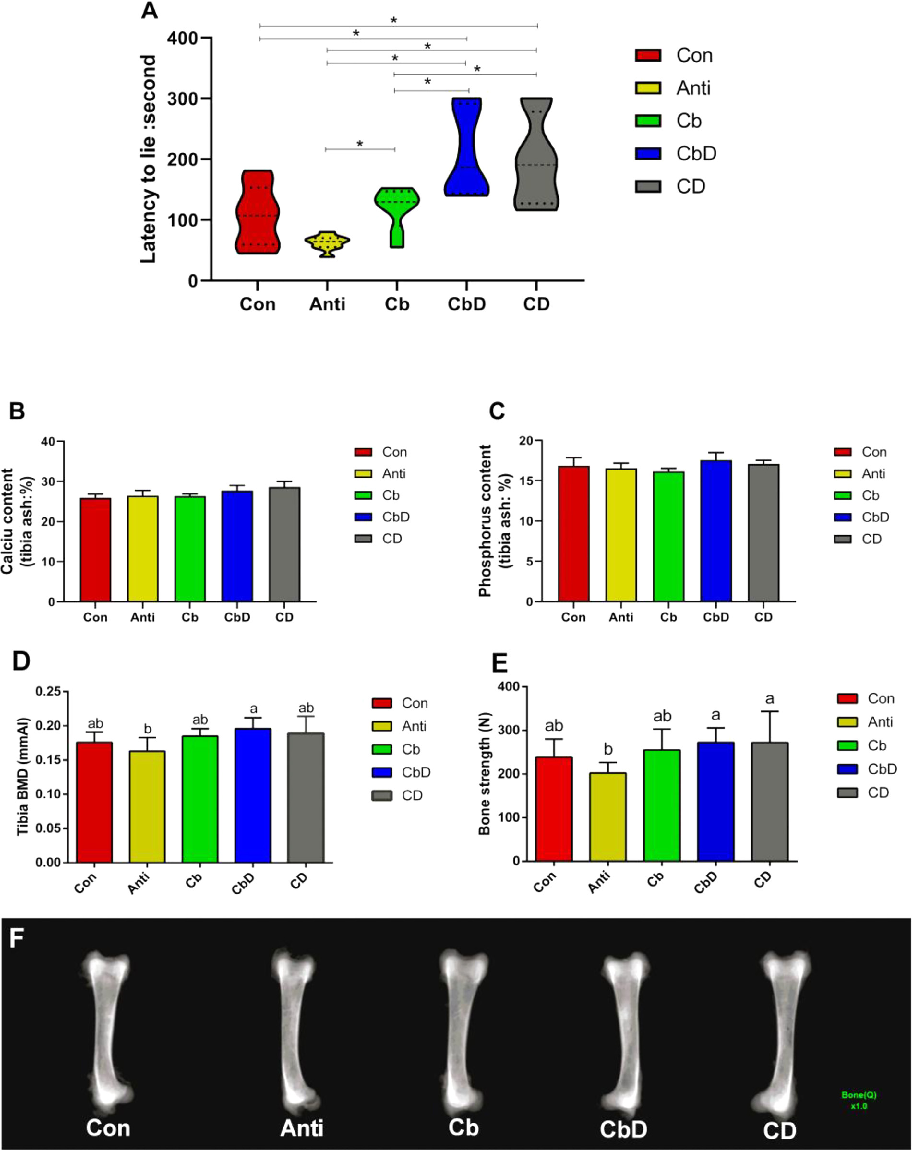
Effects of dietary Clostridium butyricum and 25-hydroxyvitamin D3 supplementation on latency-to-lie time in a poultry model, indicating improvements in leg health and bone strength.
Dietary Clostridium butyricum and 25-Hydroxyvitamin D3 modulate bone metabolism of broilers through …
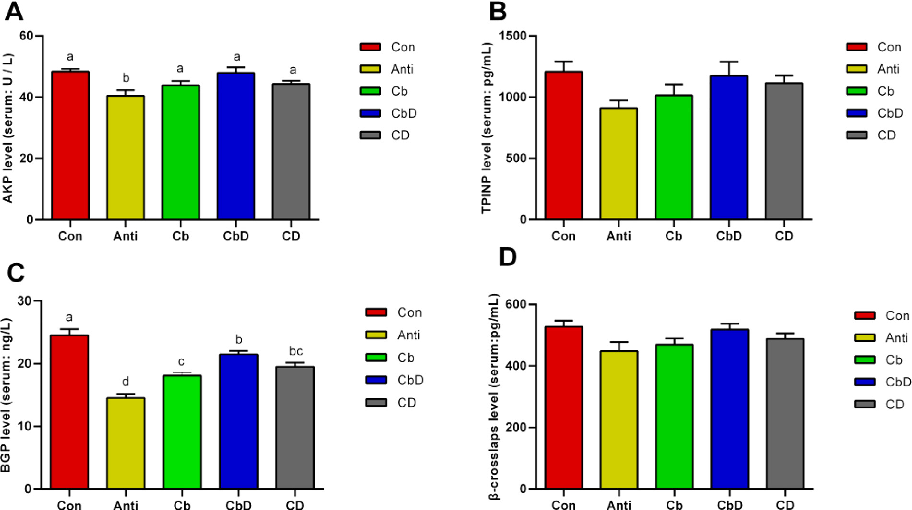
Experimental data from a study on dietary Clostridium butyricum and 25-hydroxyvitamin D3 and their combined effects on bone metabolism through gut microbiota modulation in poultry.
Dietary Clostridium butyricum and 25-Hydroxyvitamin D3 modulate bone metabolism of broilers through …
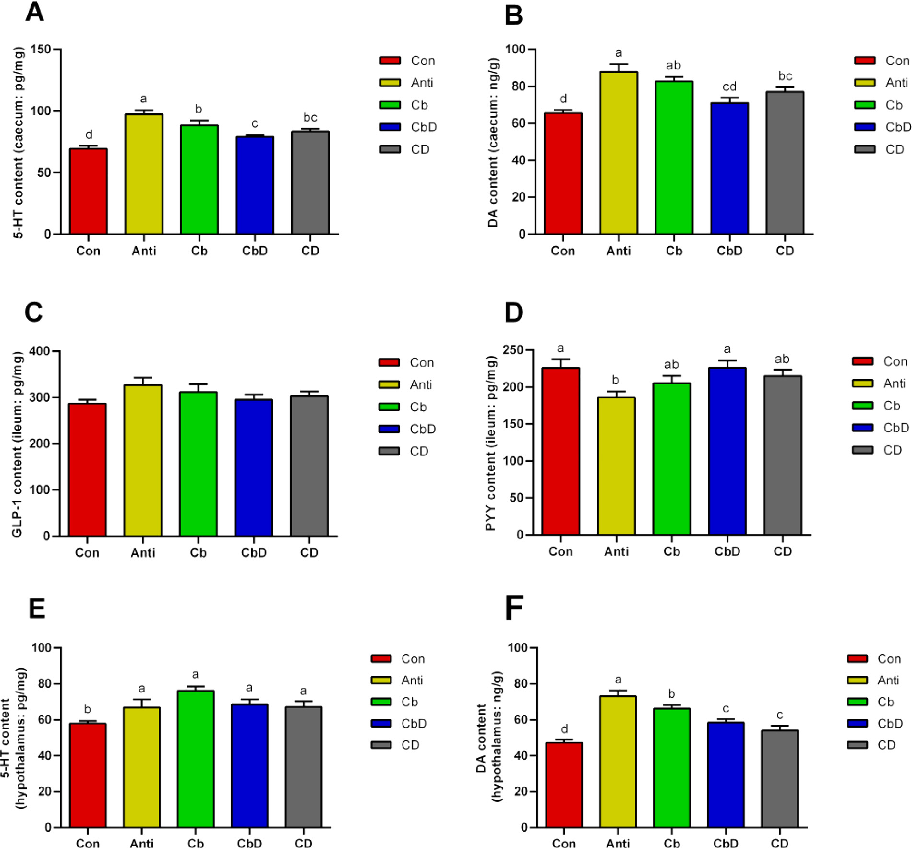
Hypothalamic signaling pathway analysis in poultry fed Clostridium butyricum and 25-hydroxyvitamin D3, examining effects on bone metabolism regulatory mechanisms.
Dietary Clostridium butyricum and 25-Hydroxyvitamin D3 modulate bone metabolism of broilers through …
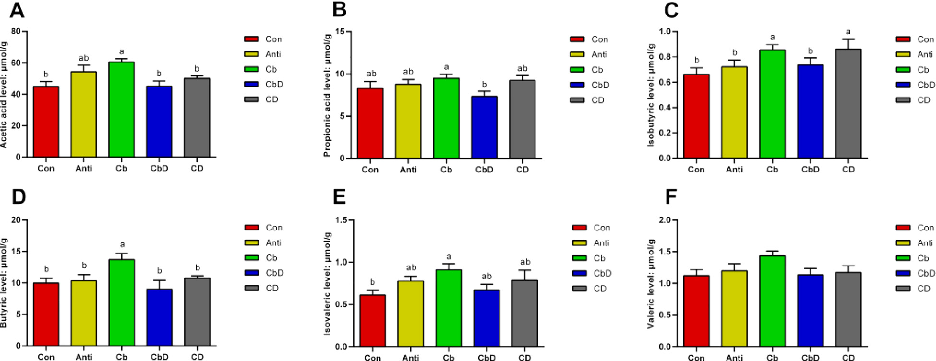
Caecal short-chain fatty acid (SCFA) concentrations in poultry supplemented with Clostridium butyricum and 25-hydroxyvitamin D3, linking gut fermentation products to bone metabolism modulation.
Dietary Clostridium butyricum and 25-Hydroxyvitamin D3 modulate bone metabolism of broilers through …
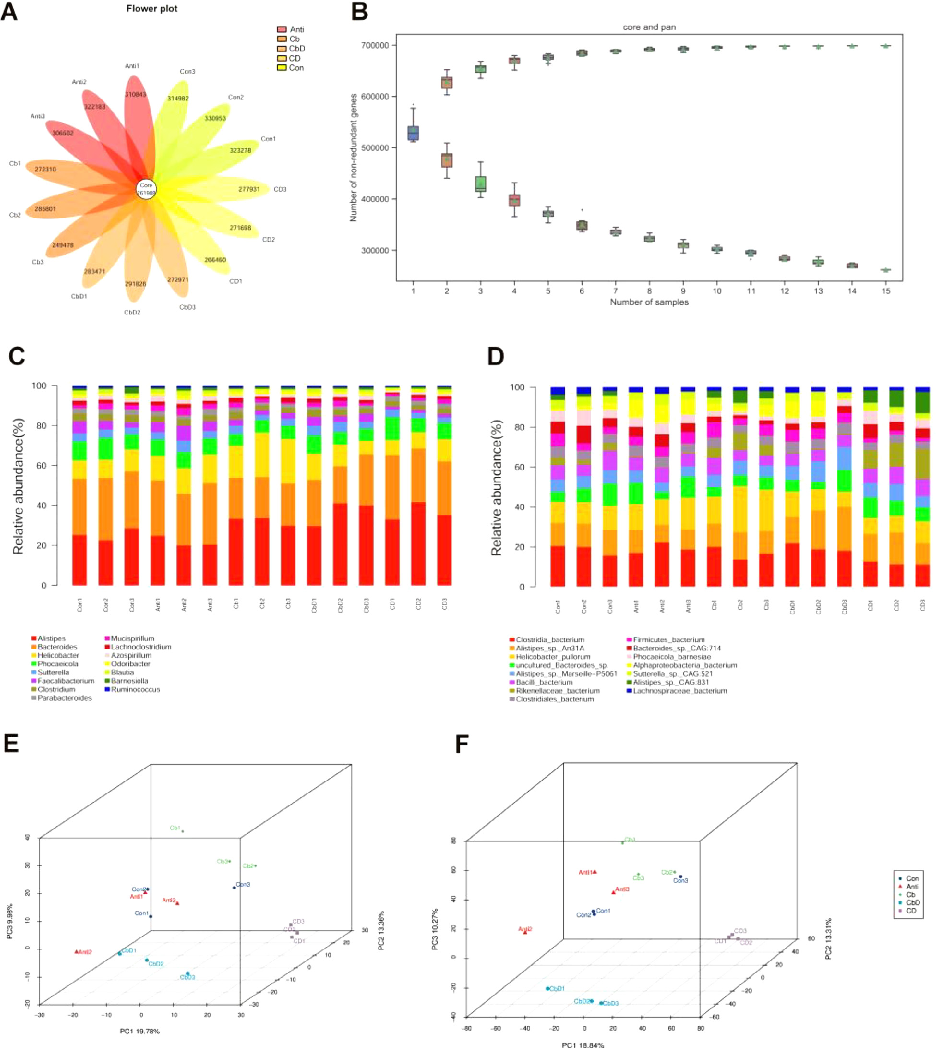
Metagenomic analysis of caecal microbiota in poultry receiving Clostridium butyricum and 25-hydroxyvitamin D3 supplementation, revealing shifts in microbial community structure.
Dietary Clostridium butyricum and 25-Hydroxyvitamin D3 modulate bone metabolism of broilers through …
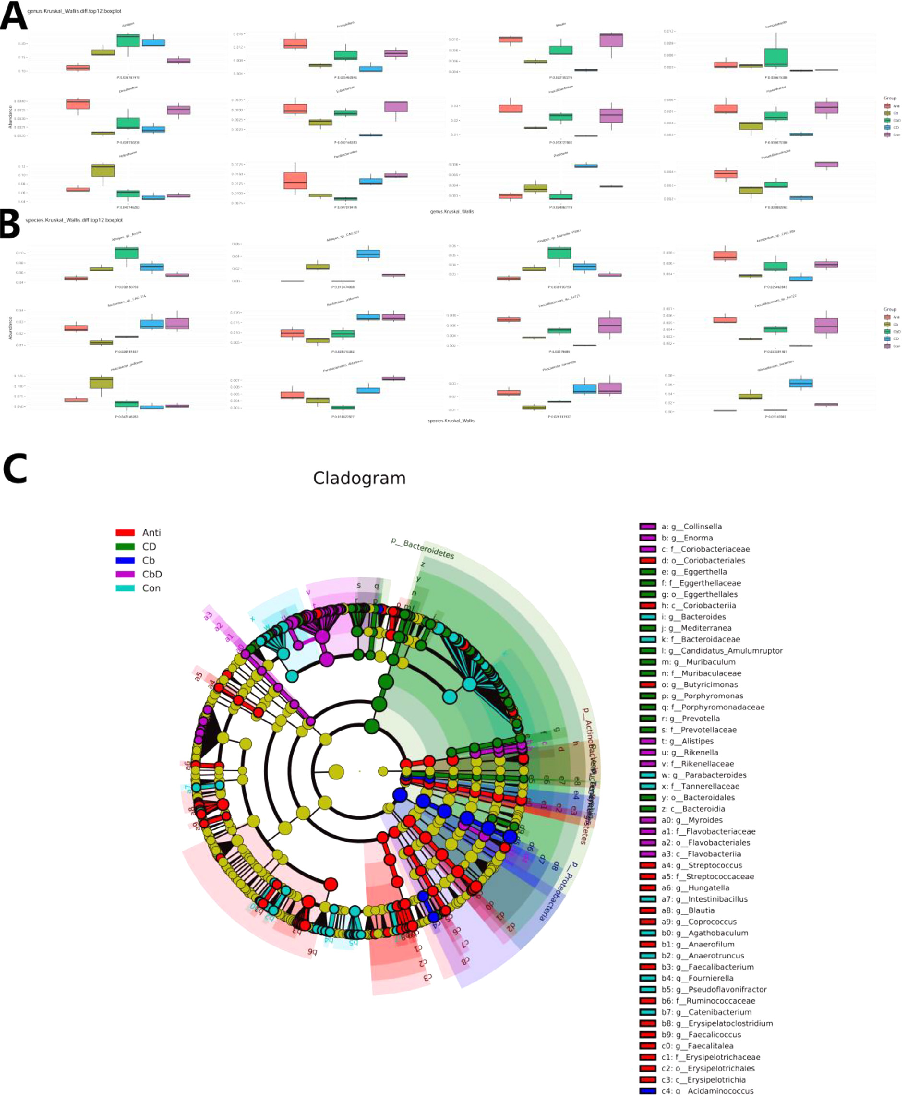
Caecal microbial composition data from poultry treated with Clostridium butyricum and 25-hydroxyvitamin D3, showing taxonomic-level changes associated with improved bone metabolism.
Dietary Clostridium butyricum and 25-Hydroxyvitamin D3 modulate bone metabolism of broilers through …
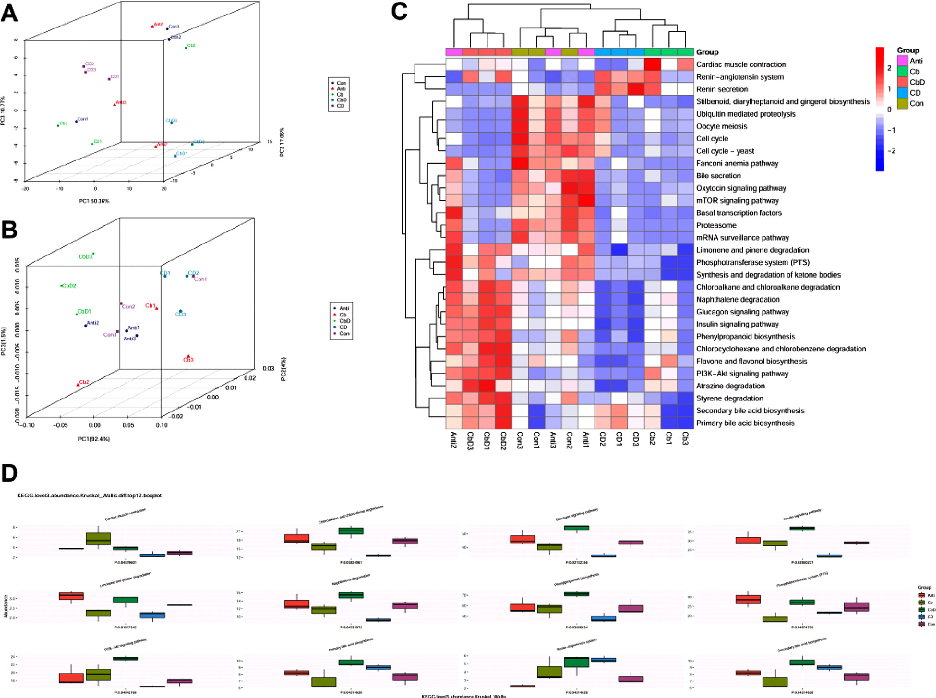
Metagenomic analysis of caecal microbiota in poultry receiving Clostridium butyricum and 25-hydroxyvitamin D3 supplementation, revealing shifts in microbial community structure.
Dietary Clostridium butyricum and 25-Hydroxyvitamin D3 modulate bone metabolism of broilers through …
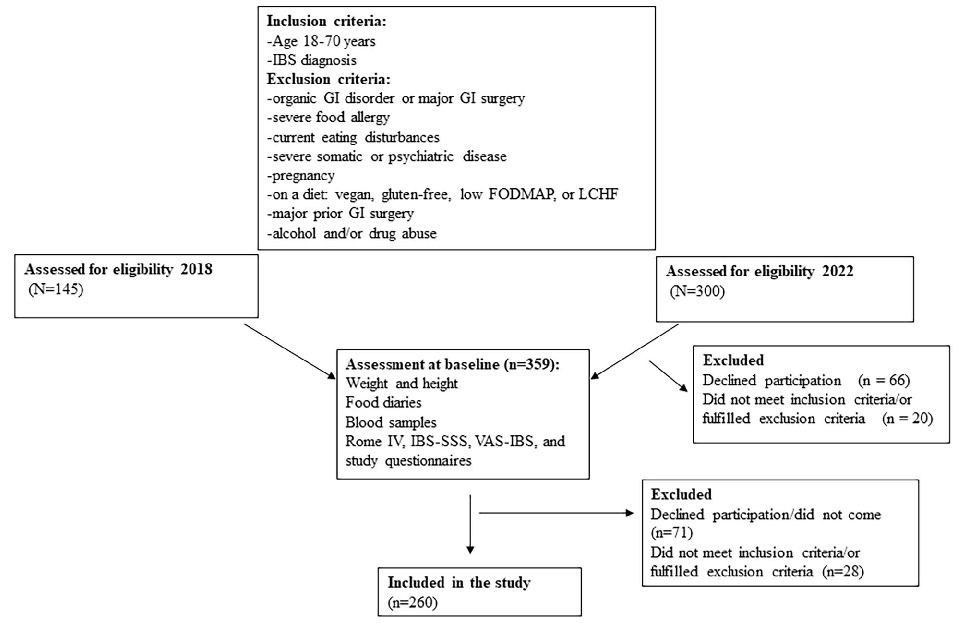
Overweight and vitamin D deficiency are common in patients with irritable bowel …
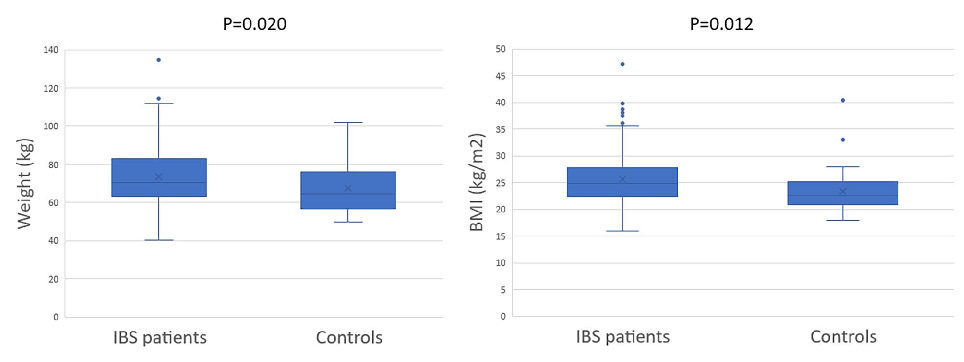
*= combination pills. Values are given as number (percentage). Differences were calculated between the two IBS cohorts by Fisher´s exact test. P< 0.05 was considered statistically significant
Overweight and vitamin D deficiency are common in patients with irritable bowel …
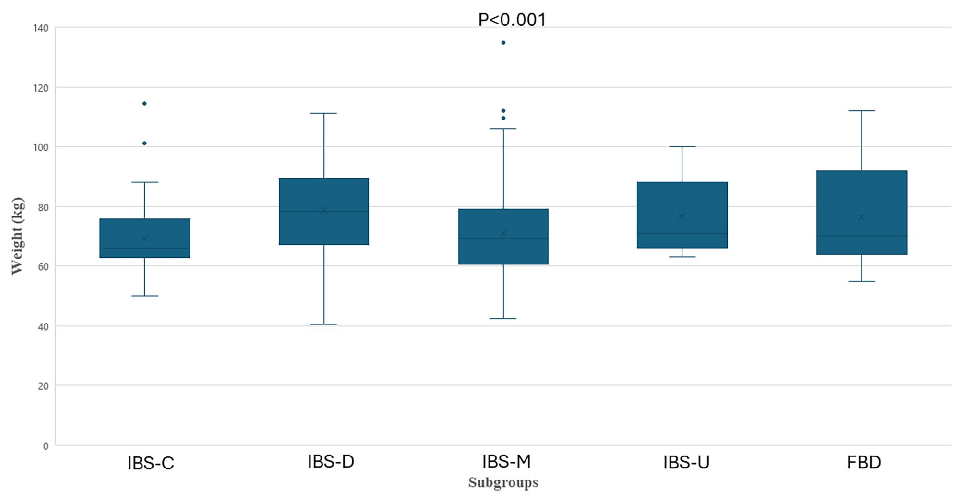
Overweight and vitamin D deficiency are common in patients with irritable bowel …
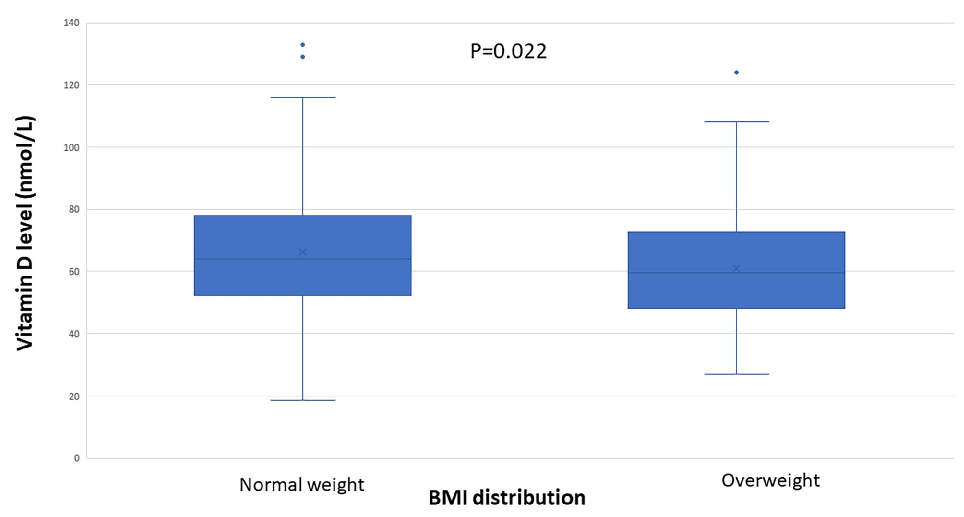
Overweight and vitamin D deficiency are common in patients with irritable bowel …
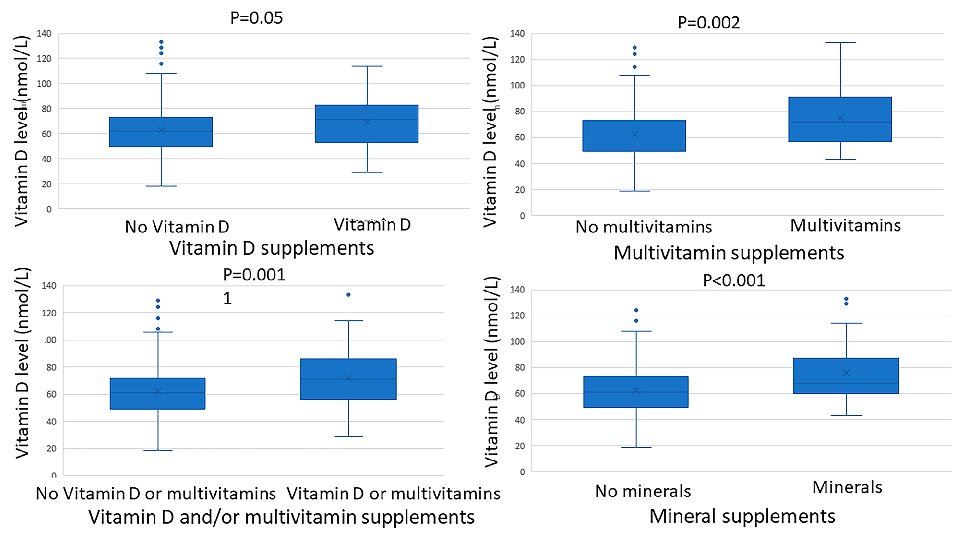
Overweight and vitamin D deficiency are common in patients with irritable bowel …