N-Acetyl Cysteine (NAC) Figure
6 figure da ricerca revisionata da esperti
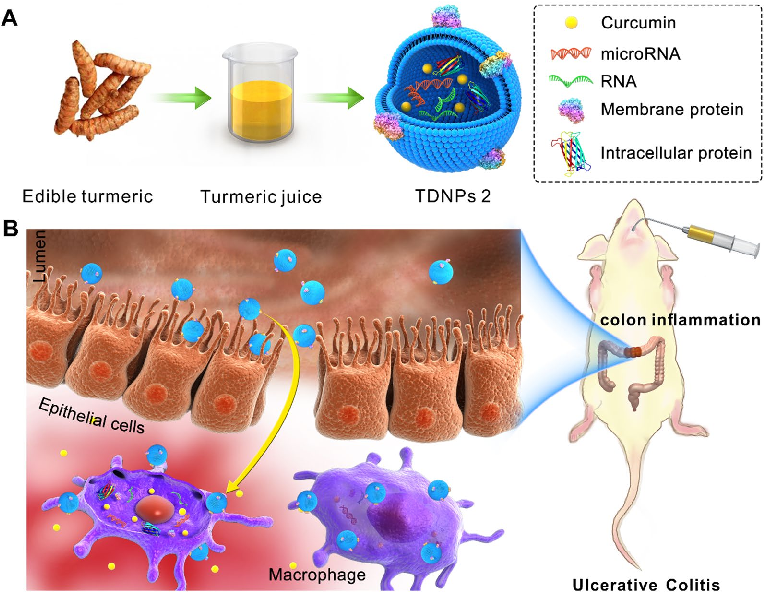
Turmeric-derived nanoparticles (TDNPs 2) are isolated through sucrose gradient ultracentrifugation and administered orally to target inflamed colonic tissue in a murine colitis model. The schematic outlines the isolation workflow from edible turmeric to purified nanovesicles.
Oral administration of turmeric-derived exosome-like nanovesicles with anti-inflammatory and pro-resolving bioactions for …
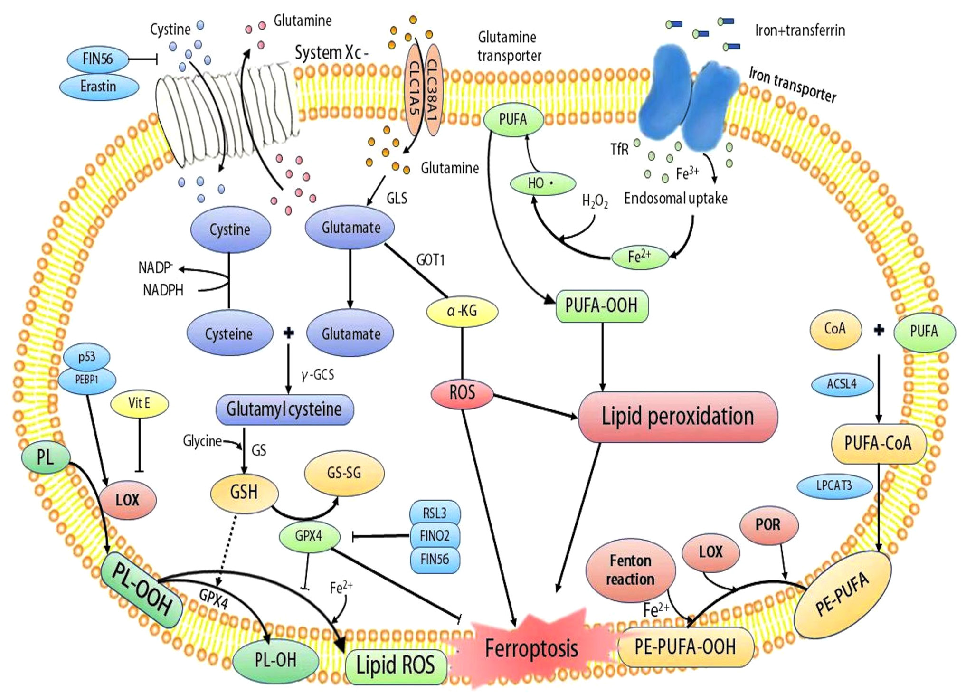
Mechanistic diagram illustrating the role of ferroptosis — characterized by iron accumulation, lipid peroxidation, and ROS production — in the pathogenesis of inflammatory bowel disease and its potential as a therapeutic target.
Role of ferroptosis in the pathogenesis and as a therapeutic target of …
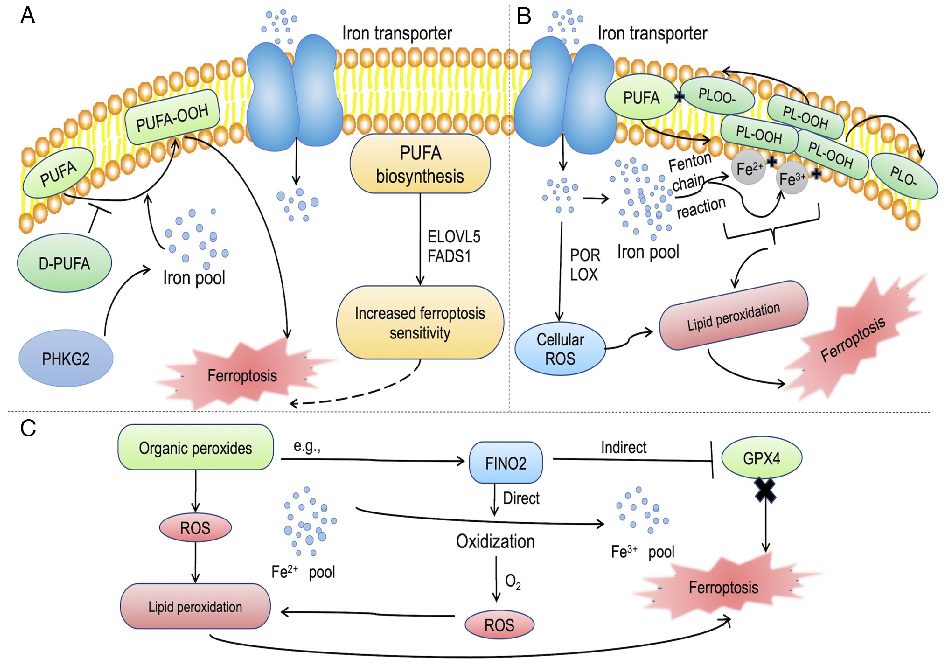
Mechanistic diagram illustrating the role of ferroptosis — characterized by iron accumulation, lipid peroxidation, and ROS production — in the pathogenesis of inflammatory bowel disease and its potential as a therapeutic target.
Role of ferroptosis in the pathogenesis and as a therapeutic target of …
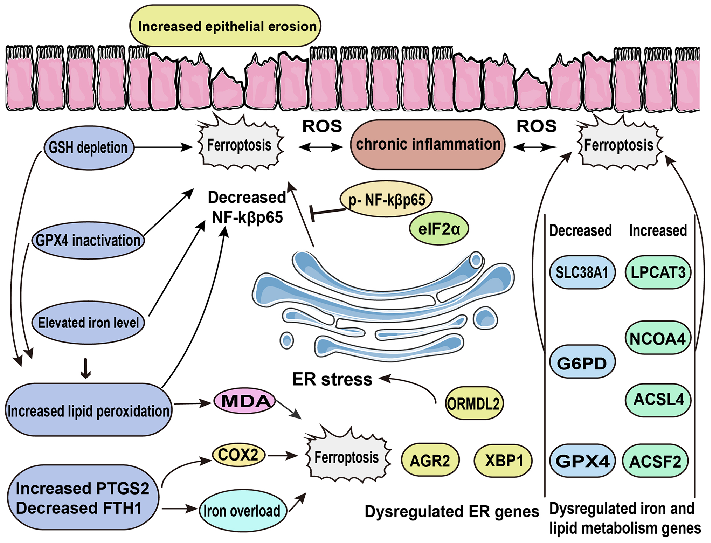
Mechanistic diagram illustrating the role of ferroptosis — characterized by iron accumulation, lipid peroxidation, and ROS production — in the pathogenesis of inflammatory bowel disease and its potential as a therapeutic target.
Role of ferroptosis in the pathogenesis and as a therapeutic target of …
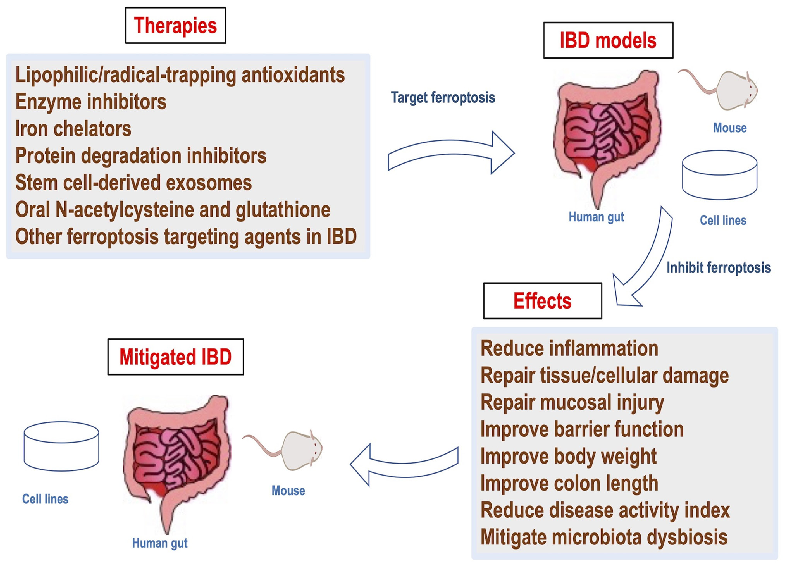
Mechanistic diagram illustrating the role of ferroptosis — characterized by iron accumulation, lipid peroxidation, and ROS production — in the pathogenesis of inflammatory bowel disease and its potential as a therapeutic target.
Role of ferroptosis in the pathogenesis and as a therapeutic target of …
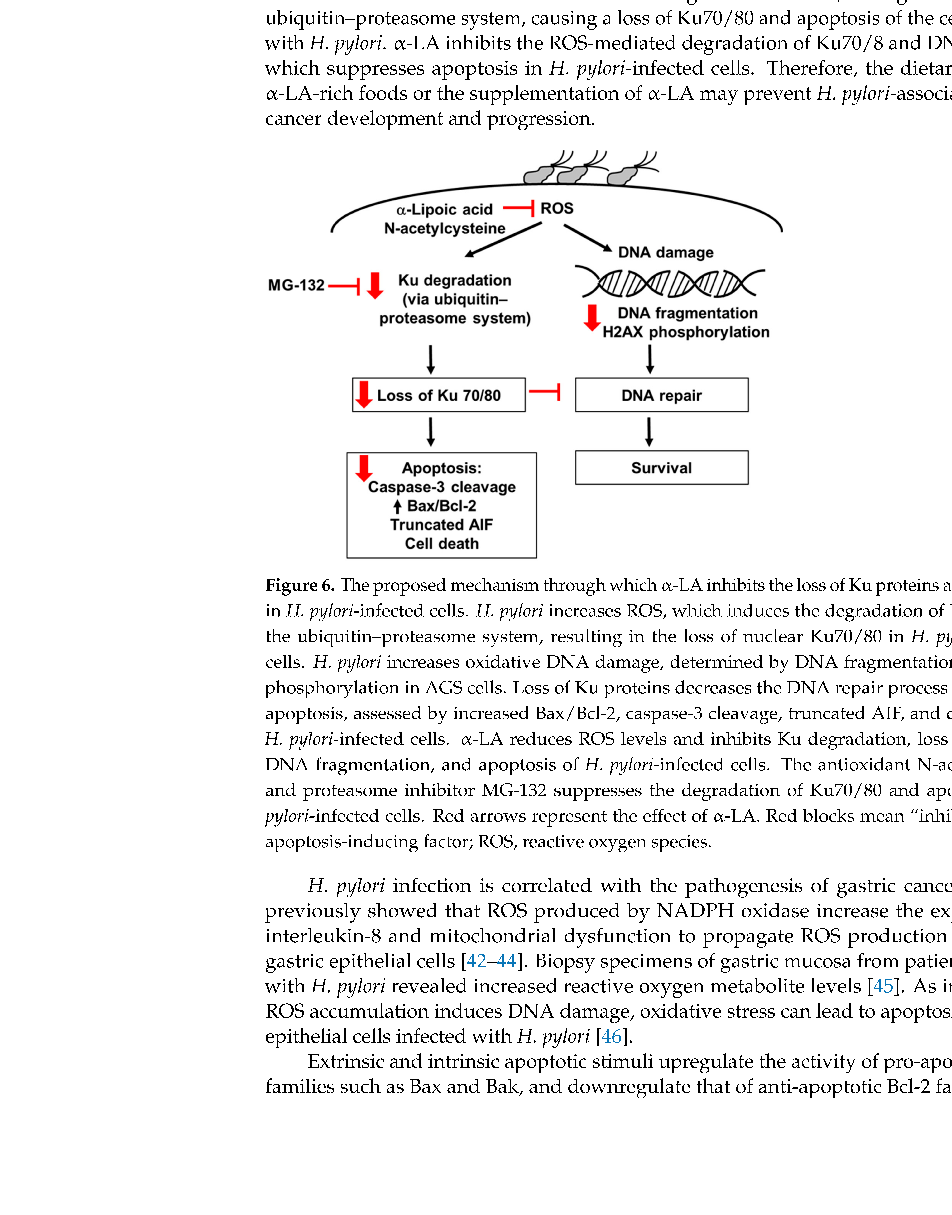
Signaling pathway analysis showing the molecular mechanism by which alpha-lipoic acid preserves Ku protein levels and inhibits apoptosis in H. pylori-infected gastric cells.
α-Lipoic Acid Inhibits Apoptosis by Suppressing the Loss of Ku Proteins in …