Psyllium Husk Figures
18 figures issues de recherches évaluées par des pairs
The Canadian Association of Gastroenterology clinical practice guideline provides an evidence-based framework for managing irritable bowel syndrome, covering diagnosis, dietary modifications, pharmacological treatments, and psychological interventions.
Canadian Association of Gastroenterology Clinical Practice Guideline for the Management of Irritable …
Diagnostic criteria for IBS rely on symptom-based assessment using Rome IV criteria, with limited use of diagnostic tests. Serological screening for celiac disease is recommended as part of the initial evaluation.
Canadian Association of Gastroenterology Clinical Practice Guideline for the Management of Irritable …
Evidence evaluation for probiotic therapies in IBS suggests overall benefit, particularly with combination probiotic preparations. Strain-specific recommendations remain difficult due to heterogeneity in study designs and products evaluated.
Canadian Association of Gastroenterology Clinical Practice Guideline for the Management of Irritable …
Dietary interventions for IBS include the low-FODMAP diet, which has demonstrated efficacy in reducing bloating, abdominal pain, and altered bowel habits. A dietitian-guided three-phase approach (restriction, reintroduction, personalization) is recommended.
Canadian Association of Gastroenterology Clinical Practice Guideline for the Management of Irritable …

Polyethylene glycol 3350 is evaluated for IBS with constipation based on two RCTs totaling 181 patients. Evidence supports its use for improving stool consistency, though effects on abdominal pain are less consistent.
Canadian Association of Gastroenterology Clinical Practice Guideline for the Management of Irritable …
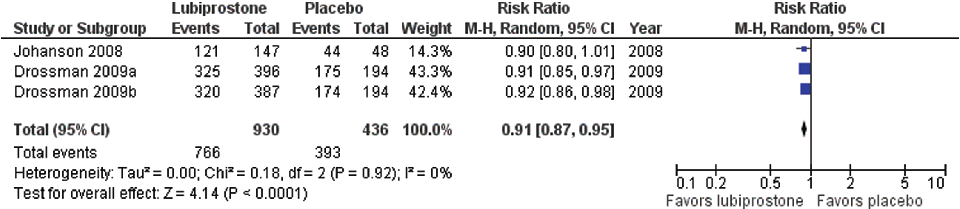
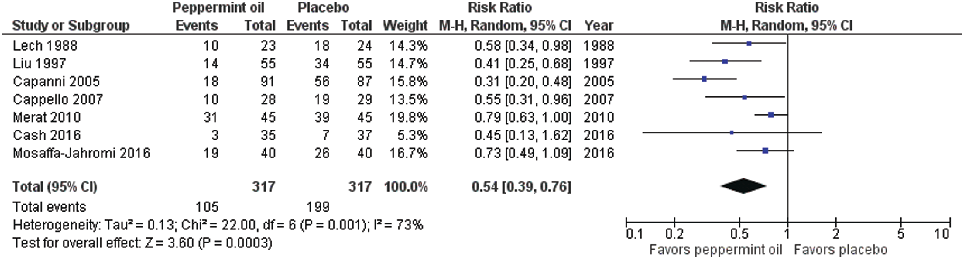
Antispasmodic agents including peppermint oil, pinaverium, and trimebutine receive conditional recommendations for IBS symptom management. Evidence quality varies across specific agents.
Canadian Association of Gastroenterology Clinical Practice Guideline for the Management of Irritable …
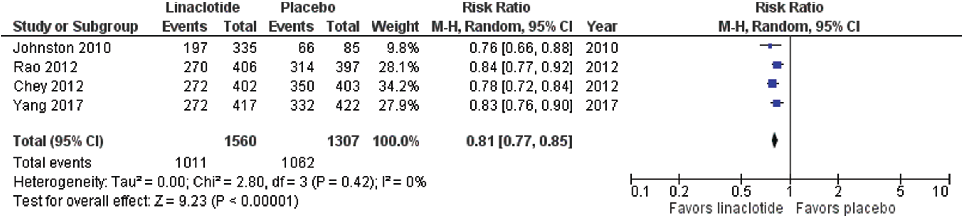
An algorithmic approach to IBS management stratifies treatment by predominant bowel habit (IBS-C, IBS-D, IBS-M) and symptom severity. First-line interventions include dietary modification and fiber supplementation.
Canadian Association of Gastroenterology Clinical Practice Guideline for the Management of Irritable …
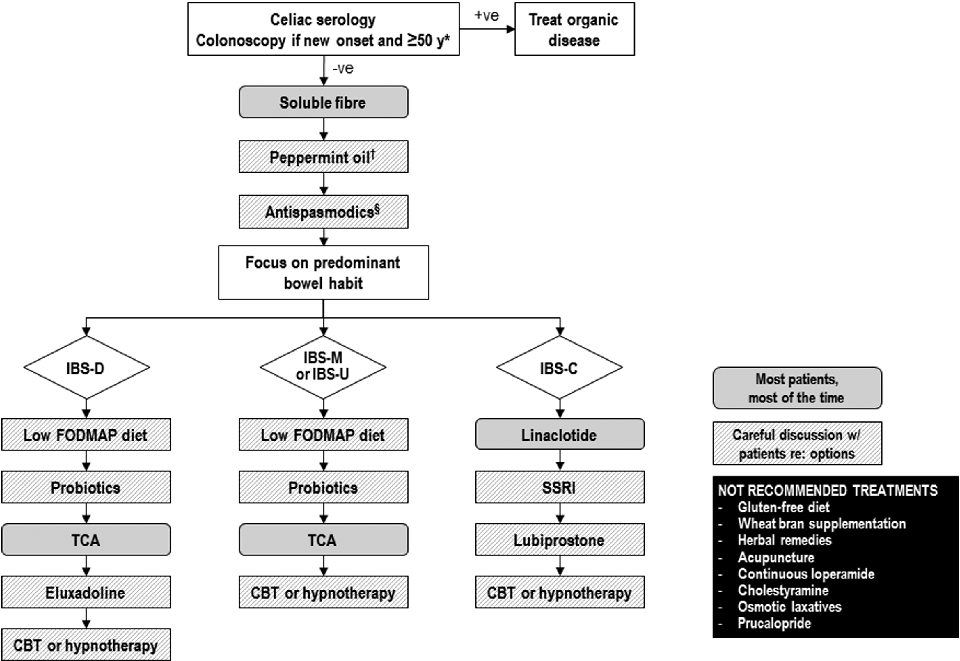
Summary recommendations across all therapeutic categories for IBS are presented with corresponding evidence quality ratings and strength of recommendation. The guideline emphasizes shared decision-making with patients.
Canadian Association of Gastroenterology Clinical Practice Guideline for the Management of Irritable …
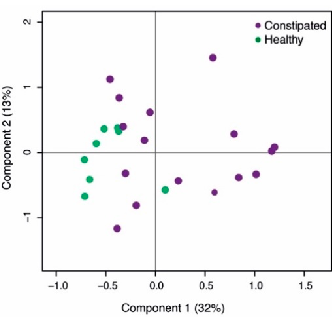
Principal coordinate analysis of baseline microbial communities reveals separation between constipated patients and healthy controls, indicating distinct microbiome configurations associated with chronic constipation.
The Effect of Psyllium Husk on Intestinal Microbiota in Constipated Patients and …
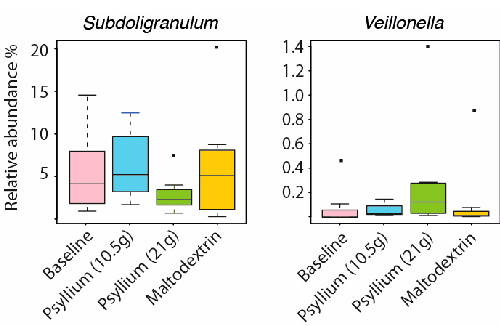
Psyllium supplementation alters the intestinal microbiota of healthy adults, with specific increases in Faecalibacterium and other fiber-fermenting taxa. These changes are consistent with enhanced saccharolytic fermentation.
The Effect of Psyllium Husk on Intestinal Microbiota in Constipated Patients and …
Microbial taxa changes in constipated patients following psyllium supplementation show distinct patterns compared to healthy volunteers. Certain Lachnospiraceae and Ruminococcaceae members increase selectively.
The Effect of Psyllium Husk on Intestinal Microbiota in Constipated Patients and …
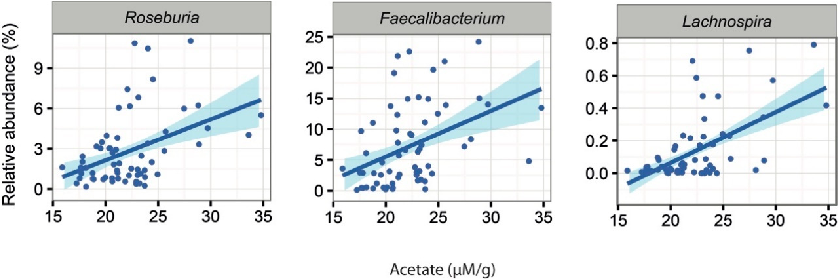
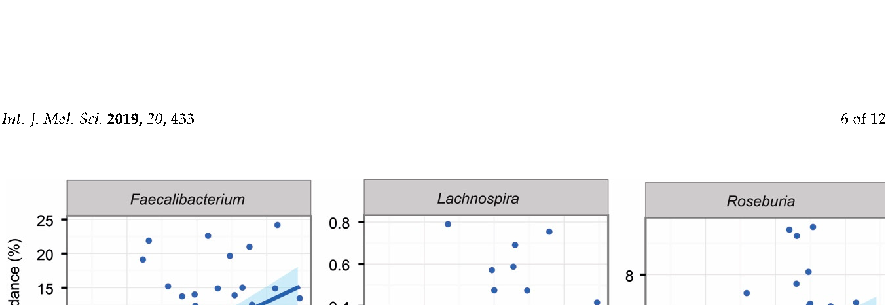
Significant associations between fecal acetate concentrations and specific microbial taxa are identified in constipated patients. Higher Lachnospira and Roseburia abundance correlates with increased acetate production.
The Effect of Psyllium Husk on Intestinal Microbiota in Constipated Patients and …
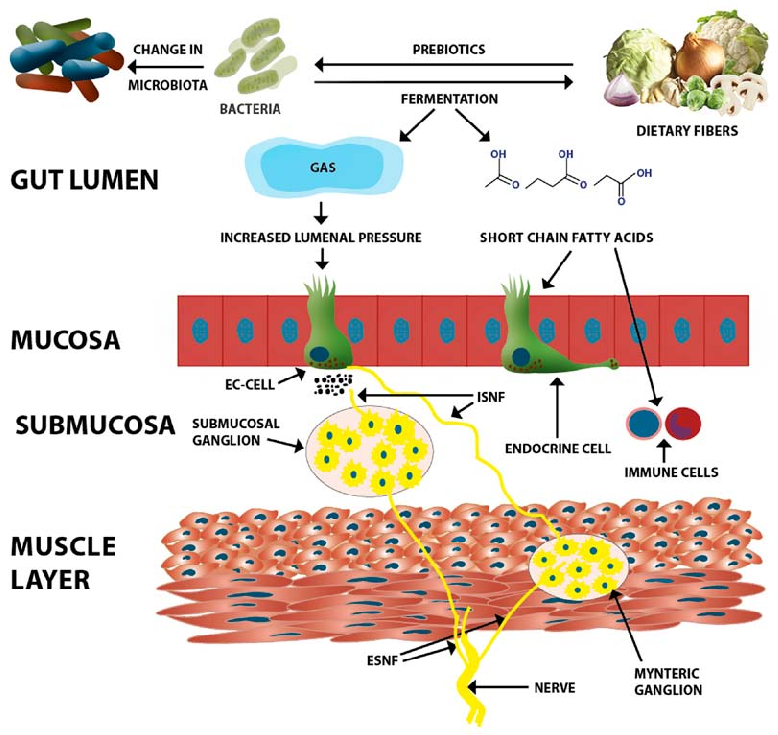
Dietary fiber acts as a prebiotic for intestinal microbiota, promoting growth of beneficial bacteria and production of short-chain fatty acids. This diagram illustrates multiple mechanisms through which fiber affects gastrointestinal function, including modulation of gut microbiome composition and intestinal barrier integrity.
Dietary fiber in irritable bowel syndrome (Review).
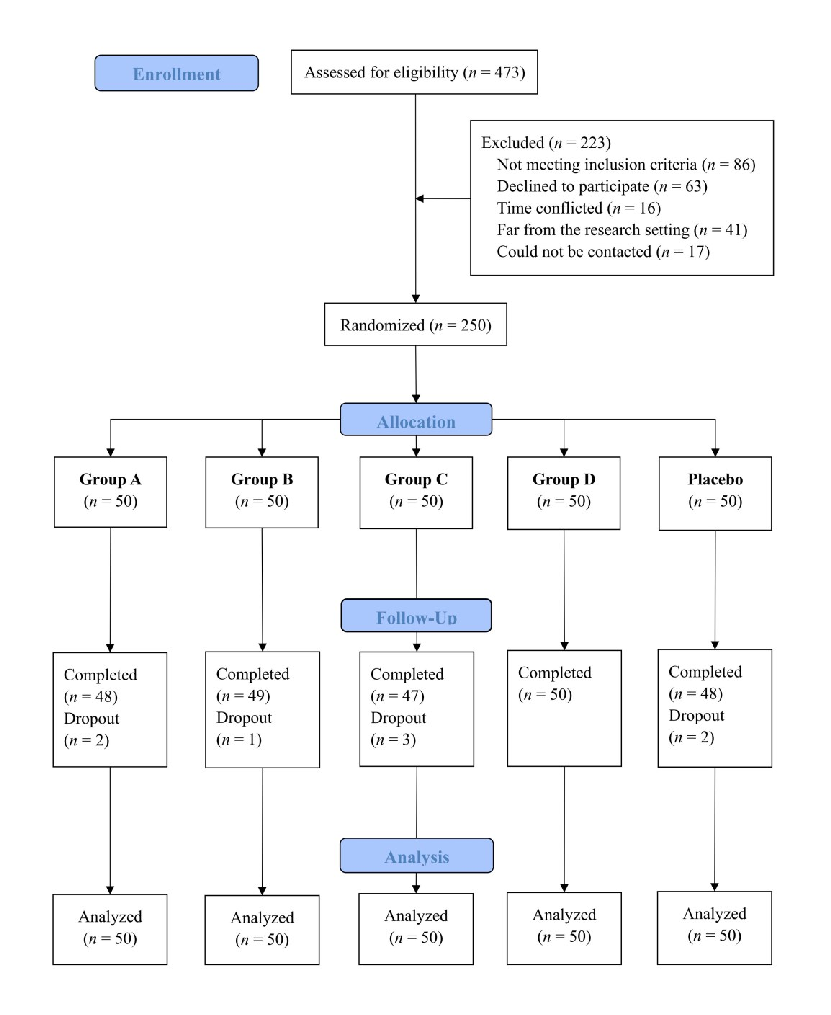
A double-blinded randomized placebo trial evaluated dietary fiber and probiotic formulas for functional constipation. This figure presents the study design, participant flow, or clinical outcomes showing how fiber and probiotic interventions modulated constipation symptoms and gut microbiota.
Effects of dietary fibers or probiotics on functional constipation symptoms and roles …
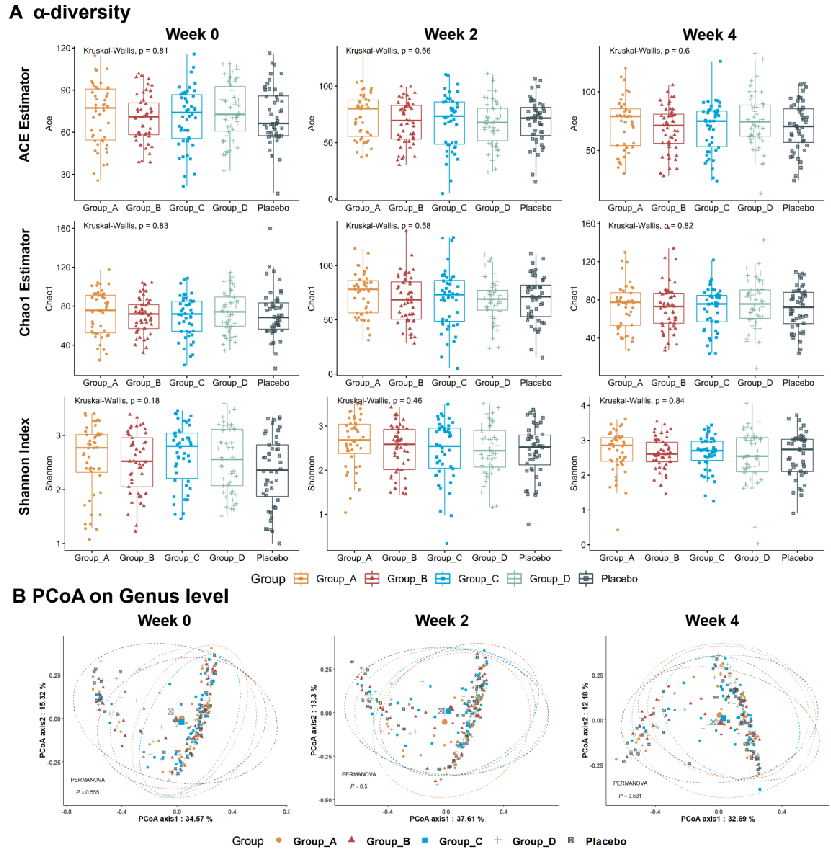
Gut microbiota composition changes were associated with symptom improvement in constipated patients receiving fiber or probiotic supplementation. This figure presents microbiome analysis data identifying bacterial taxa of relevance to constipation relief.
Effects of dietary fibers or probiotics on functional constipation symptoms and roles …
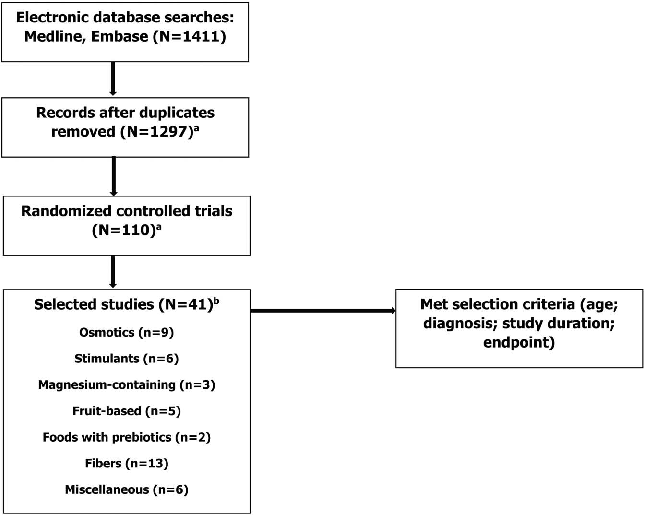
Summary of systematic review findings on over-the-counter therapies for chronic constipation, synthesizing evidence from randomized controlled trials evaluating fiber supplements, osmotic laxatives, and stimulant laxatives.
Efficacy and Safety of Over-the-Counter Therapies for Chronic Constipation: An Updated Systematic …
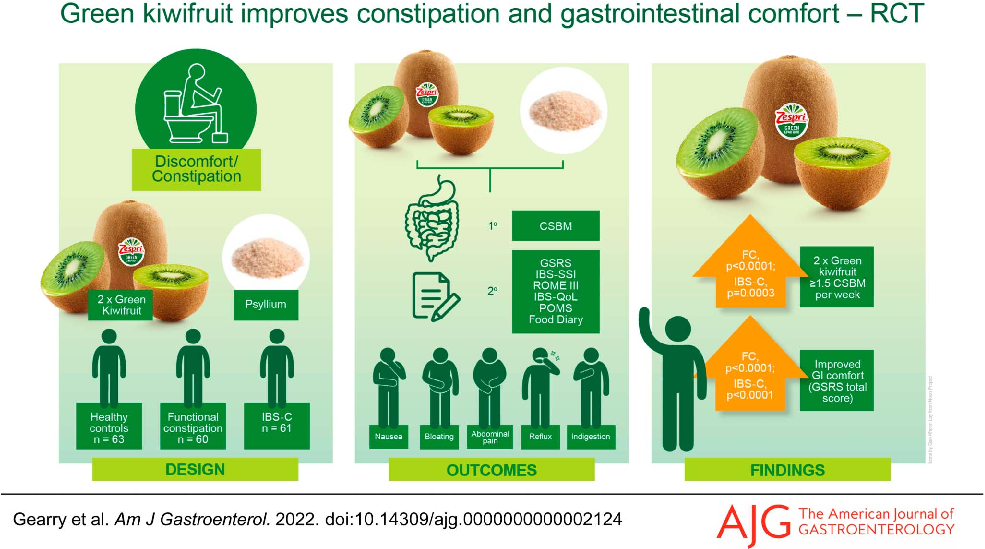
Stool frequency and consistency outcomes from a multicenter randomized controlled trial of green kiwifruit consumption in adults with constipation. Two kiwifruits daily significantly increased bowel movement frequency.
Consumption of 2 Green Kiwifruits Daily Improves Constipation and Abdominal Comfort-Results of …
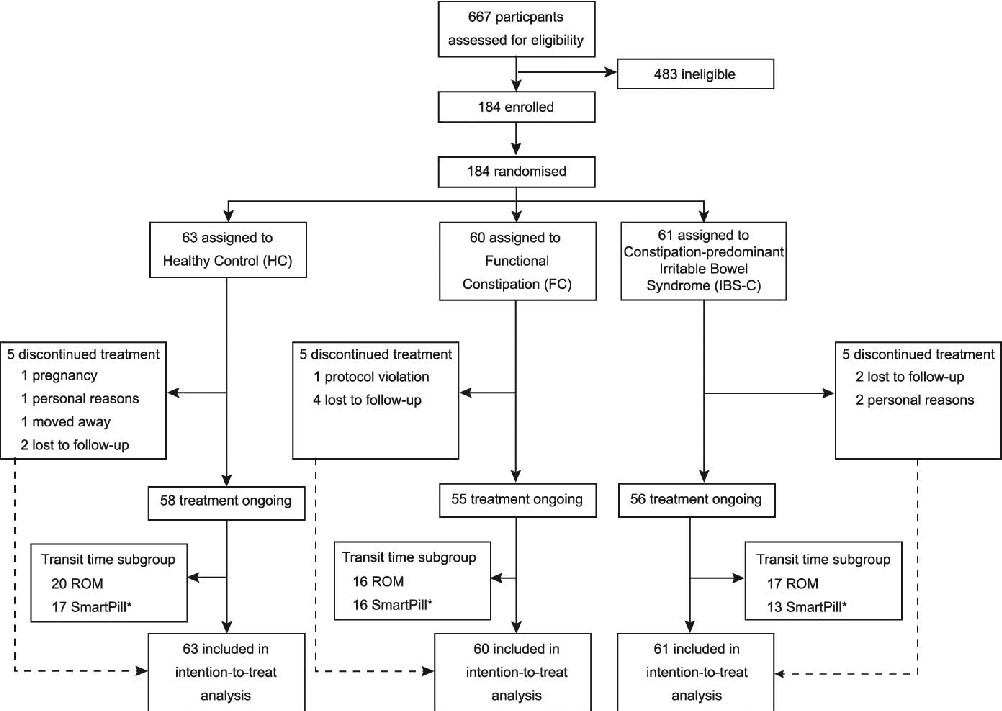
CONSORT flow diagram for the multicenter RCT evaluating green kiwifruit consumption for constipation relief, detailing participant screening, randomization, and follow-up stages.
Consumption of 2 Green Kiwifruits Daily Improves Constipation and Abdominal Comfort-Results of …