Berberine Figures
25 figures issues de recherches évaluées par des pairs
Essential oil compounds from oregano, thyme, and cinnamon demonstrate dose-dependent antimicrobial activity against common poultry pathogens. Their mode of action involves disrupting bacterial cell membrane integrity.
Probiotics, Prebiotics, and Phytogenic Substances for Optimizing Gut Health in Poultry.
Synbiotic combinations in poultry nutrition show additive or synergistic effects compared to individual probiotic or prebiotic supplementation. Performance metrics including feed conversion ratio and weight gain may improve with optimized formulations.
Probiotics, Prebiotics, and Phytogenic Substances for Optimizing Gut Health in Poultry.
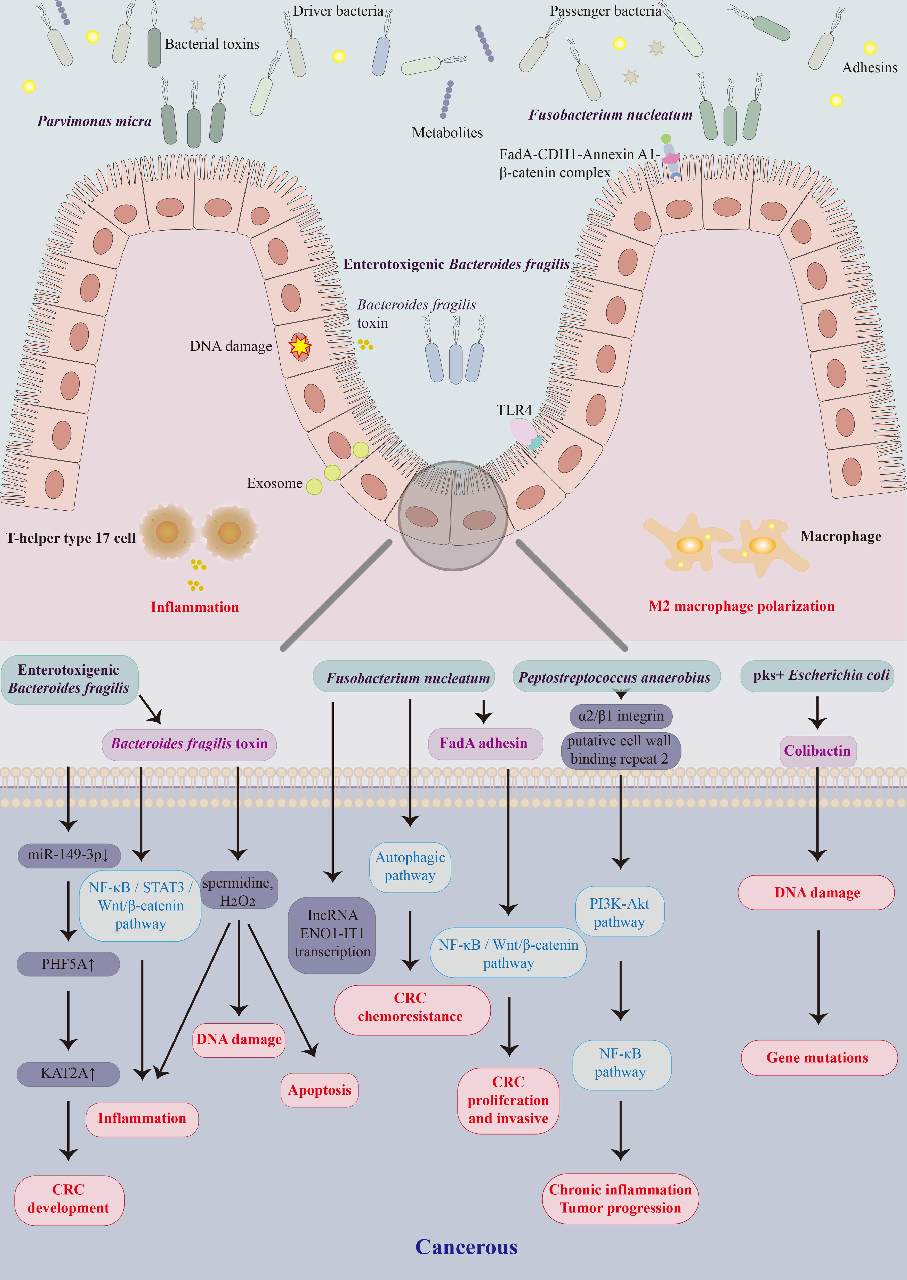
Gut microbiota alterations associated with colorectal cancer in Chinese patient cohorts are characterized, identifying specific bacterial taxa enriched or depleted in tumor-bearing individuals.
Colorectal cancer and gut microbiota studies in China.
Microbial community composition differences between colorectal cancer patients and healthy controls in Chinese studies are visualized, highlighting potential biomarker species.
Colorectal cancer and gut microbiota studies in China.
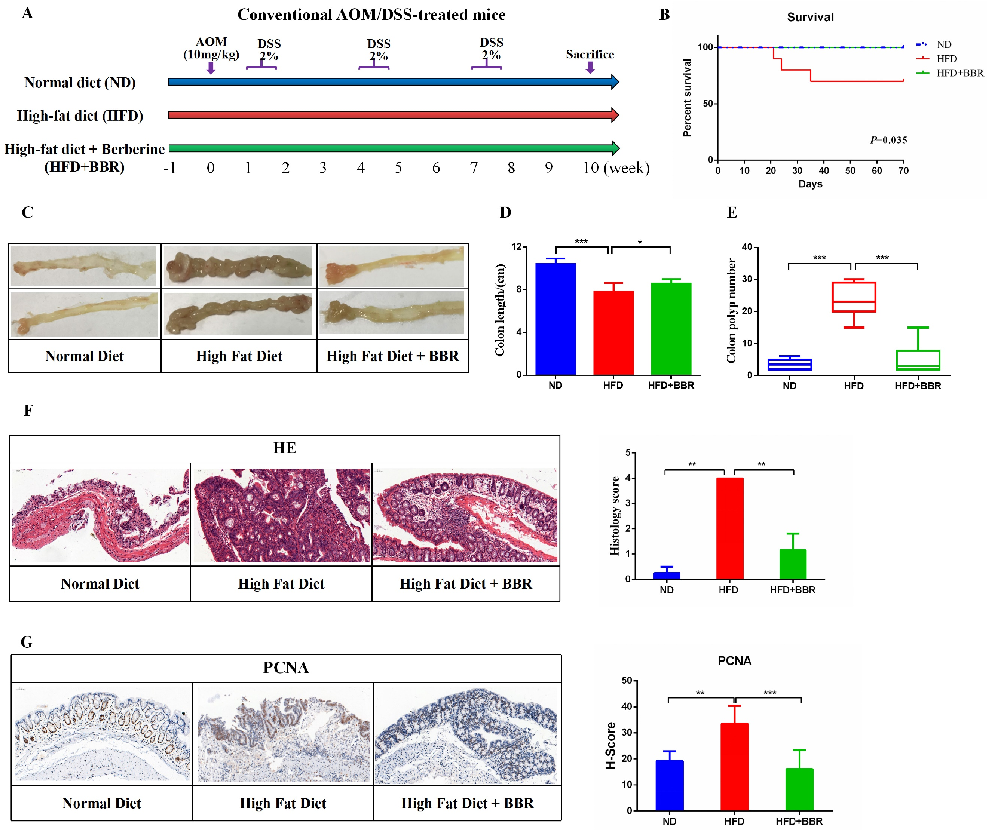
16S rRNA sequencing of gut microbiota reveals that berberine modulates microbial community composition in high-fat diet-fed mice. Specific bacterial genera associated with colorectal cancer risk were reduced in berberine-treated animals.
Berberine inhibits high fat diet-associated colorectal cancer through modulation of the gut …
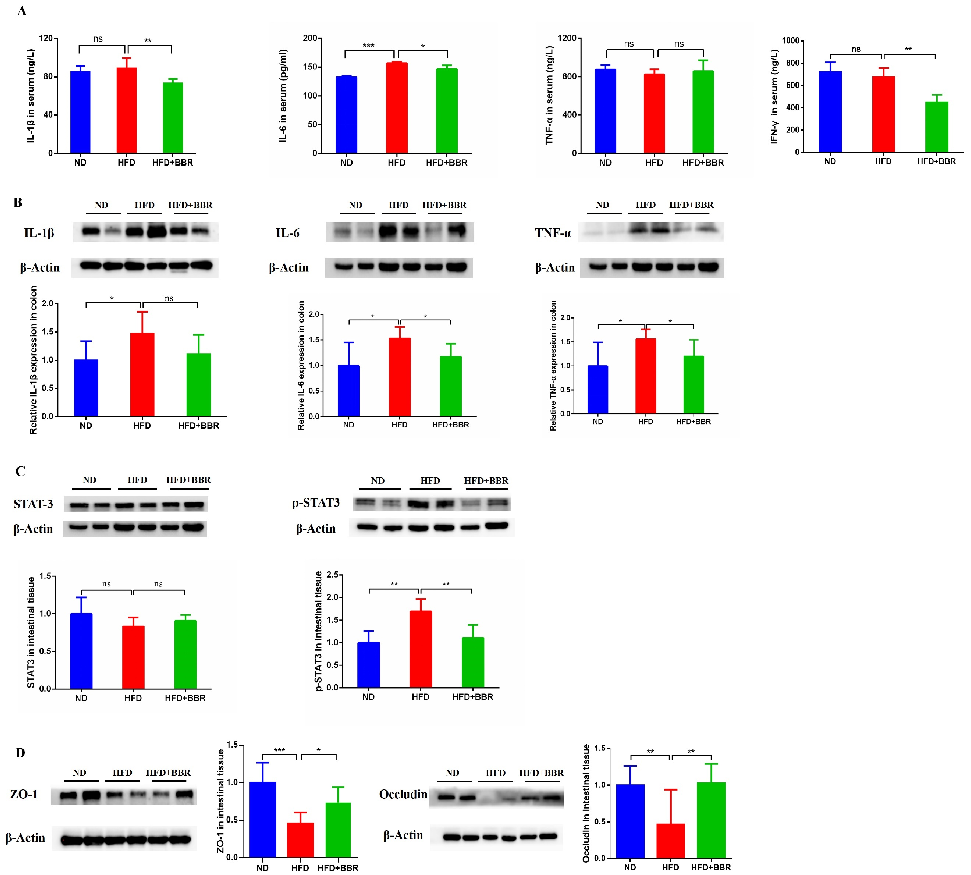
Lysophosphatidic acid signaling pathway components are quantified in colonic tissue. Berberine treatment is associated with downregulation of key enzymes in this pathway, suggesting a mechanism for its anti-tumor effects.
Berberine inhibits high fat diet-associated colorectal cancer through modulation of the gut …
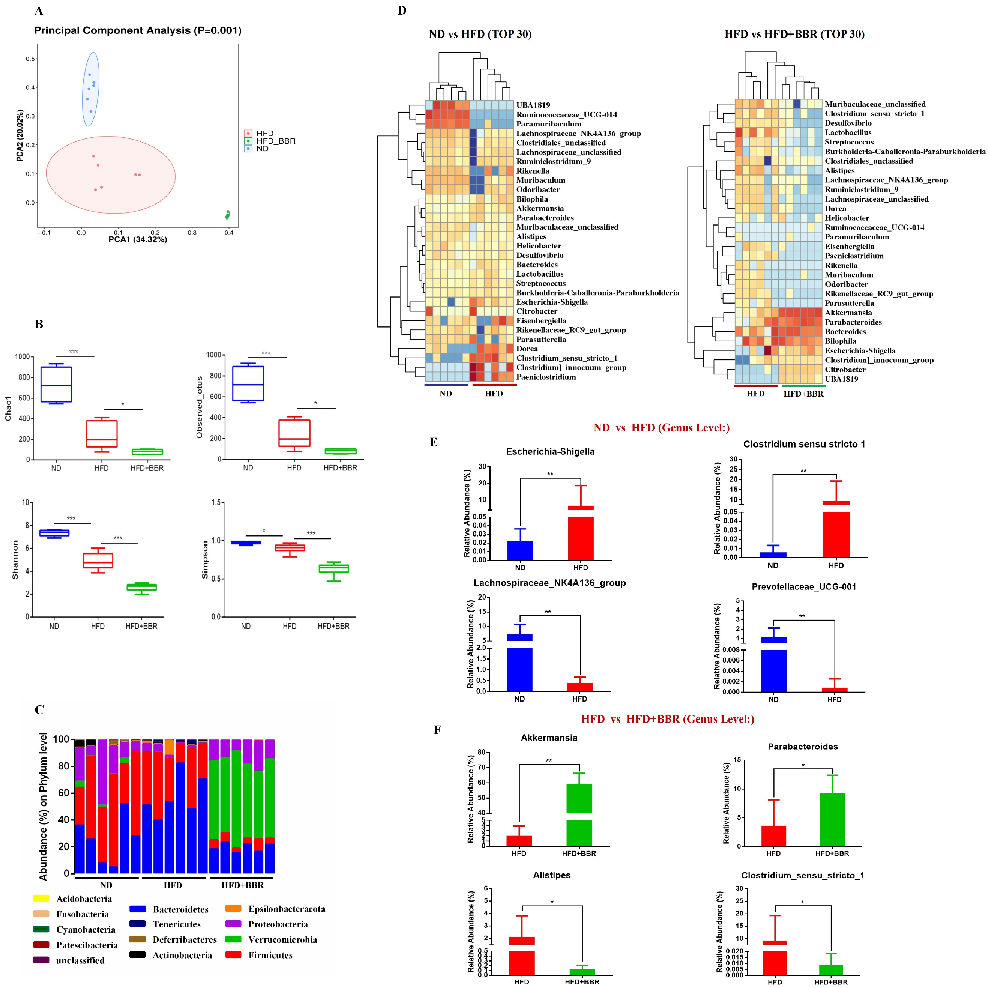
Metabolomic profiling of gut contents identifies lysophosphatidic acid and related lipid metabolites altered by berberine supplementation. Reduced levels of pro-tumorigenic lipids correlate with tumor suppression.
Berberine inhibits high fat diet-associated colorectal cancer through modulation of the gut …
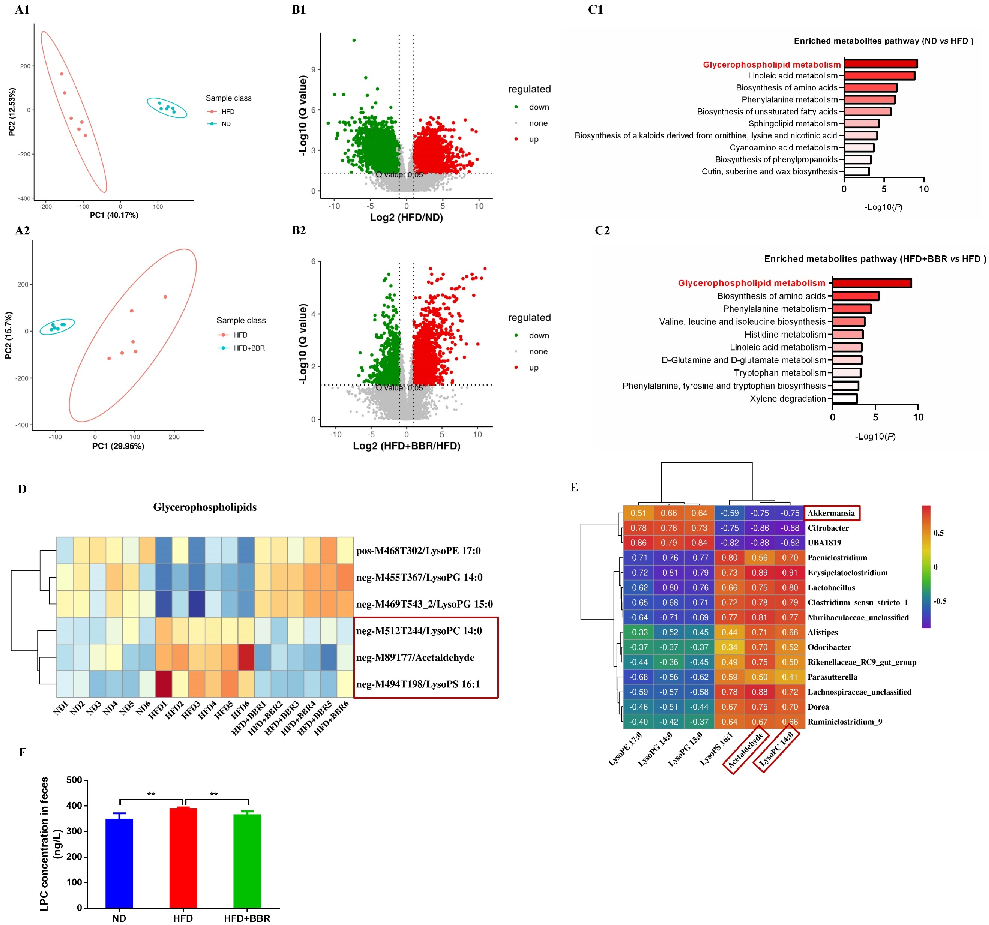
Western blot analysis demonstrates changes in protein expression of key signaling molecules in the lysophosphatidic acid pathway following berberine treatment. Reduced phosphorylation of downstream targets indicates pathway inhibition.
Berberine inhibits high fat diet-associated colorectal cancer through modulation of the gut …
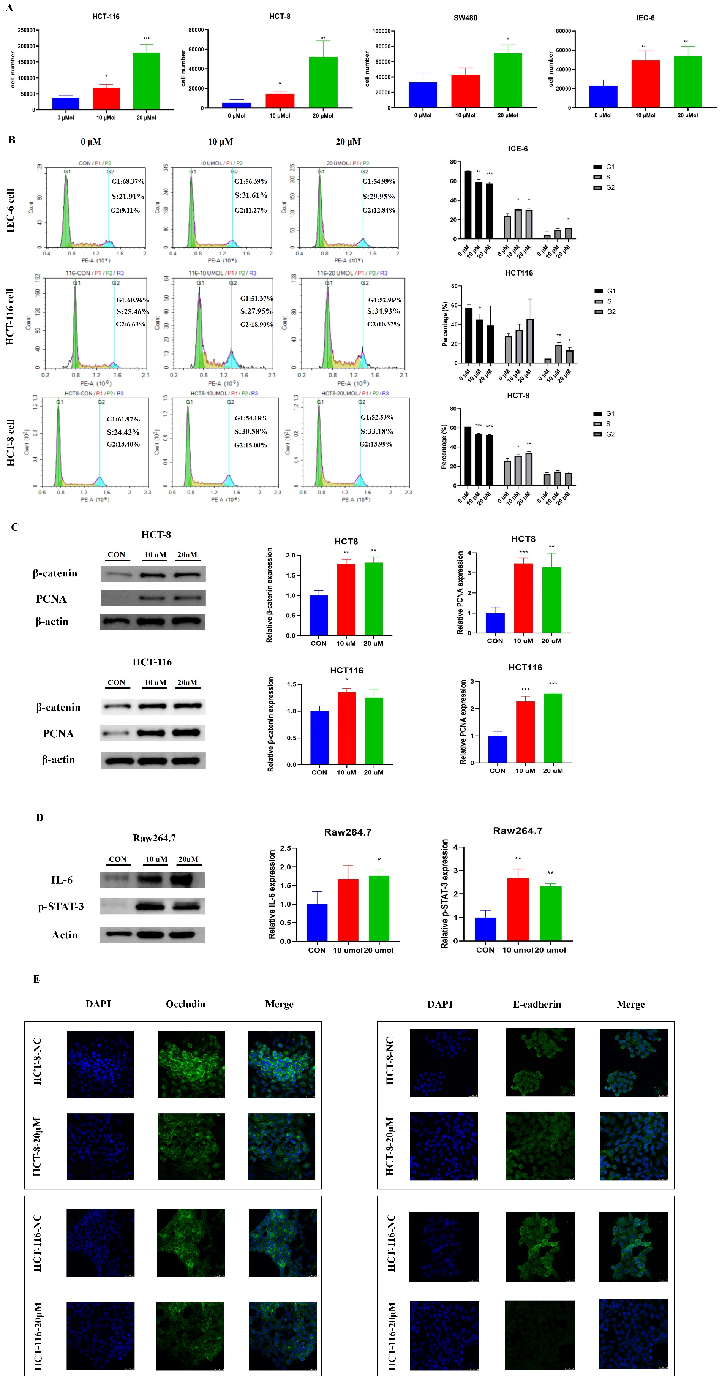
Fecal microbiota transplantation experiments confirm the role of gut microbiota in mediating berberine's anti-tumor effects. Mice receiving microbiota from berberine-treated donors showed reduced tumor development.
Berberine inhibits high fat diet-associated colorectal cancer through modulation of the gut …
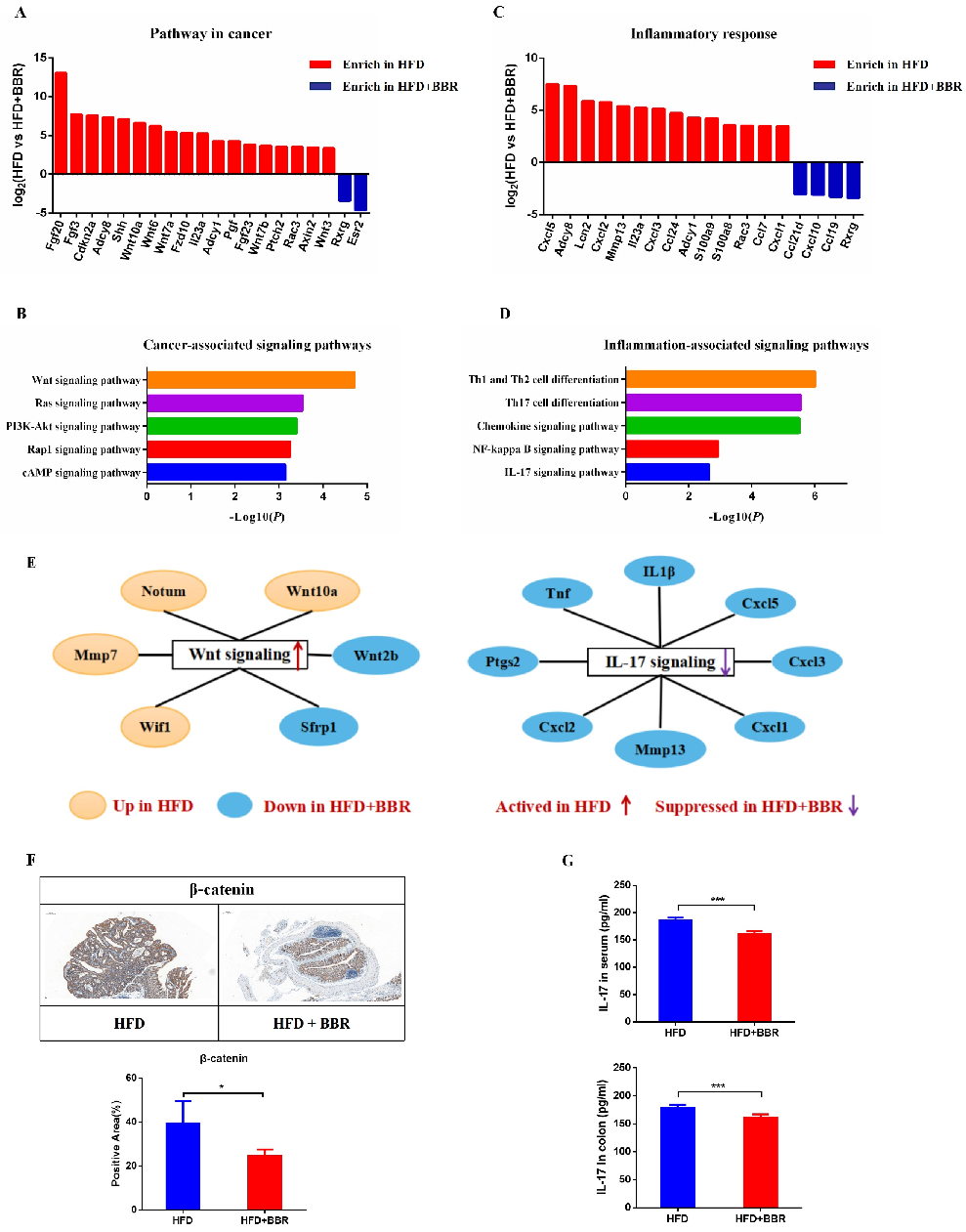
Correlation analysis between gut microbial abundance and lysophosphatidic acid levels identifies specific bacterial species linked to metabolite production. Berberine's microbiome modulation appears to reduce cancer-promoting metabolites.
Berberine inhibits high fat diet-associated colorectal cancer through modulation of the gut …
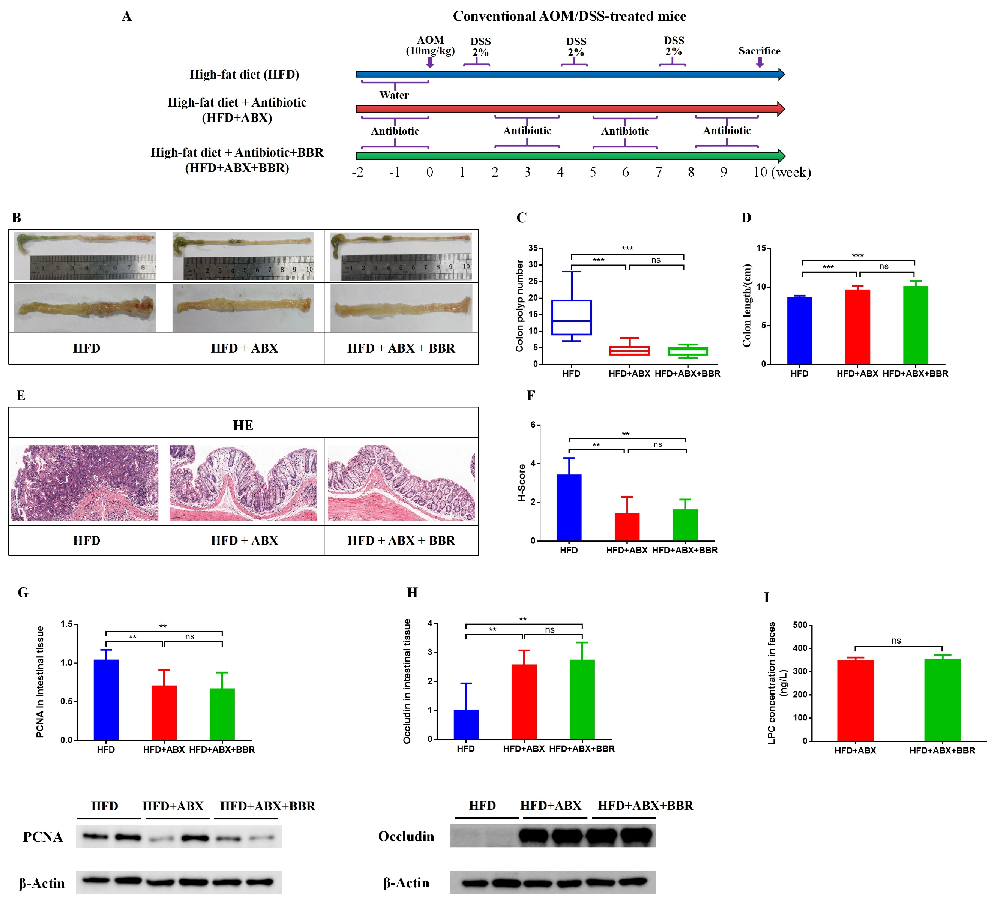
Immune cell infiltration in colonic tumors is assessed across treatment groups. Berberine supplementation is associated with increased anti-tumor immune responses and reduced immunosuppressive cell populations.
Berberine inhibits high fat diet-associated colorectal cancer through modulation of the gut …
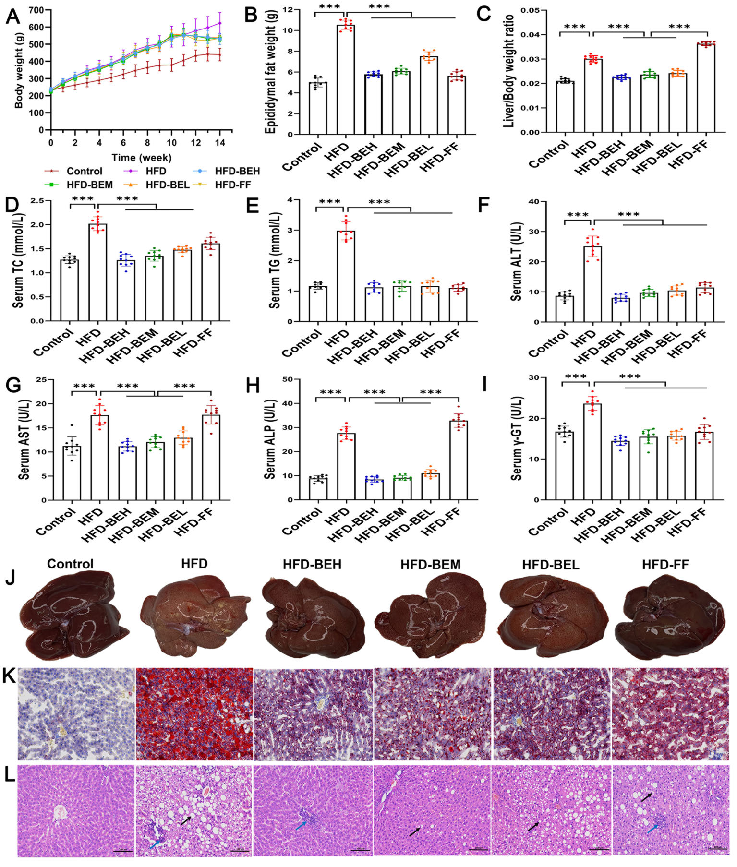
Gut microbiota composition analyzed by 16S rRNA sequencing reveals distinct community structures across treatment groups, with the combination therapy restoring microbial diversity.
The combination of berberine and evodiamine ameliorates high-fat diet-induced non-alcoholic fatty liver …
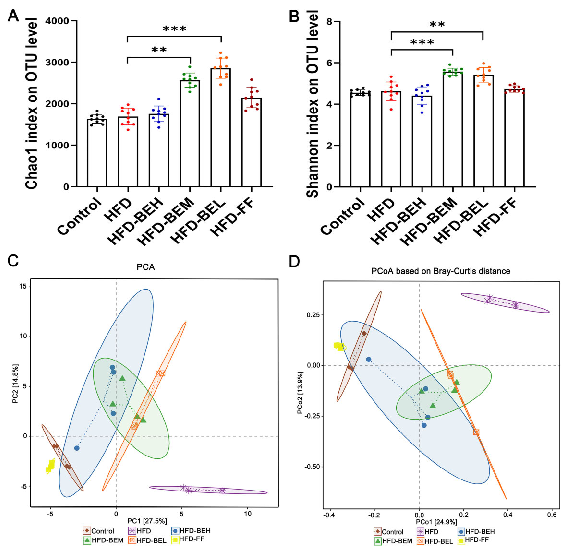
Alpha diversity indices of gut microbiota are compared across groups, indicating that berberine and evodiamine co-administration partially reverses high-fat diet-induced dysbiosis.
The combination of berberine and evodiamine ameliorates high-fat diet-induced non-alcoholic fatty liver …
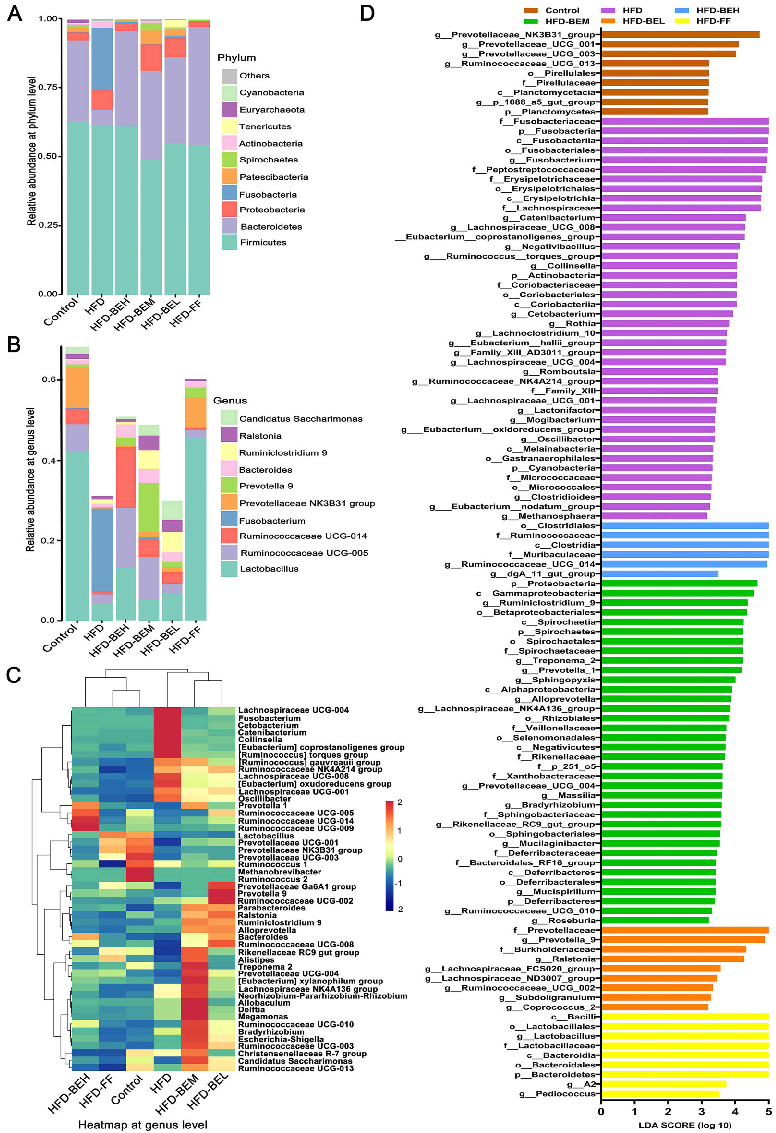
Key bacterial taxa differentially abundant between treatment groups are identified, with specific genera associated with improved metabolic outcomes in the combination therapy arm.
The combination of berberine and evodiamine ameliorates high-fat diet-induced non-alcoholic fatty liver …
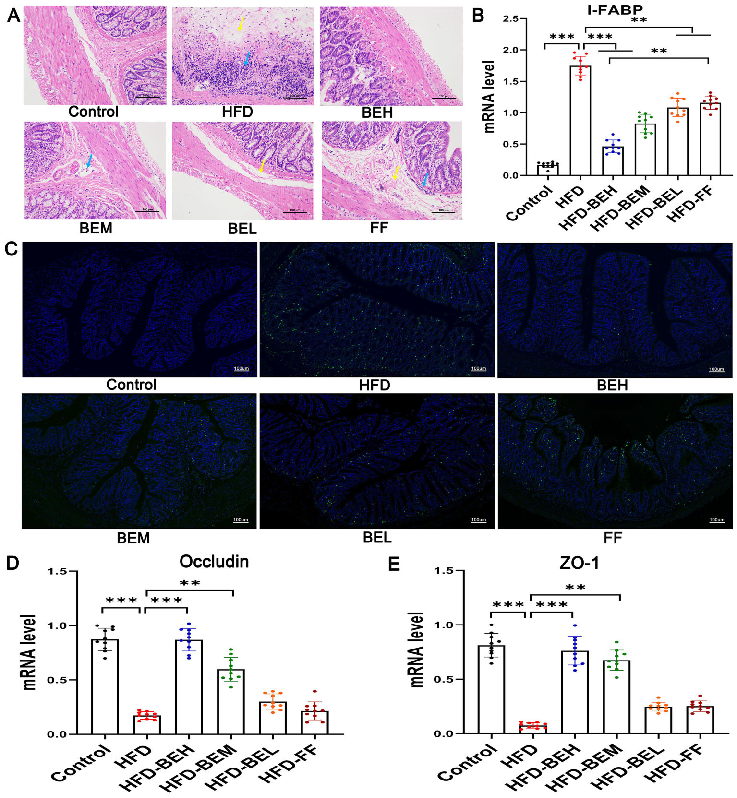
Short-chain fatty acid concentrations in fecal samples reflect changes in microbial metabolic activity following berberine and evodiamine treatment.
The combination of berberine and evodiamine ameliorates high-fat diet-induced non-alcoholic fatty liver …
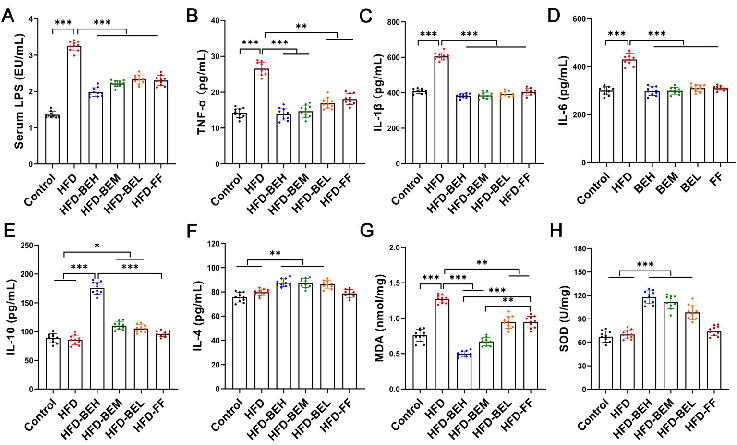
Correlation analysis between gut microbiota composition and hepatic lipid parameters links specific bacterial taxa to the amelioration of non-alcoholic fatty liver disease.
The combination of berberine and evodiamine ameliorates high-fat diet-induced non-alcoholic fatty liver …
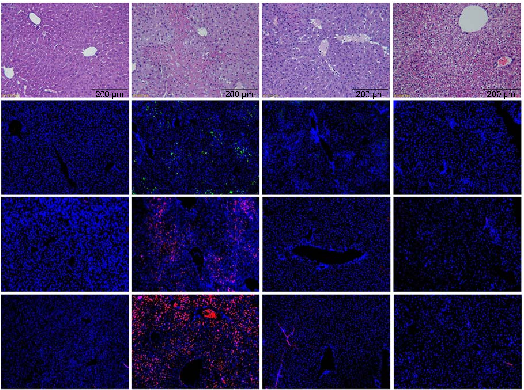
Correlation analysis between gut microbiota changes and hepatic inflammation markers in berberine-treated mice with autoimmune hepatitis.
Berberine alleviates concanavalin A-induced autoimmune hepatitis in mice by modulating the gut …
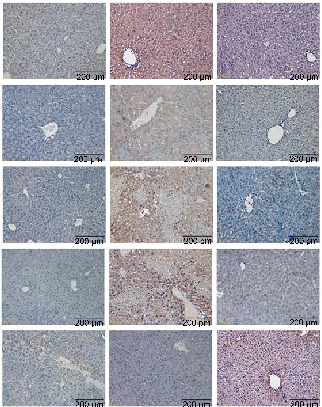
Supplementary experimental data (panel 11) from the berberine autoimmune hepatitis study, providing additional evidence of gut microbiota modulation and hepatoprotective effects in the concanavalin A mouse model.
Berberine alleviates concanavalin A-induced autoimmune hepatitis in mice by modulating the gut …
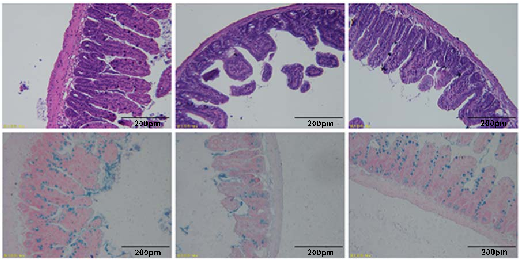
Extended analysis from the berberine autoimmune hepatitis study, examining molecular pathways or additional biomarkers related to gut-liver axis communication and intestinal barrier function.
Berberine alleviates concanavalin A-induced autoimmune hepatitis in mice by modulating the gut …
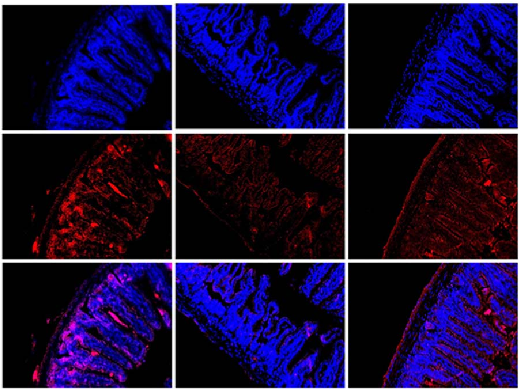
Extended analysis from the berberine autoimmune hepatitis study, examining molecular pathways or additional biomarkers related to gut-liver axis communication and intestinal barrier function.
Berberine alleviates concanavalin A-induced autoimmune hepatitis in mice by modulating the gut …
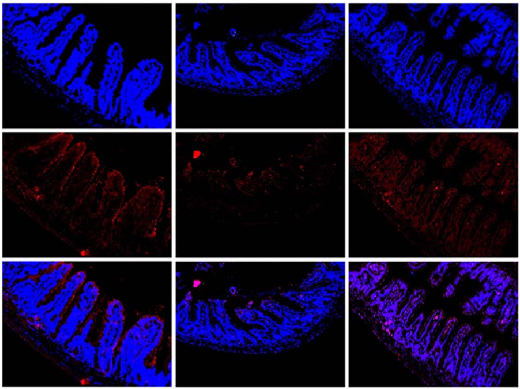
Extended analysis from the berberine autoimmune hepatitis study, examining molecular pathways or additional biomarkers related to gut-liver axis communication and intestinal barrier function.
Berberine alleviates concanavalin A-induced autoimmune hepatitis in mice by modulating the gut …
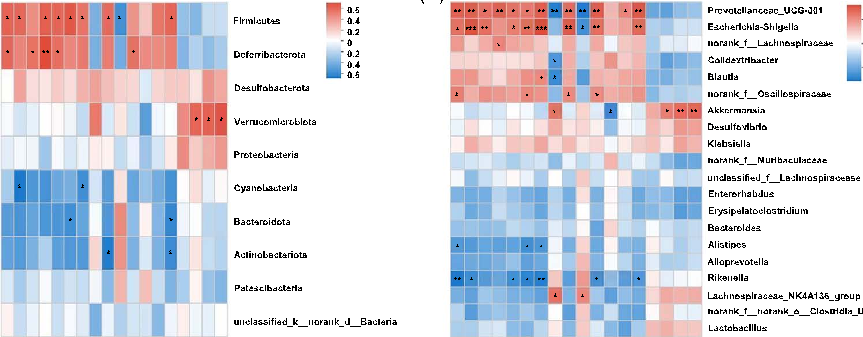
Gut microbiota sequencing or metabolomic data from the berberine-treated autoimmune hepatitis model, characterizing microbial community shifts and their potential functional implications.
Berberine alleviates concanavalin A-induced autoimmune hepatitis in mice by modulating the gut …
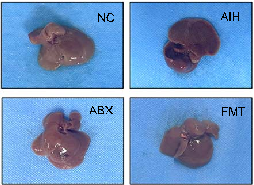
Gut microbiota sequencing or metabolomic data from the berberine-treated autoimmune hepatitis model, characterizing microbial community shifts and their potential functional implications.
Berberine alleviates concanavalin A-induced autoimmune hepatitis in mice by modulating the gut …
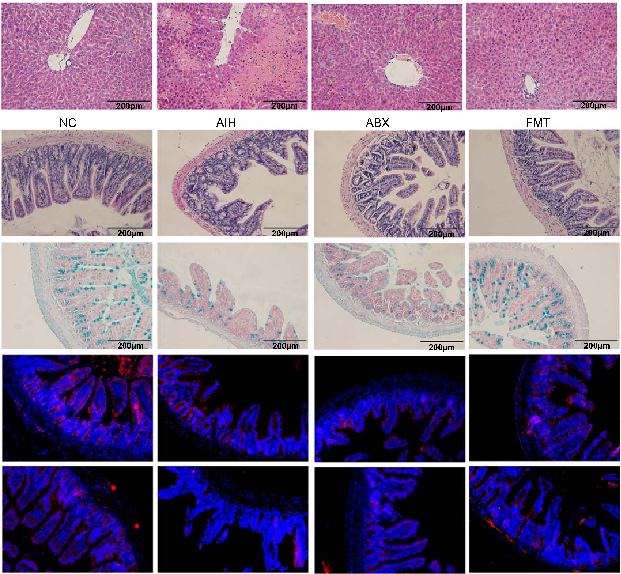
Gut microbiota sequencing or metabolomic data from the berberine-treated autoimmune hepatitis model, characterizing microbial community shifts and their potential functional implications.
Berberine alleviates concanavalin A-induced autoimmune hepatitis in mice by modulating the gut …
Page 1 sur 2