Research Figures
8 figures from peer-reviewed research
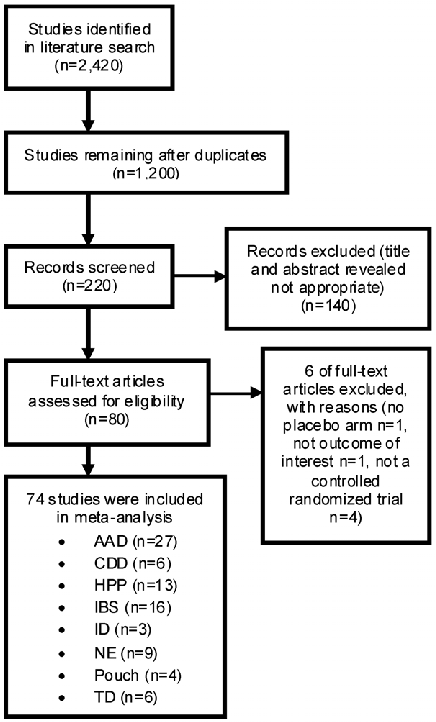
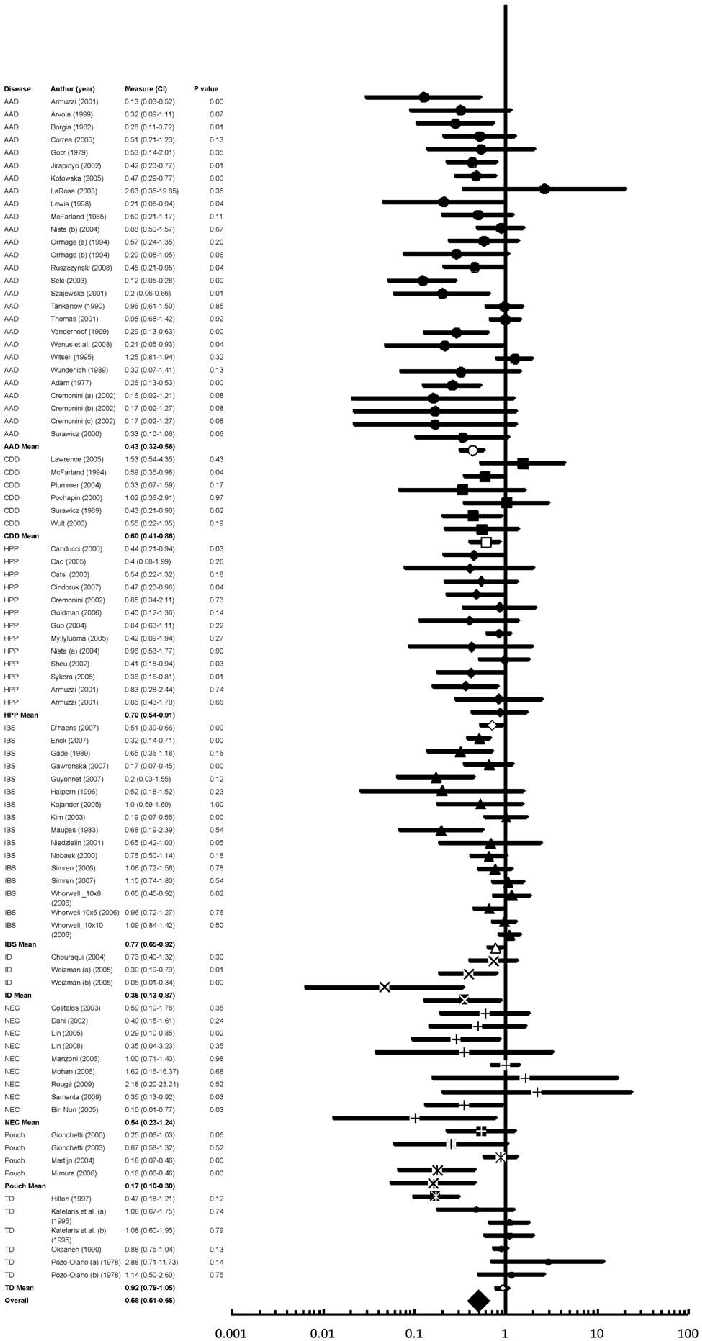
Forest plot summarizing the pooled efficacy of probiotic interventions across multiple gastrointestinal conditions, with odds ratios and confidence intervals for each included trial.
A meta-analysis of probiotic efficacy for gastrointestinal diseases.
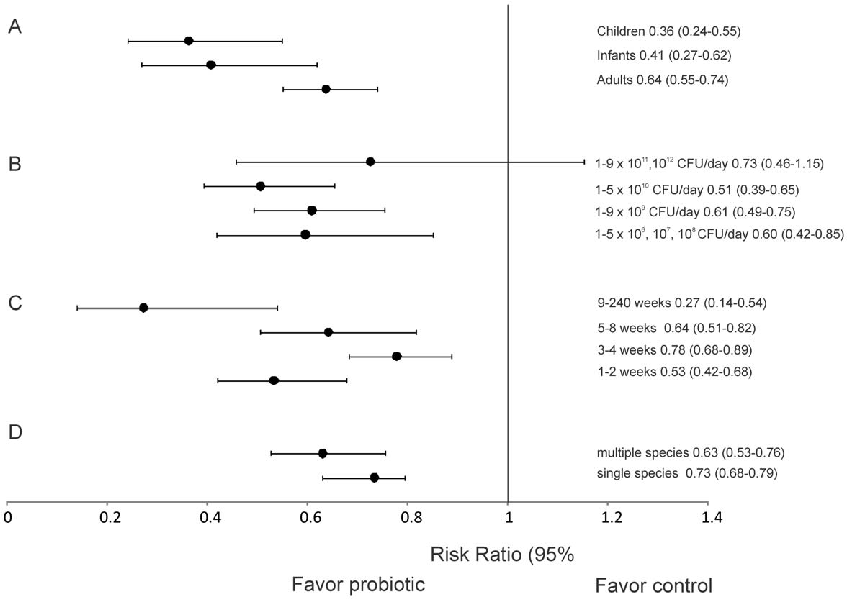
Subgroup analysis by probiotic strain type reveals differential efficacy, with Lactobacillus and Saccharomyces species showing the strongest associations with symptom improvement.
A meta-analysis of probiotic efficacy for gastrointestinal diseases.
Stratified forest plot examining probiotic efficacy specifically in antibiotic-associated diarrhea trials shows a significant protective effect compared to placebo.
A meta-analysis of probiotic efficacy for gastrointestinal diseases.
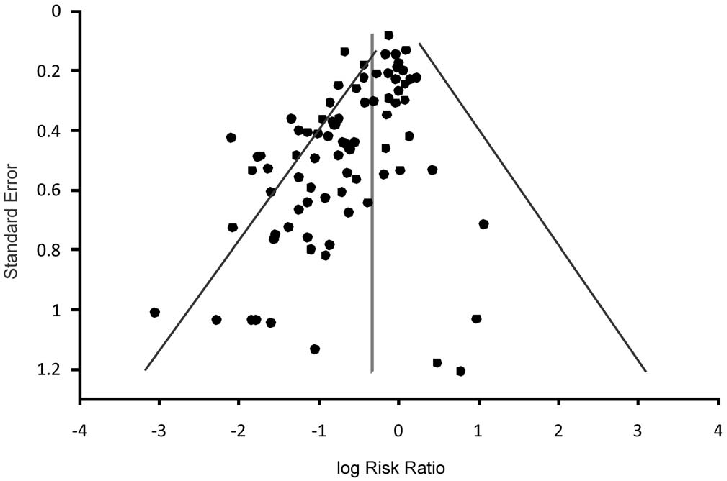
Sensitivity analysis removing individual studies demonstrates that the overall positive association between probiotic supplementation and gastrointestinal symptom relief remains robust.
A meta-analysis of probiotic efficacy for gastrointestinal diseases.
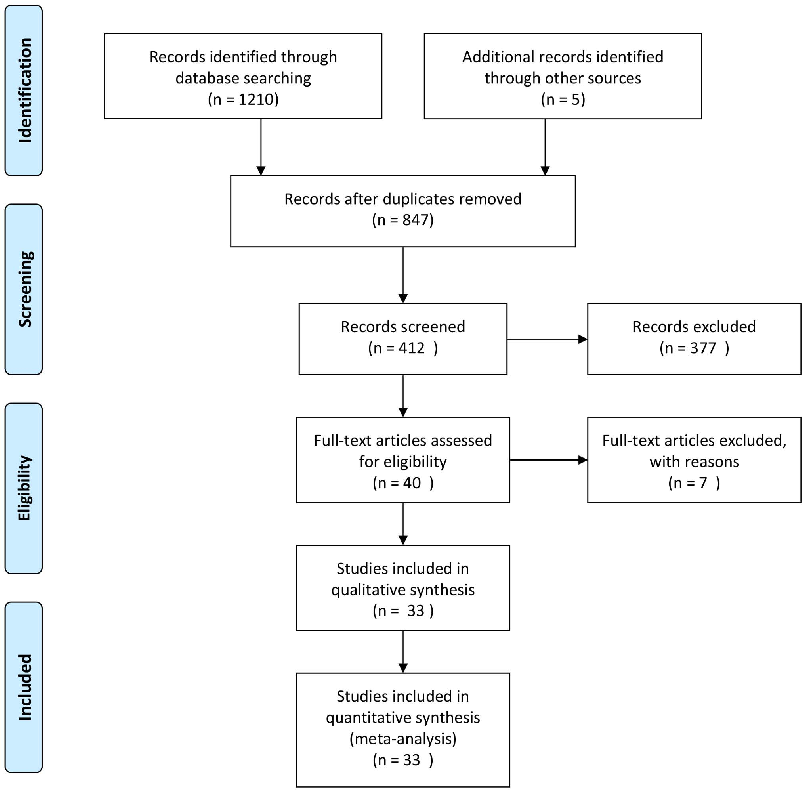
Forest plot of pooled H. pylori eradication rates demonstrates a modest but statistically significant improvement when probiotics are added to standard antibiotic therapy. Effect sizes vary across individual studies depending on probiotic strains used.
The effect of probiotics supplementation on Helicobacter pylori eradication rates and side …
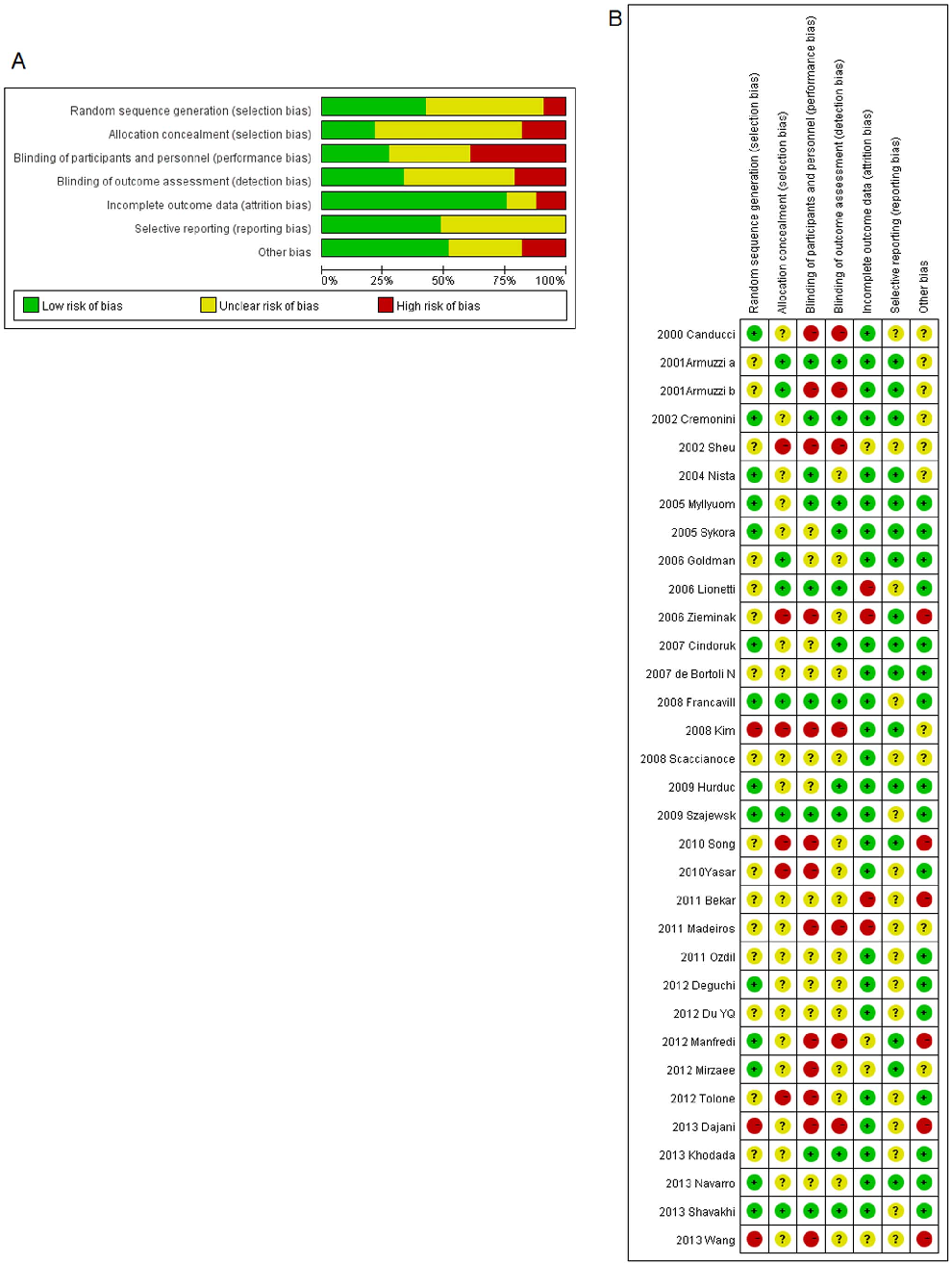
Subgroup analysis by probiotic species reveals that Lactobacillus-based preparations and multi-strain combinations show the most consistent benefit for improving eradication rates. Single-strain Saccharomyces boulardii also demonstrates efficacy.
The effect of probiotics supplementation on Helicobacter pylori eradication rates and side …
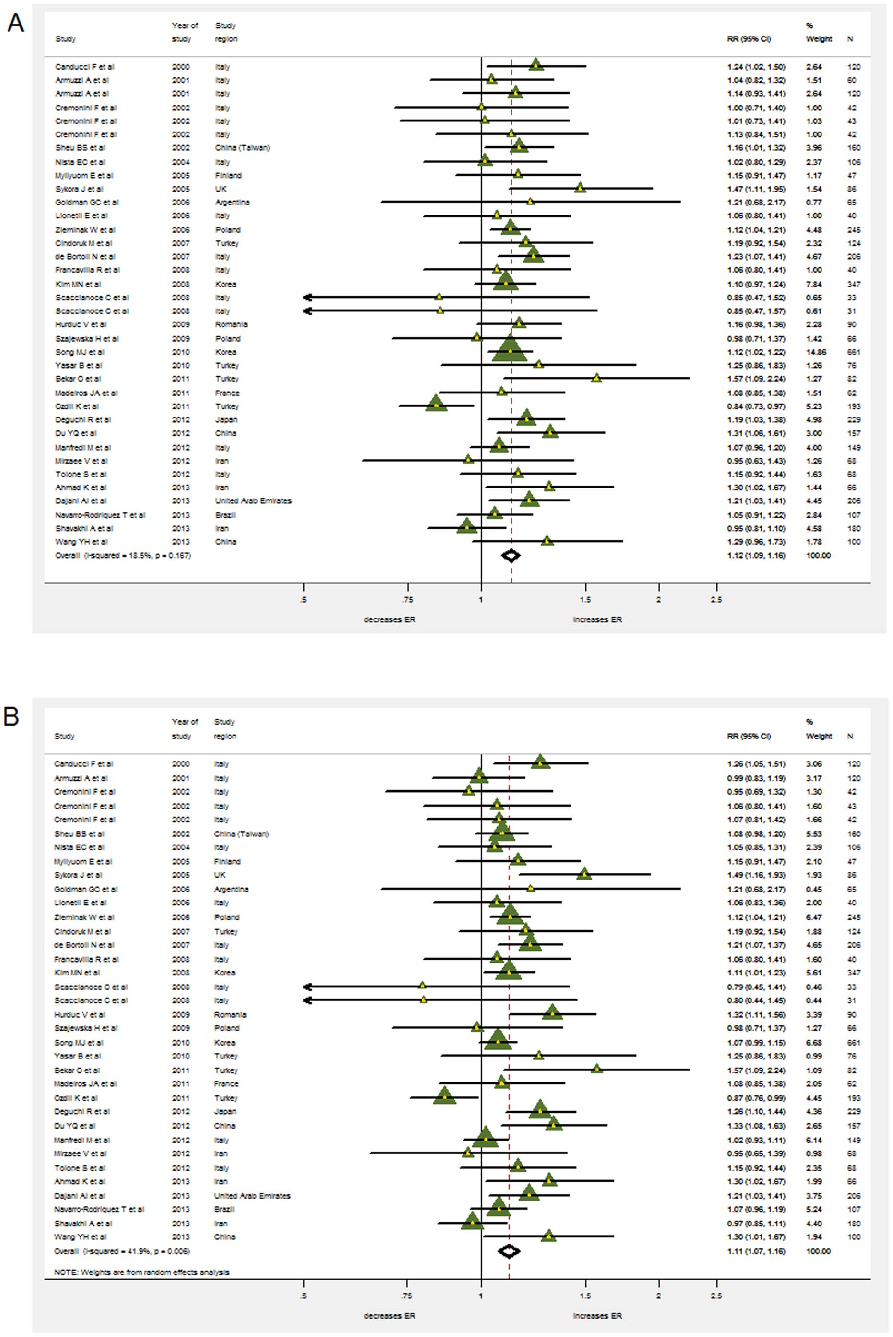
Overall side effect incidence is significantly reduced in patients receiving adjunctive probiotic supplementation during H. pylori eradication therapy. Diarrhea, nausea, and abdominal pain are the adverse events most consistently ameliorated.
The effect of probiotics supplementation on Helicobacter pylori eradication rates and side …
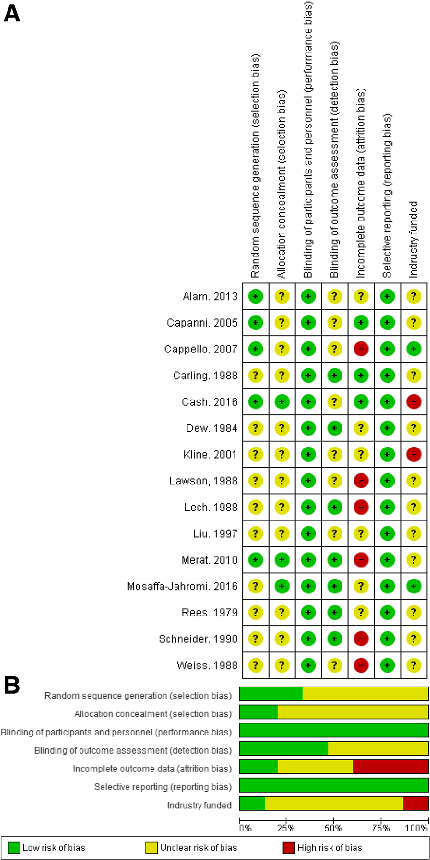
Subgroup analyses by peppermint oil formulation (enteric-coated versus non-enteric-coated) reveal that enteric coating may enhance efficacy by delivering the active compound directly to the lower gastrointestinal tract.
The impact of peppermint oil on the irritable bowel syndrome: a meta-analysis …