Descripción
Correlation analysis between gut microbial abundance and lysophosphatidic acid levels identifies specific bacterial species linked to metabolite production. Berberine's microbiome modulation appears to reduce cancer-promoting metabolites.
More Figures from This Paper
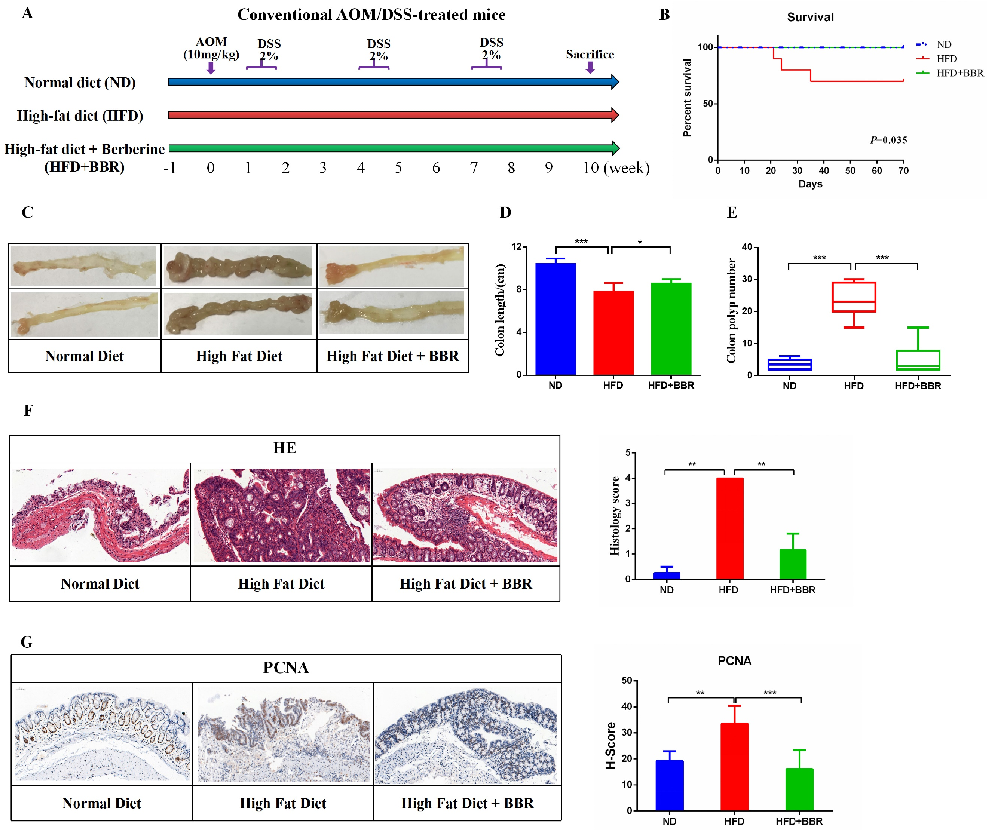
Figure 3
16S rRNA sequencing of gut microbiota reveals that berberine modulates microbial community composition in high-fat diet-fed mice. Specific bacterial genera associated with colorectal cancer risk were reduced in berberine-treated animals.
chart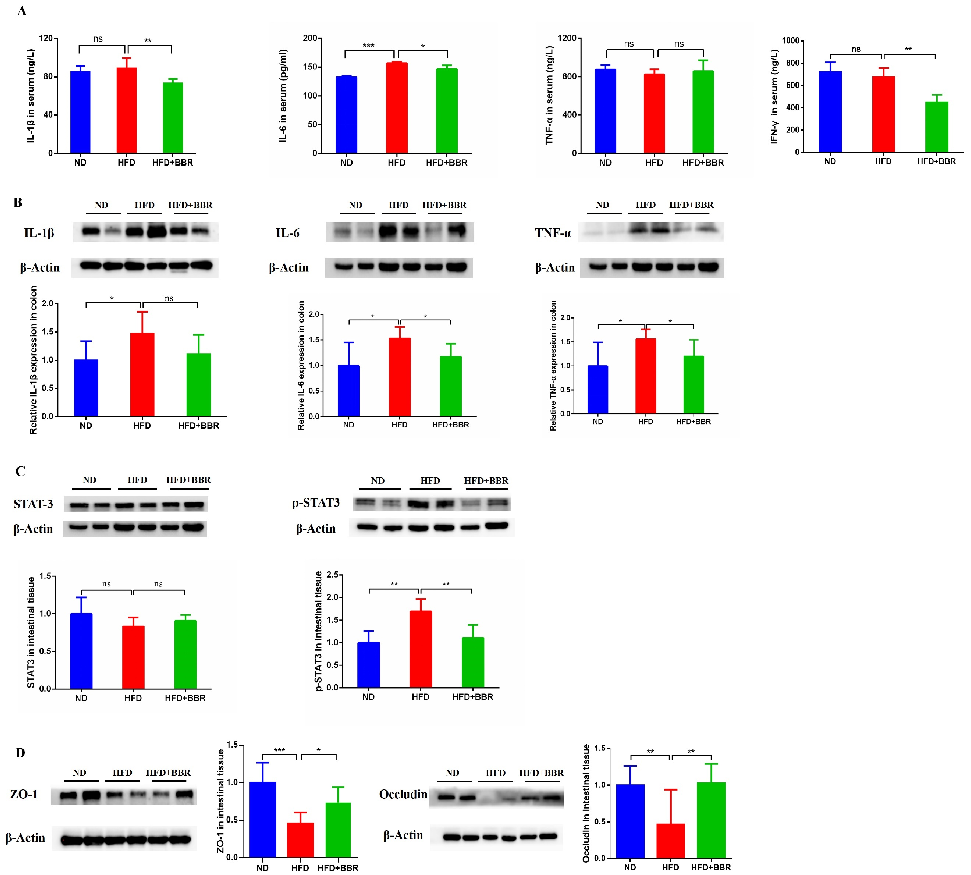
Figure 4
Lysophosphatidic acid signaling pathway components are quantified in colonic tissue. Berberine treatment is associated with downregulation of key enzymes in this pathway, suggesting a mechanism for its anti-tumor effects.
chart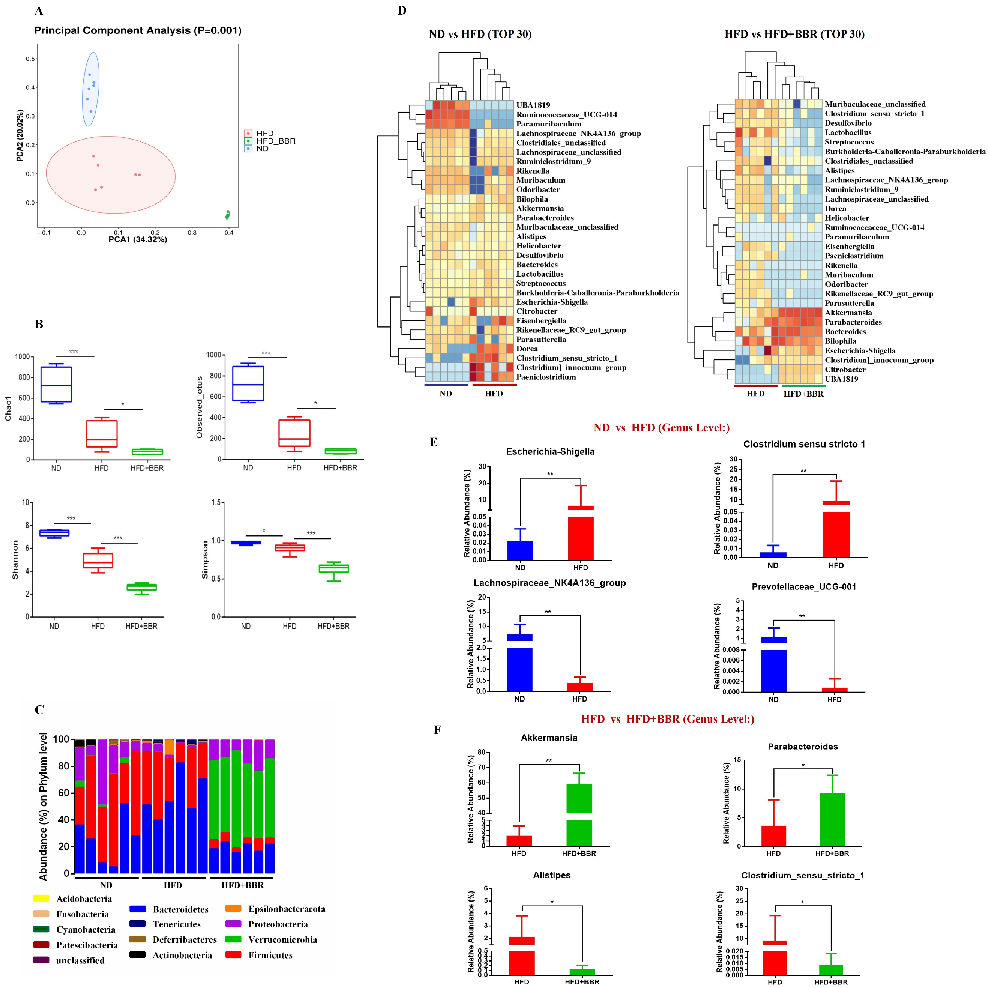
Figure 5
Metabolomic profiling of gut contents identifies lysophosphatidic acid and related lipid metabolites altered by berberine supplementation. Reduced levels of pro-tumorigenic lipids correlate with tumor suppression.
chart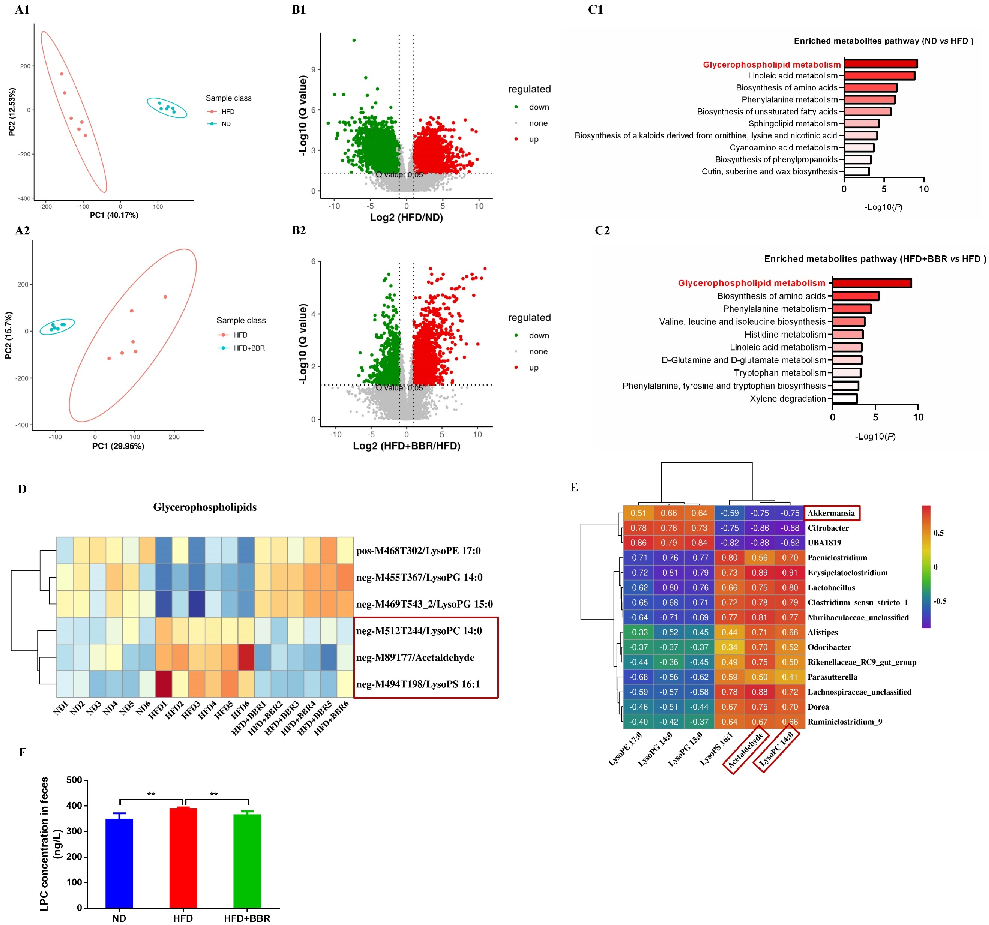
Figure 6
Western blot analysis demonstrates changes in protein expression of key signaling molecules in the lysophosphatidic acid pathway following berberine treatment. Reduced phosphorylation of downstream targets indicates pathway inhibition.
chart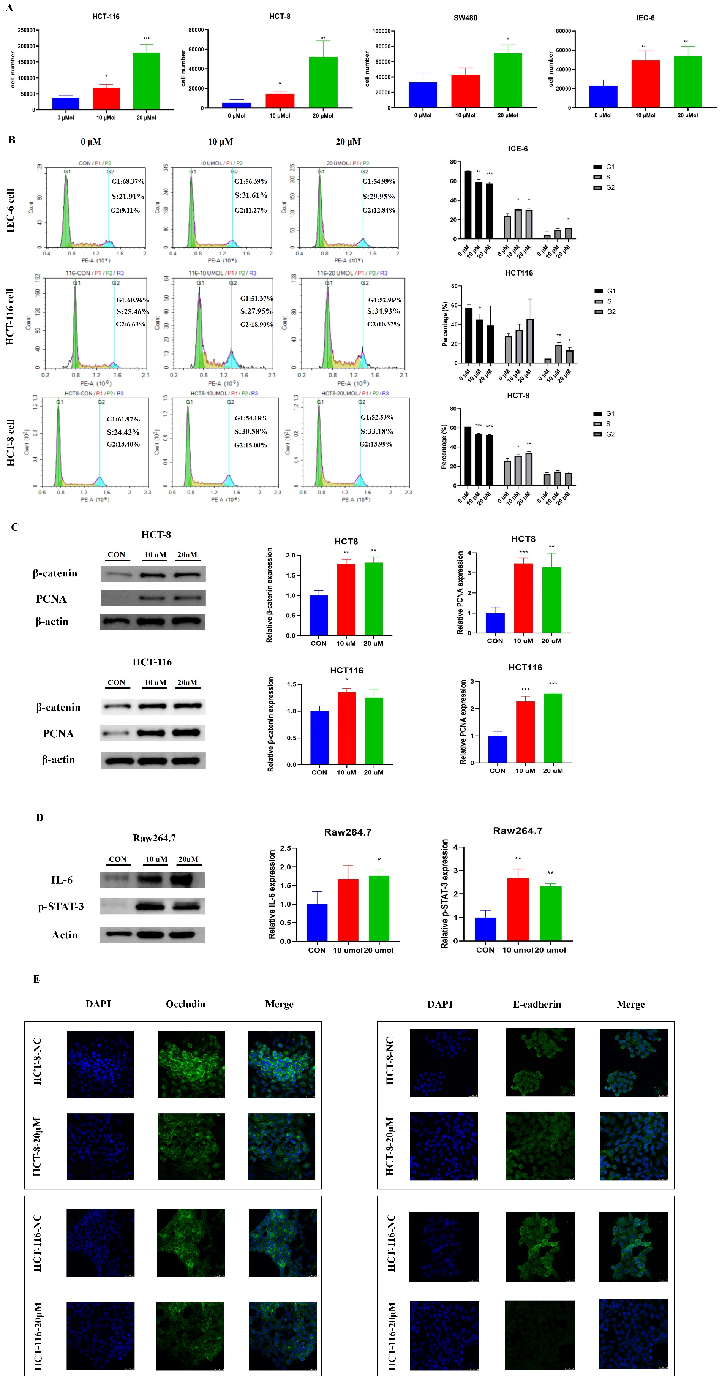
Figure 7
Fecal microbiota transplantation experiments confirm the role of gut microbiota in mediating berberine's anti-tumor effects. Mice receiving microbiota from berberine-treated donors showed reduced tumor development.
chart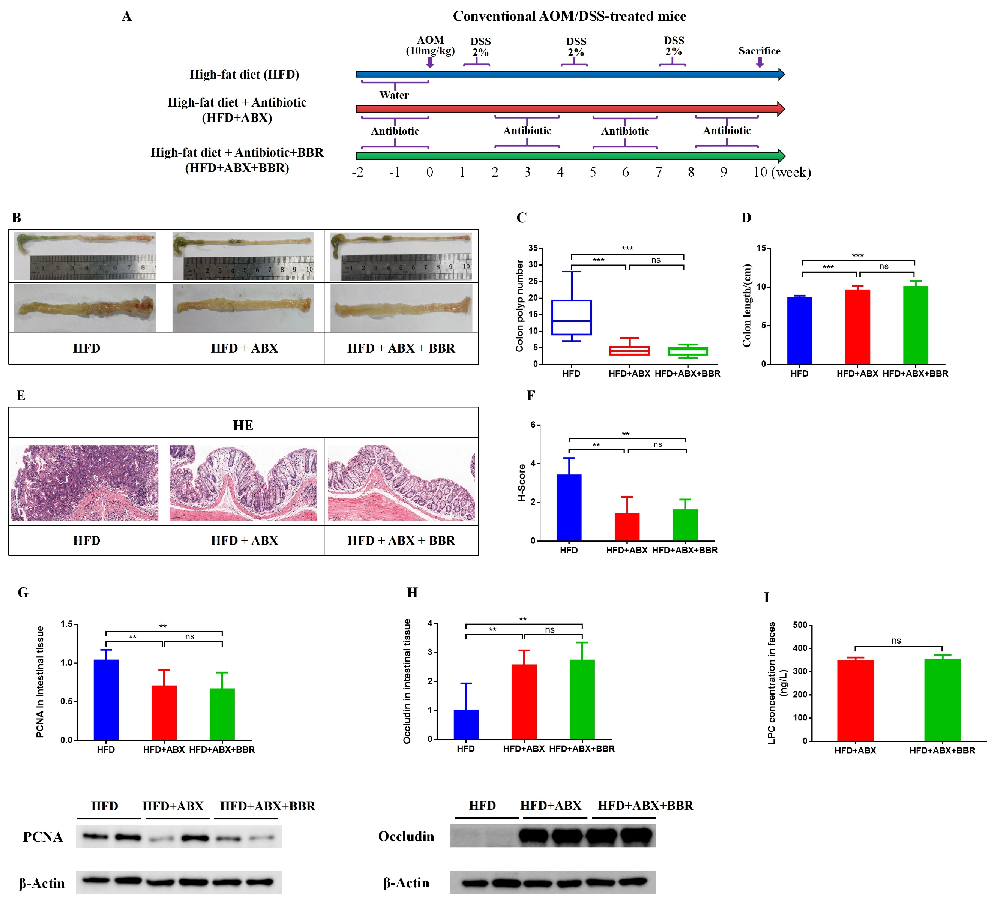
Figure 9
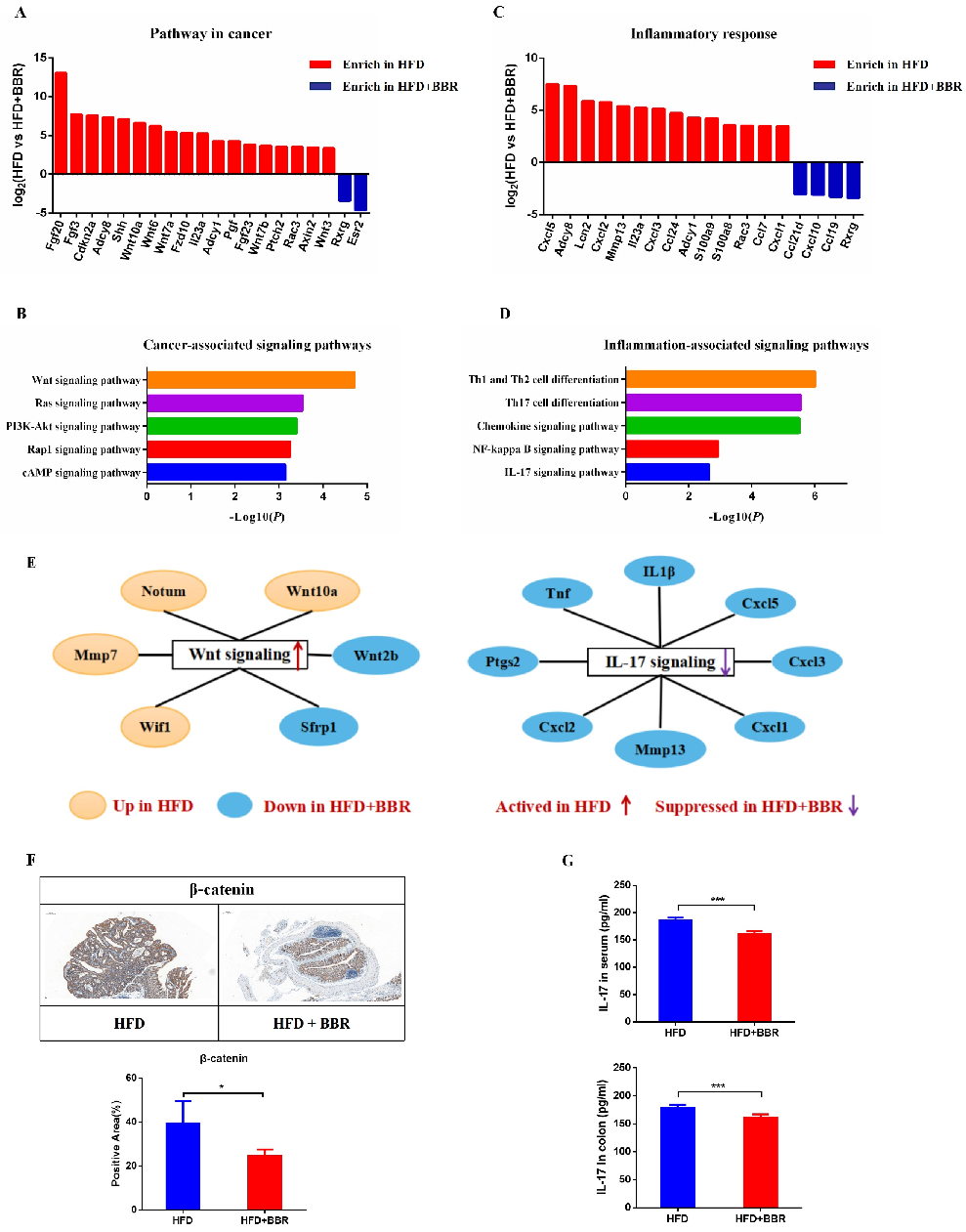
Immune cell infiltration in colonic tumors is assessed across treatment groups. Berberine supplementation is associated with increased anti-tumor immune responses and reduced immunosuppressive cell populations.
chartFigure 8
ChartSource Paper
Berberine inhibits high fat diet-associated colorectal cancer through modulation of the gut microbiota-mediated lysophosphatidylcholine.Cite This Figure
 > Source: Haitao Chen et al. "Berberine inhibits high fat diet-associated colorectal cancer through modulation." *International journal of biological sciences*, 2023. PMID: [37151876](https://pubmed.ncbi.nlm.nih.gov/37151876/)
<figure>
  <img src="https://pdfs.citedhealth.com/figures/37151876/208.png" alt="Correlation analysis between gut microbial abundance and lysophosphatidic acid levels identifies specific bacterial species linked to metabolite production. Berberine's microbiome modulation appears to reduce cancer-promoting metabolites." />
  <figcaption>Figure 8. Correlation analysis between gut microbial abundance and lysophosphatidic acid levels identifies specific bacterial species linked to metabolite production. Berberine's microbiome modulation appears to reduce cancer-promoting metabolites.<br>  Source: Haitao Chen et al. "Berberine inhibits high fat diet-associated colorectal cancer through modulation." <em>International journal of biological sciences</em>, 2023. PMID: <a href="https://pubmed.ncbi.nlm.nih.gov/37151876/">37151876</a></figcaption>
</figure>