Description
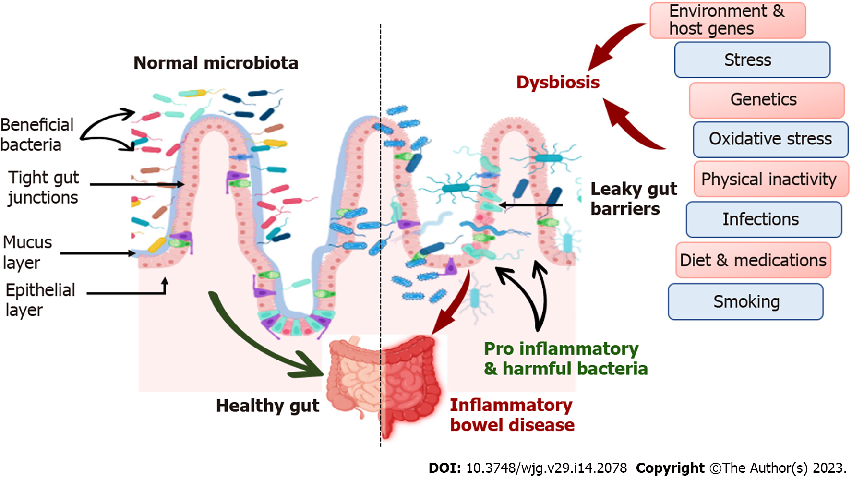
Inflammatory bowel disease pathogenesis involves interplay between genetic susceptibility, environmental factors, immune dysregulation, and gut microbiota alterations. Prebiotics, probiotics, and synbiotics target the microbial component of this multifactorial pathway.
More Figures from This Paper
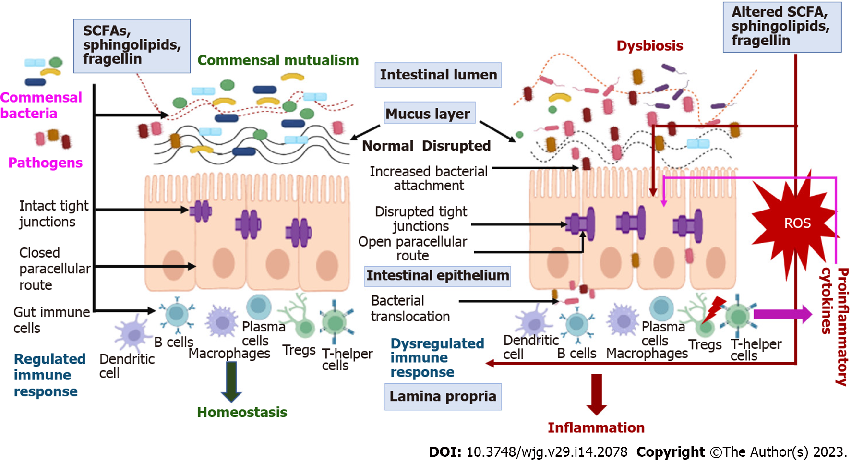
Figure 2
Prebiotics serve as selective substrates for beneficial gut bacteria, promoting the growth of health-associated species such as Bifidobacterium and Lactobacillus. Common prebiotics include inulin, fructooligosaccharides, and galactooligosaccharides.
diagram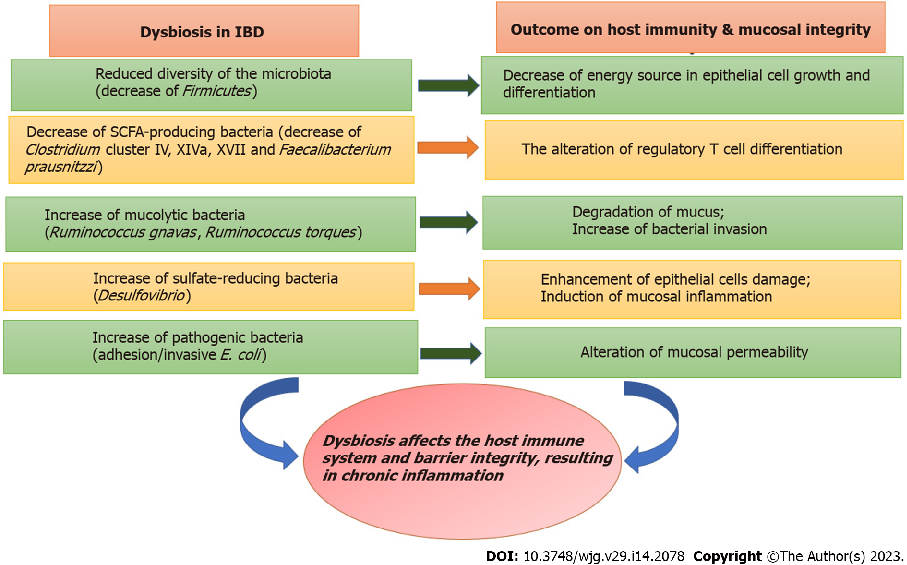
Figure 3
Probiotic mechanisms of action in IBD include strengthening the intestinal epithelial barrier, competing with pathogenic bacteria for adhesion sites, and modulating both innate and adaptive immune responses.
diagram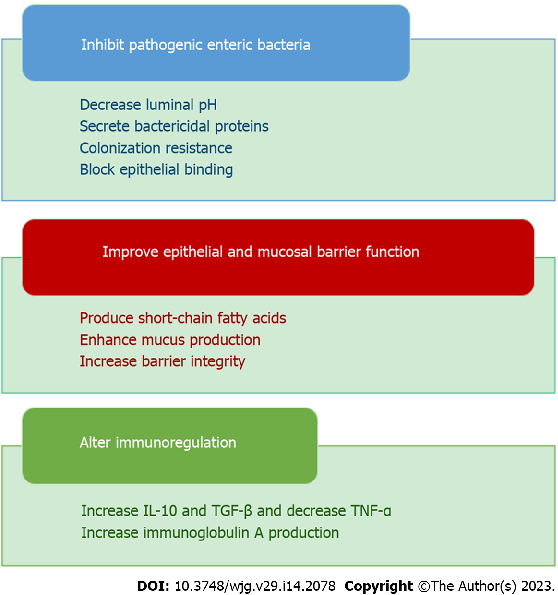
Figure 4
Synbiotics combine probiotics with prebiotics to achieve synergistic effects on gut health. The prebiotic component selectively nourishes the co-administered probiotic strain, potentially enhancing its colonization and metabolic activity.
diagram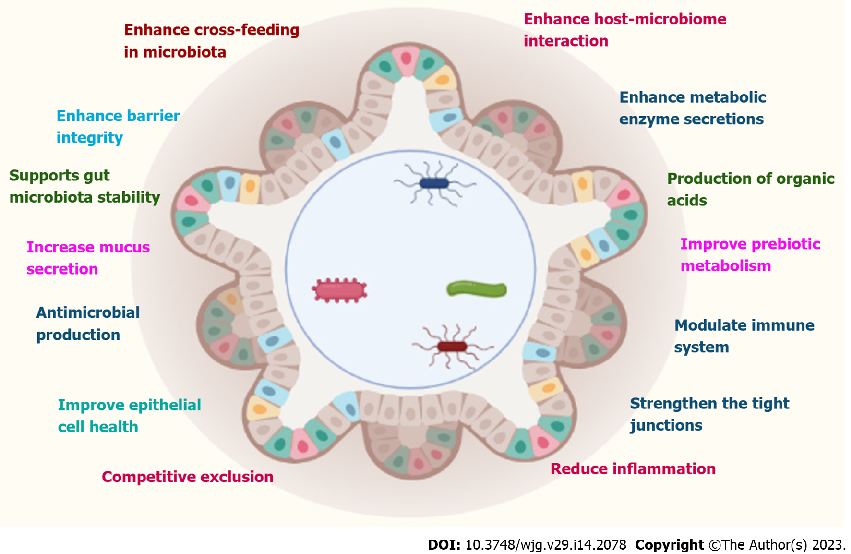
Figure 5
Clinical evidence for probiotic efficacy in ulcerative colitis is stronger than for Crohn's disease, with certain multi-strain formulations showing benefit in maintaining remission. Strain-specific effects are critical, as not all probiotics demonstrate equivalent therapeutic potential.
chart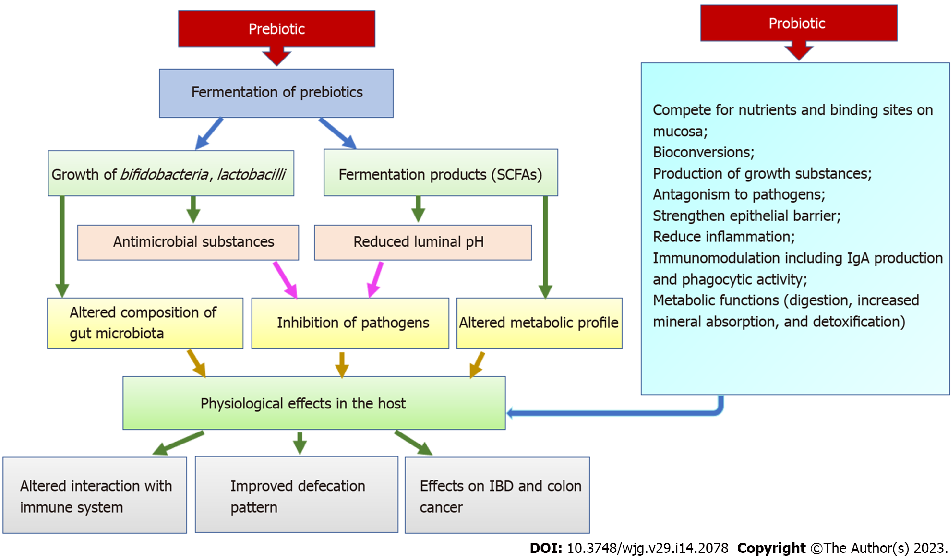
Figure 6
Gut microbiota composition in IBD patients is characterized by reduced diversity, decreased Firmicutes abundance, and increased representation of potentially pathogenic Proteobacteria. Probiotic interventions aim to partially normalize these patterns.
chart
Figure 7
Fecal calprotectin and other inflammatory biomarkers may serve as objective measures for monitoring probiotic treatment response in IBD patients. Reductions in these markers correlate with clinical improvement in several studies.
chartFigure 1
DiagramSource Paper
Role of prebiotics, probiotics, and synbiotics in management of inflammatory bowel disease: Current perspectives.Cite This Figure
 > Source: Supriya Roy et al. "Role of prebiotics, probiotics, and synbiotics in management of inflammatory bow." *World journal of gastroenterology*, 2023. PMID: [37122604](https://pubmed.ncbi.nlm.nih.gov/37122604/)
<figure>
  <img src="https://pdfs.citedhealth.com/figures/37122604/401.png" alt="Inflammatory bowel disease pathogenesis involves interplay between genetic susceptibility, environmental factors, immune dysregulation, and gut microbiota alterations. Prebiotics, probiotics, and synbiotics target the microbial component of this multifactorial pathway." />
  <figcaption>Figure 1. Inflammatory bowel disease pathogenesis involves interplay between genetic susceptibility, environmental factors, immune dysregulation, and gut microbiota alterations. Prebiotics, probiotics, and synbiotics target the microbial component of this multifactorial pathway.<br>  Source: Supriya Roy et al. "Role of prebiotics, probiotics, and synbiotics in management of inflammatory bow." <em>World journal of gastroenterology</em>, 2023. PMID: <a href="https://pubmed.ncbi.nlm.nih.gov/37122604/">37122604</a></figcaption>
</figure>