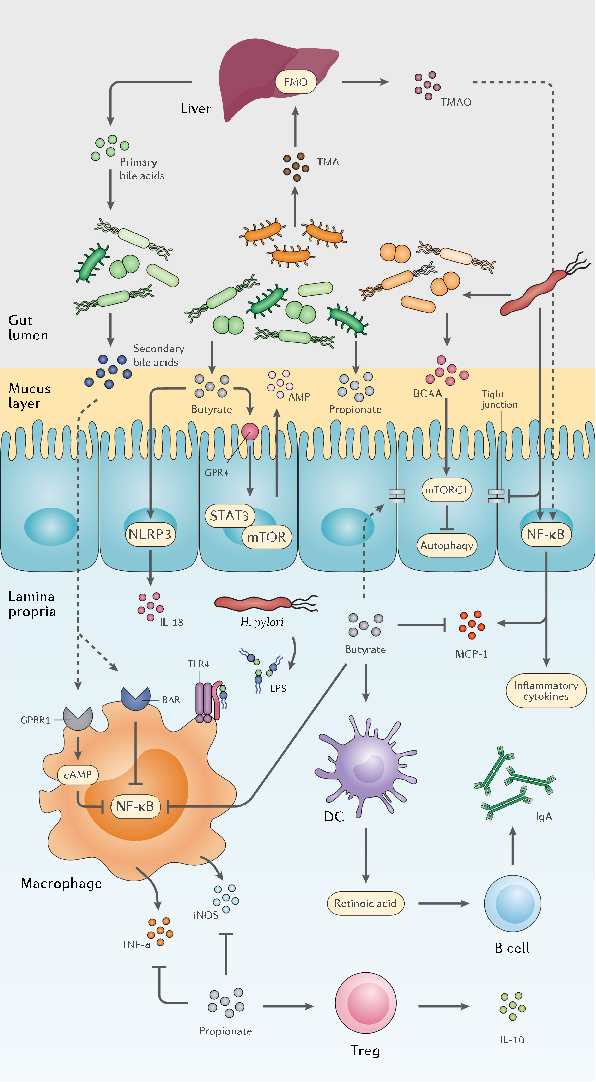
Description
Specific bacterial taxa responsive to probiotic treatment are identified, showing differential abundance patterns that suggest strain-specific effects on gut ecosystem structure.
More Figures from This Paper
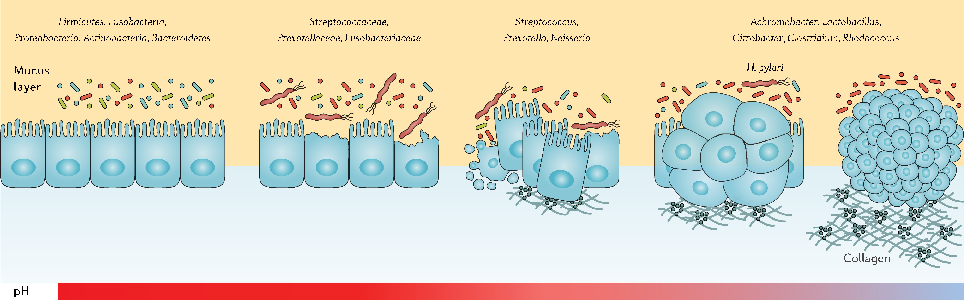
Figure 3
The dual nature of probiotic effects on established gut communities is depicted, with some participants showing enhanced diversity while others experience transient dysbiosis.
chart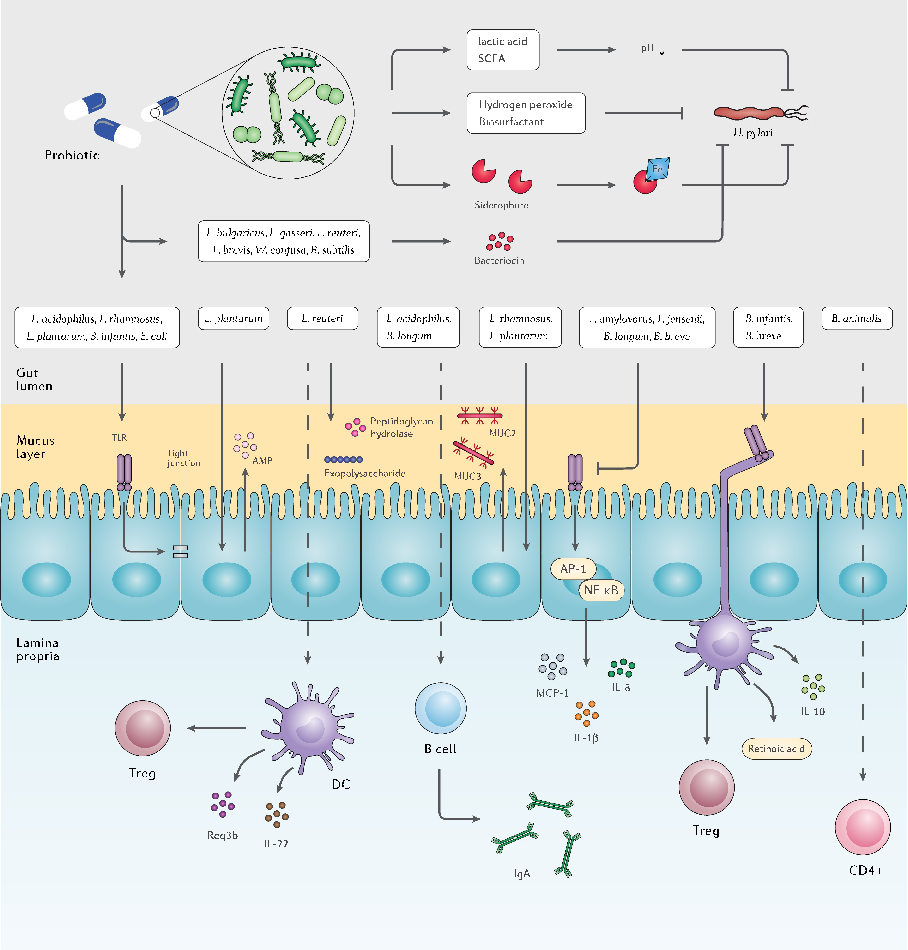
Figure 4
Gut microbiota structural changes following probiotic supplementation are characterized, revealing both beneficial shifts and potential disruptions depending on the host's baseline microbial composition.
chartFigure 2
Chart
596 × 1082px
· 279,1 Kio
Source Paper
The double-edged sword of probiotic supplementation on gut microbiota structure in Helicobacter pylori management.Cite This Figure
 > Source: Ali Nabavi-Rad et al. "The double-edged sword of probiotic supplementation on gut microbiota structure ." *Gut microbes*, 2022. PMID: [35951774](https://pubmed.ncbi.nlm.nih.gov/35951774/)
<figure>
  <img src="https://pdfs.citedhealth.com/figures/35951774/169.png" alt="Specific bacterial taxa responsive to probiotic treatment are identified, showing differential abundance patterns that suggest strain-specific effects on gut ecosystem structure." />
  <figcaption>Figure 2. Specific bacterial taxa responsive to probiotic treatment are identified, showing differential abundance patterns that suggest strain-specific effects on gut ecosystem structure.<br>  Source: Ali Nabavi-Rad et al. "The double-edged sword of probiotic supplementation on gut microbiota structure ." <em>Gut microbes</em>, 2022. PMID: <a href="https://pubmed.ncbi.nlm.nih.gov/35951774/">35951774</a></figcaption>
</figure>