Description
Correlation analysis between butyrate concentration increases and shifts in specific bacterial genera reveals ecological relationships within the supplemented microbiota.
More Figures from This Paper
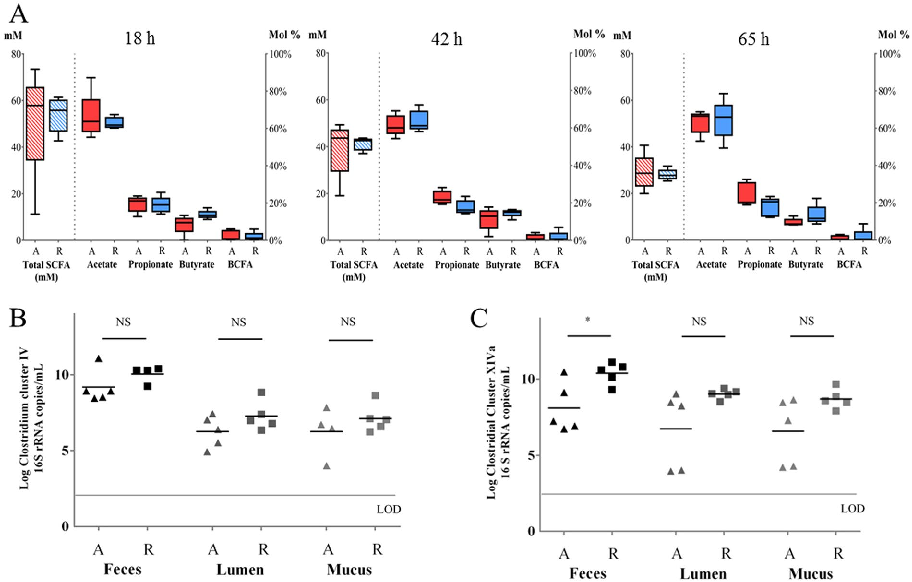
Figure 2
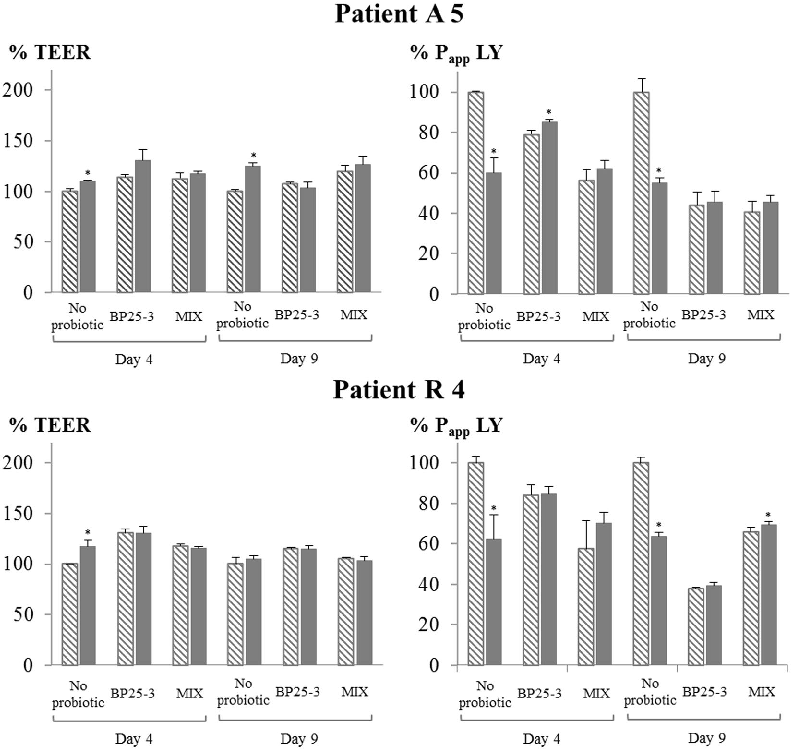
Butyrate and other short-chain fatty acid concentrations measured in the in vitro fermentation model show significant increases following supplementation with targeted bacterial strains.
chart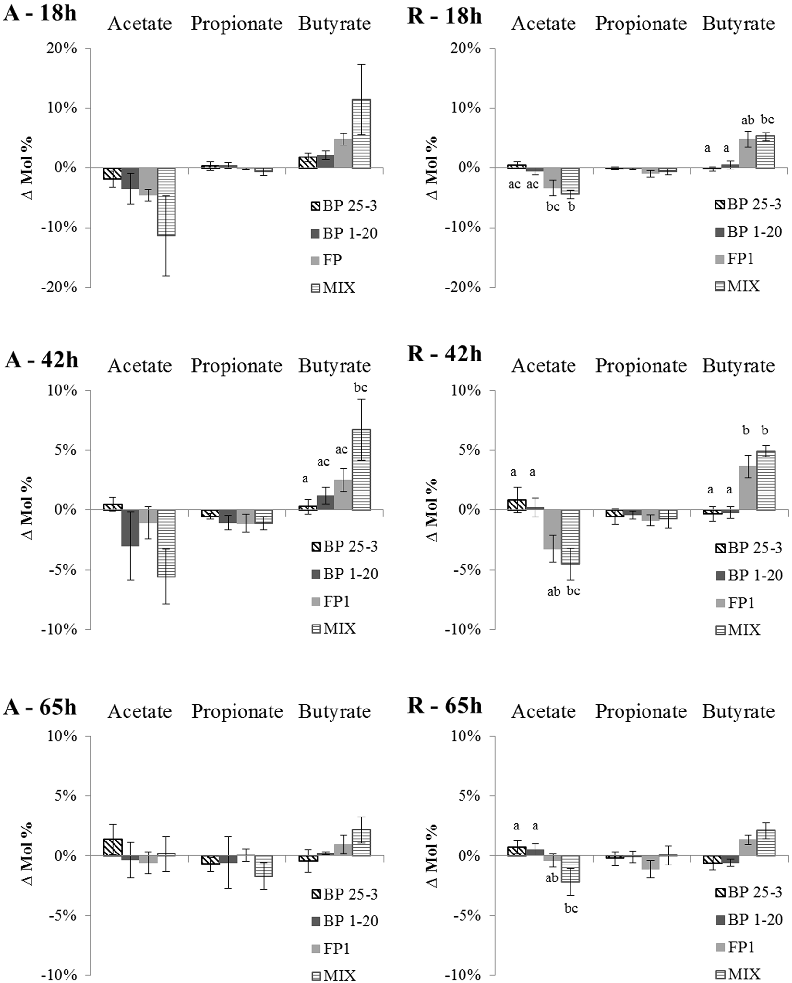
Figure 3
Relative abundance shifts in key bacterial taxa after supplementation are displayed, highlighting the engraftment success of introduced butyrate producers.
chart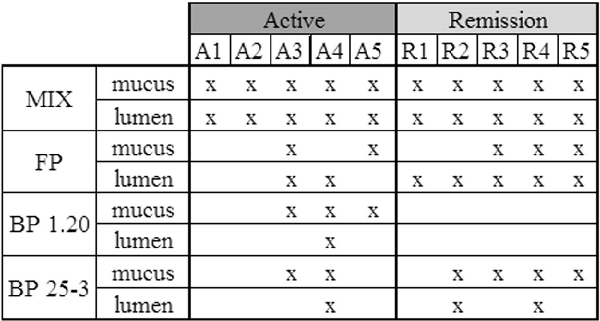
Figure 4
pH changes and metabolite profiles in the fermentation vessel over time demonstrate the metabolic impact of butyrate-producing bacterial supplementation.
chart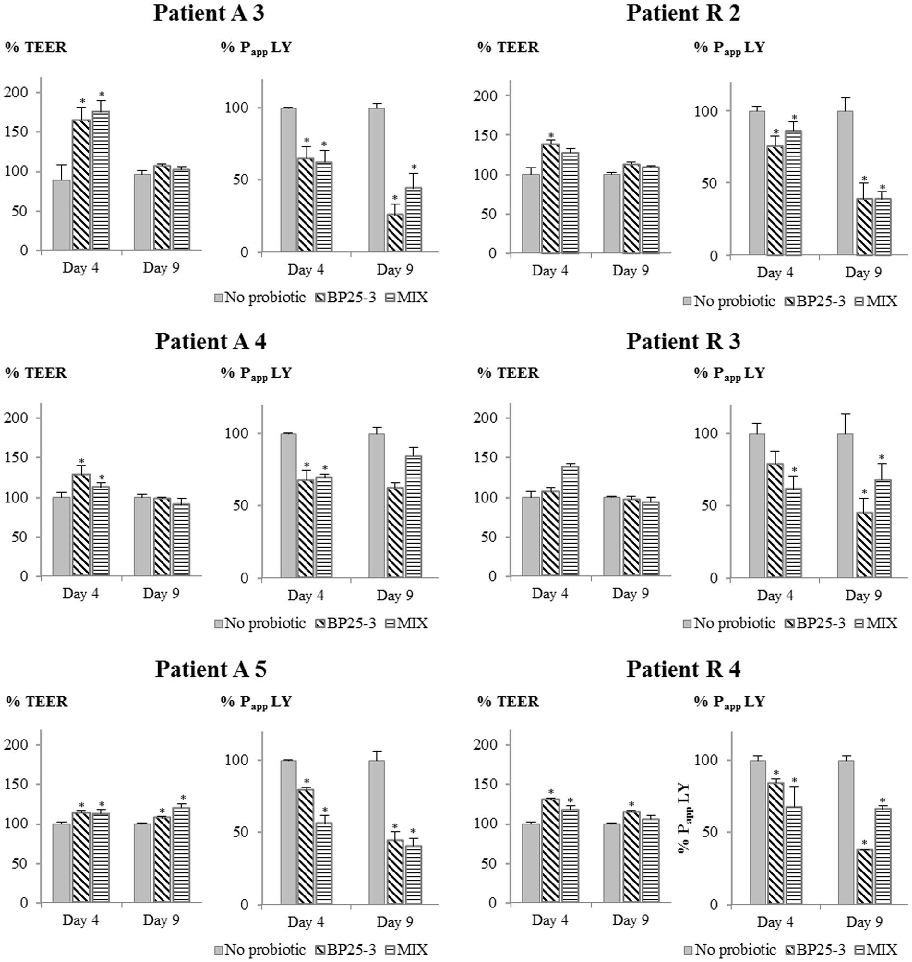
Figure 5
Diversity indices comparing baseline Crohn's disease microbiota to supplemented samples suggest partial restoration of microbial community richness.
chartFigure 6
ChartSource Paper
Butyrate-producing bacteria supplemented in vitro to Crohn's disease patient microbiota increased butyrate production and enhanced intestinal epithelial barrier integrity.Cite This Figure
 > Source: Annelies Geirnaert et al. "Butyrate-producing bacteria supplemented in vitro to Crohn's disease patient mic." *Scientific reports*, 2017. PMID: [28904372](https://pubmed.ncbi.nlm.nih.gov/28904372/)
<figure>
  <img src="https://pdfs.citedhealth.com/figures/28904372/144.png" alt="Correlation analysis between butyrate concentration increases and shifts in specific bacterial genera reveals ecological relationships within the supplemented microbiota." />
  <figcaption>Figure 6. Correlation analysis between butyrate concentration increases and shifts in specific bacterial genera reveals ecological relationships within the supplemented microbiota.<br>  Source: Annelies Geirnaert et al. "Butyrate-producing bacteria supplemented in vitro to Crohn's disease patient mic." <em>Scientific reports</em>, 2017. PMID: <a href="https://pubmed.ncbi.nlm.nih.gov/28904372/">28904372</a></figcaption>
</figure>