Zinc Figuras
6 figuras de investigación revisada por expertos
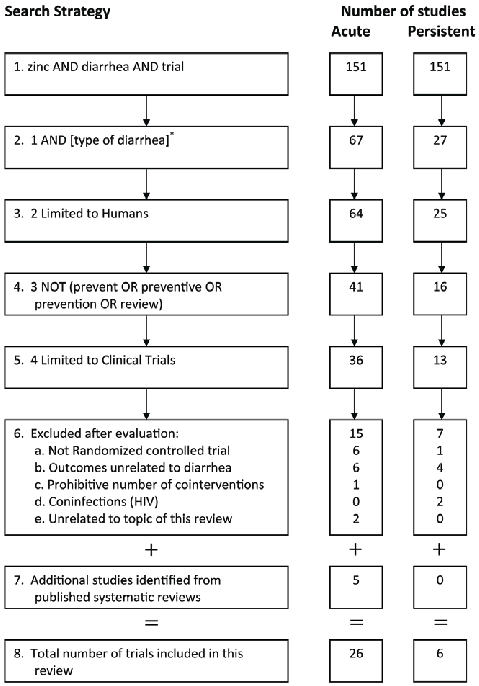
A PRISMA-style flowchart details the study selection protocol for this systematic review of zinc supplementation in diarrhea, showing the screening and inclusion criteria applied to identify eligible trials.
Therapeutic value of zinc supplementation in acute and persistent diarrhea: a systematic …
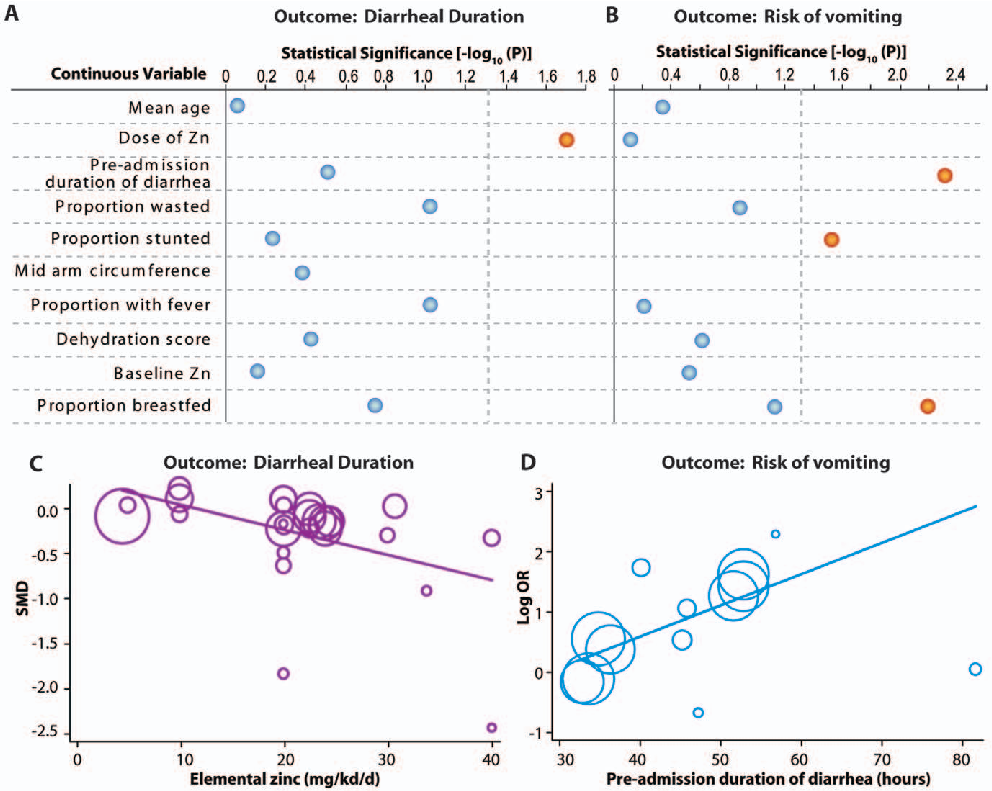
Subgroup comparisons of zinc dosage and formulation effects on diarrhea outcomes are depicted, highlighting dose-response relationships observed across studies.
Therapeutic value of zinc supplementation in acute and persistent diarrhea: a systematic …
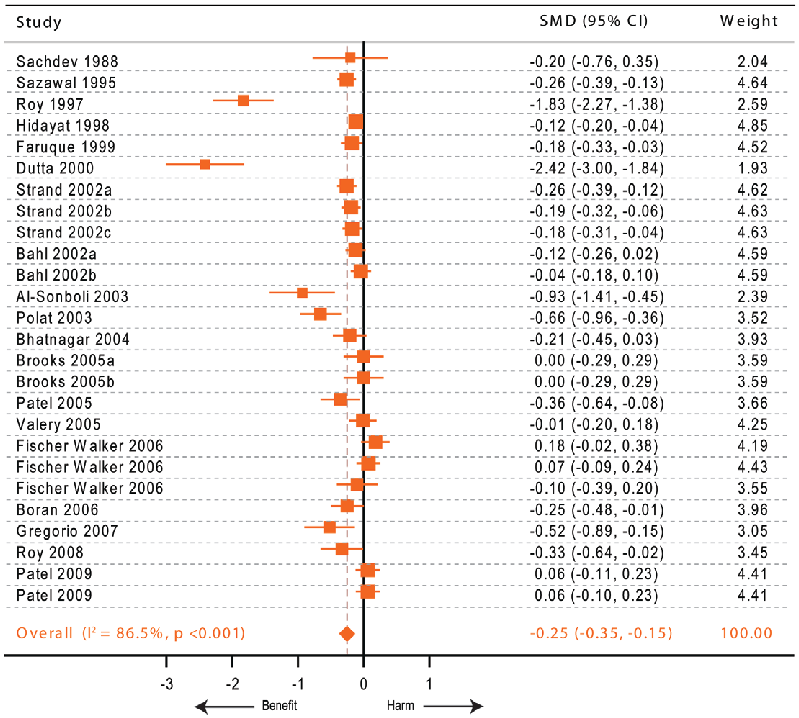
Pooled results from clinical trials assessing zinc's therapeutic value in reducing diarrhea duration and severity are presented, with subgroup analyses by diarrhea type.
Therapeutic value of zinc supplementation in acute and persistent diarrhea: a systematic …
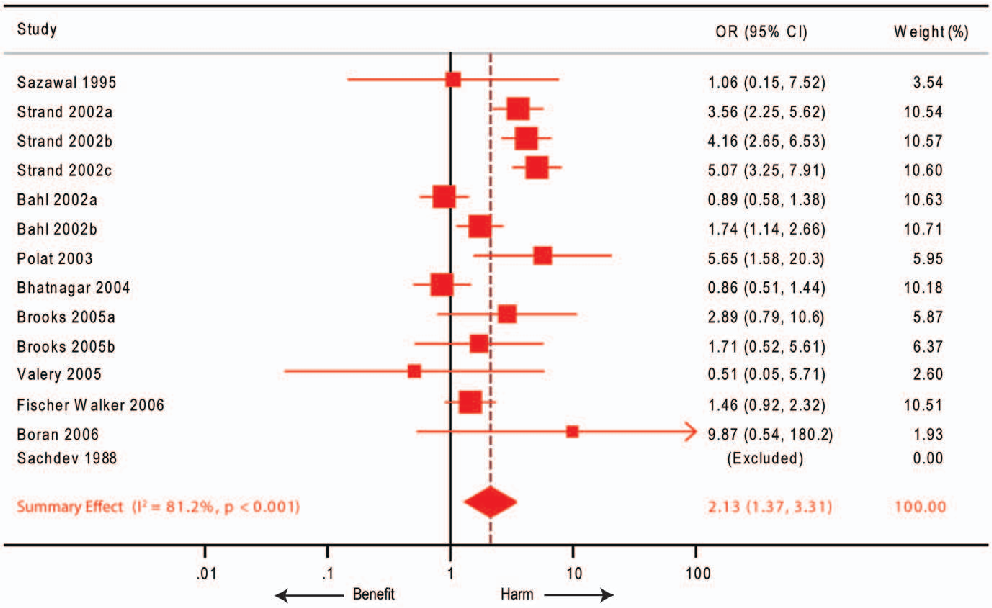
Effect size estimates for zinc supplementation across different age groups and diarrhea classifications are compared, indicating varying degrees of clinical benefit.
Therapeutic value of zinc supplementation in acute and persistent diarrhea: a systematic …
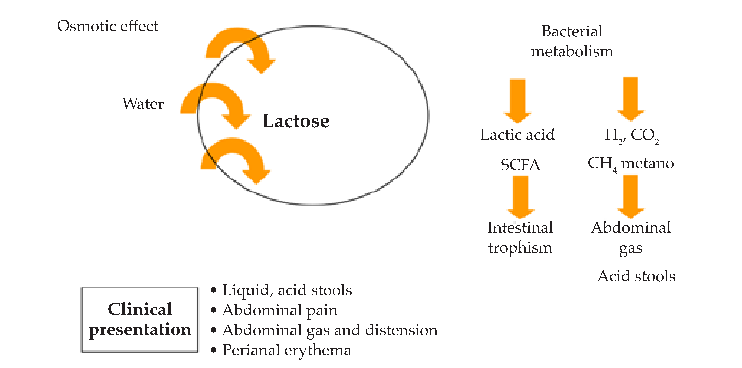
Pathophysiology of lactose intolerance illustrating how undigested lactose causes symptoms through osmotic effects in the intestinal lumen and bacterial fermentation producing hydrogen, carbon dioxide, and methane gases.
Lactose intolerance: myths and facts. An update.
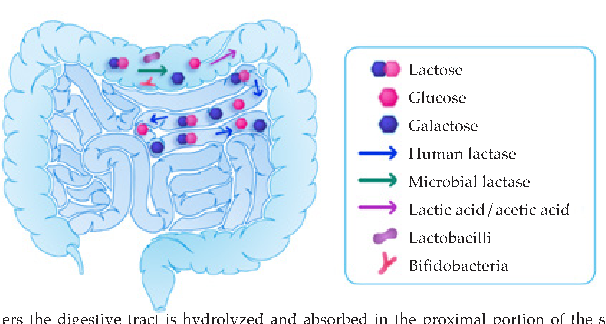
Diagnostic algorithm or classification scheme for lactose intolerance, distinguishing between primary (genetic), secondary (disease-related), and congenital forms of lactase deficiency.
Lactose intolerance: myths and facts. An update.